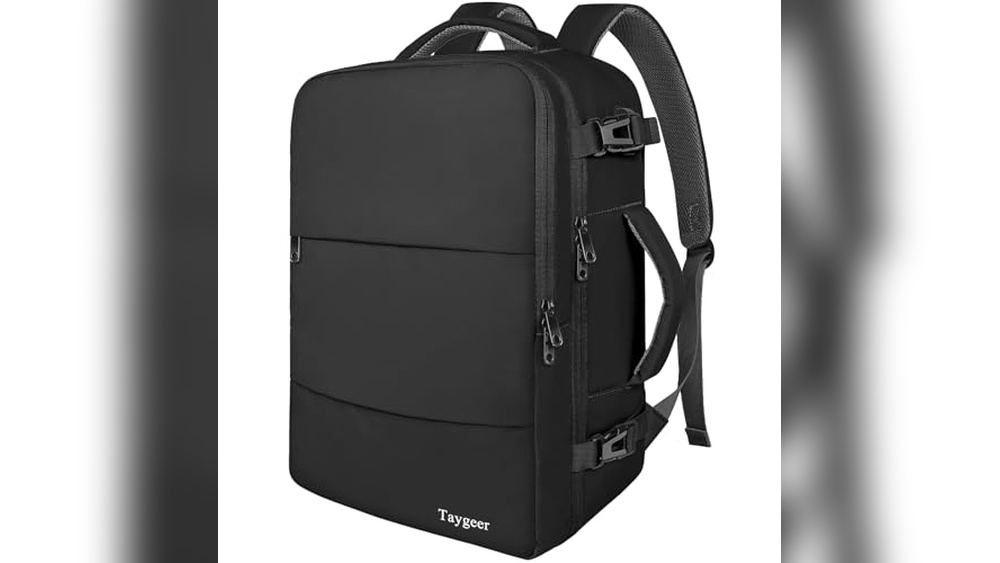
Getting the right fit for your backpacking pack can make or break your adventure. If your pack is too loose, it will bounce around and tire you out quickly.
Too tight, and it might dig into your shoulders or hips, causing pain and discomfort. You want your pack to feel like a natural part of your body, supporting you every step of the way. In this guide, you’ll learn simple, practical steps to adjust your pack perfectly for your body.
Keep reading to discover how to carry your gear with ease and enjoy every mile of your trip.
Choosing The Right Pack Size
Choosing the right pack size is key for a comfortable backpacking trip. A pack that fits well helps you carry your gear without strain. It also keeps your balance steady on rough trails. Getting the size right starts with knowing your body and your trip needs.
Measuring Your Torso Length
Torso length matters more than height for pack fit. To measure, find the bony bump at your neck base. Then, find the top of your hip bones. Measure the distance between these points. This number helps you pick a pack frame that matches your back.
Many packs come in small, medium, and large frames. Choose the one closest to your torso length. A correct fit stops the pack from riding too high or low. It also spreads weight evenly across your back and hips.
Selecting Volume Based On Trip Length
Pack volume means how much space you have inside. Short trips need less volume, long trips more. For a day hike, 20 to 30 liters works well. Weekend trips usually require 40 to 50 liters. For week-long or longer, 60 liters or more is best.
Think about your gear and food. Avoid packing too much or too little. A pack too big can be heavy and bulky. Too small means you might leave important items behind.
Considering Pack Features And Weight
Look for features that fit your style and trip type. Pockets, straps, and hydration options add convenience. Lightweight packs reduce strain, especially on long hikes. But very light packs might lack padding and support.
Balance weight with comfort. A well-padded hip belt and shoulder straps help. Check if the pack allows adjustment to fit your body well. This makes carrying your load easier and less tiring.
Adjusting Shoulder Straps
Adjusting the shoulder straps on your backpack is key for a comfortable fit. Proper adjustment spreads the pack’s weight evenly. It also prevents pain and strain during long hikes. Tighten or loosen the straps to find the best position. Check the fit often while walking. Small changes make a big difference.
Positioning For Even Weight Distribution
Start by loosening the shoulder straps completely. Put the backpack on and stand up straight. Pull the straps down evenly on both sides. The pack should sit close to your back. The bottom of the pack should rest above your hips. This position helps move weight to your hips. Your shoulders carry less load, reducing fatigue.
Avoiding Shoulder Pressure Points
Adjust the straps to remove tight spots on your shoulders. Straps that dig into skin cause pain and blisters. Use padding on the shoulder straps if needed. The straps should feel snug, not tight. Move your arms to check comfort and freedom. Adjust until the pressure feels spread out. This keeps your shoulders relaxed and pain-free.
Setting The Hip Belt
Setting the hip belt is a key step to fit your backpack correctly. It helps carry most of the pack’s weight on your hips. This reduces strain on your shoulders and back. A well-fitted hip belt improves comfort and balance on the trail.
Follow these simple steps to set your hip belt properly. Small adjustments make a big difference in how your pack feels.
Locating Your Hip Bones
Start by finding your hip bones. They are the bony parts at the front of your pelvis. You can feel them by placing your hands on your waist. Slide your hands down until you feel the hard bones.
The hip belt should wrap around these bones, not your waist. This position allows the belt to carry the load properly. It stops the pack from bouncing while you walk.
Tightening For Load Support
Once the belt sits on your hip bones, pull the straps tight. The belt should feel snug but not painful. Tighten until you feel the pack weight shift to your hips.
Test the fit by walking a few steps. Adjust the belt if it slides or feels loose. A good fit keeps the pack stable and reduces fatigue.
Balancing Load Inside The Pack
Balancing the load inside your backpack is key for comfort and safety on the trail. A well-balanced pack reduces strain on your back and helps maintain your posture. It also prevents the pack from shifting while you walk, which can cause fatigue or injury. Proper load distribution lets you carry more weight with less effort.
Packing Heavy Items Close To Your Back
Place heavy gear near your spine and high on your back. This keeps the weight centered and close to your body. Avoid putting heavy items at the bottom or far from your back. It makes the pack feel bulky and pulls you backward. Pack things like water, food, and stove close to your spine for better support.
Organizing For Stability
Keep the load tight and secure inside the pack. Fill gaps with smaller items to stop gear from moving. Use compression straps to hold everything firmly in place. A stable pack stays balanced and feels lighter. Arrange items so weight spreads evenly from side to side. This helps you stay steady on rough trails.
Fine-tuning Load Lifters And Sternum Strap
Fine-tuning the load lifters and sternum strap helps balance your backpack. These small adjustments reduce strain and improve comfort on the trail. Properly set load lifters shift weight closer to your body. The sternum strap stabilizes the pack and prevents shoulder slipping. Both parts work together to make your hike easier.
Using Load Lifters To Shift Weight
Load lifters connect the top of the shoulder straps to the pack. Tighten them to pull the load toward your back. This action reduces pressure on your shoulders. The pack feels more balanced and stable. Loosen the load lifters if you feel the pack pulling backward. Adjust slowly and test by walking a few steps. Proper tension keeps the pack close without discomfort.
Adjusting Sternum Strap For Comfort
The sternum strap runs across your chest, linking the shoulder straps. Clip it at a comfortable height near your chest bone. Tighten the strap just enough to hold the shoulder straps in place. Avoid over-tightening, which can restrict breathing. The sternum strap stops shoulder straps from sliding outward. Adjust the strap while walking to find the best fit. This small change improves posture and reduces shoulder pain.
Testing Fit On The Trail
Testing your backpacking pack on the trail is essential to find the perfect fit. This step shows how your pack moves with your body. It helps you spot any problems before you hike long distances. A good fit makes your journey easier and more comfortable. Try different adjustments while walking to get it right.
Walking And Adjusting For Movement
Start by walking on a flat path with your loaded pack. Feel how the weight sits on your hips and shoulders. Move your arms and bend your knees to mimic real hiking. Adjust the shoulder straps to keep the pack close to your body. Tighten the hip belt to transfer weight to your hips. Notice if the pack shifts or bounces with each step. Make small changes and walk again to test the difference.
Recognizing Signs Of Discomfort
Watch for any pain or pressure spots on your body. Soreness on your shoulders or back means the pack may be too tight or loose. Tingling or numbness can show poor strap placement. If the hip belt digs into your hips, loosen it slightly. Check for chafing or rubbing on your skin. Discomfort early on can cause big problems later. Adjust the fit until you feel support without pain.
Common Fit Mistakes To Avoid
Fitting a backpacking pack right is important for comfort and safety. Many hikers make common mistakes that cause pain or injury. Avoid these errors to enjoy your trip more.
Overtightening Straps
Many tighten straps too much, thinking it helps. This causes discomfort and restricts movement. Straps should be snug but not tight. Let your body breathe and move freely.
Overtightened straps can cause pressure points on shoulders and hips. Adjust straps gradually to find the best fit. Check comfort often during your hike.
Ignoring Pack Weight Distribution
Weight should be balanced to avoid strain. Heavy items belong close to your back and center. Poor weight distribution makes you lean forward or sideways.
Pack heavy gear near your spine and lighter gear around it. This keeps your center of gravity stable. A balanced pack reduces back pain and fatigue.
Frequently Asked Questions
How Do I Adjust The Hip Belt On A Backpack?
To adjust the hip belt, first position it over your hip bones. Tighten the belt snugly but comfortably to transfer weight from your shoulders to hips. This reduces strain and improves balance during backpacking.
What’s The Best Way To Measure Torso Length?
Measure your torso by marking from the base of your neck to the top of your hip bones. Use a flexible tape measure for accuracy. This measurement helps select the correct backpack size for optimal fit and comfort.
How Should Shoulder Straps Fit On A Backpack?
Shoulder straps should rest comfortably on your shoulders without digging in. Adjust them to keep the pack close to your body, preventing swaying. Proper fit reduces shoulder fatigue and improves load distribution.
Why Is Load Distribution Important In Fitting A Backpack?
Even load distribution prevents pressure points and improves comfort. Place heavier items close to your back and center. Proper packing and fitting reduce fatigue and enhance stability on uneven terrain.
Conclusion
Fitting your backpacking pack right makes hiking more comfortable. Adjust straps step by step for the best fit. Check the weight distribution to avoid back pain. Take time to test and tweak before long trips. A well-fitted pack helps you enjoy your adventure fully.
Keep practicing these tips on every hike you take. Your back will thank you with less strain and more fun. Simple steps can make a big difference outdoors.