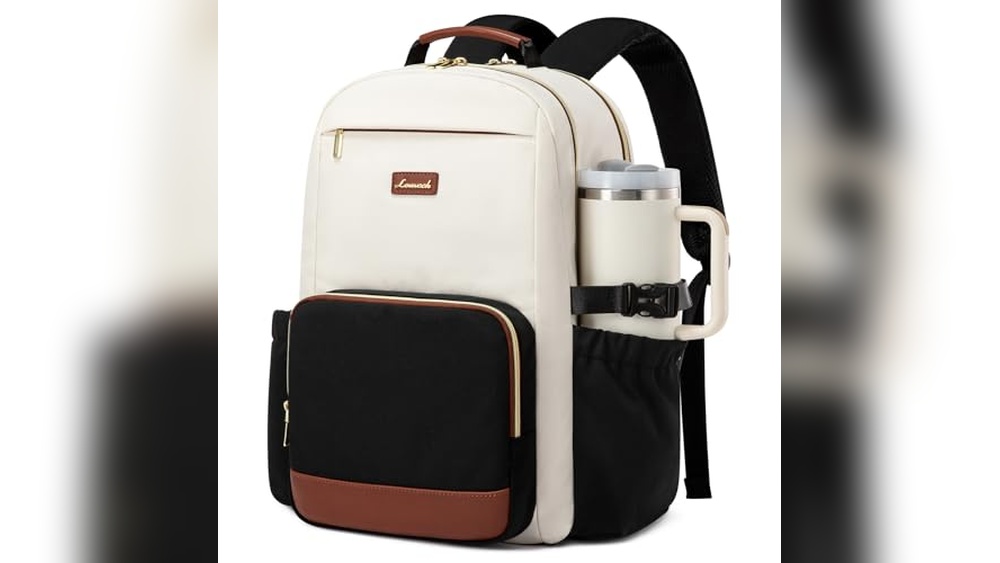
Have you ever wished you could carry a backpack made just for you? One that fits perfectly, holds everything you need, and shows off your style?
Building your own backpack might sound tricky, but it’s easier than you think. Imagine the pride you’ll feel knowing you created something useful and unique with your own hands. In this guide, you’ll discover simple steps and insider tips to make a backpack tailored to your needs.
Ready to start crafting something amazing? Let’s dive in and make your perfect backpack together.
Materials Selection
Choosing the right materials is the first step in building a strong backpack. Good materials ensure your backpack lasts long and carries weight safely. Focus on fabrics, thread, and hardware. Each part plays a key role in durability and function.
Fabrics For Strength
Pick fabrics that resist tears and water. Nylon and polyester are popular for backpacks. They are tough and lightweight. Cordura fabric is great for extra strength. Look for high denier ratings for better durability. Waterproof coatings help protect your gear from rain.
Choosing The Right Thread
Strong thread holds everything together. Use nylon or polyester thread for sewing. These threads resist stretching and breaking. Pick thick thread for heavy-duty stitching. Double stitching adds extra strength to stress points.
Hardware Essentials
Hardware includes zippers, buckles, and sliders. Choose metal or strong plastic for durability. YKK zippers are reliable and smooth. Buckles should snap tightly and hold well. Adjusters must move easily but stay fixed under load.
Tools You Need
Building a backpack requires the right tools for a smooth process. These tools help you cut, sew, and measure accurately. Good tools make your work easier and improve the final result. Below are the main tools you need to start your backpack project.
Sewing Machines
A strong sewing machine is essential. It helps stitch thick fabrics like canvas or nylon. Choose a machine that can handle heavy materials. A machine with multiple stitch options gives more flexibility. Hand sewing is slow and less durable for backpacks.
Cutting Tools
Sharp cutting tools make clean cuts on fabric. Use rotary cutters or heavy-duty scissors. Rotary cutters work well for straight lines and curves. Keep your blades sharp to avoid frayed edges. Cutting mats protect surfaces and keep blades sharp longer.
Measuring And Marking
Accurate measuring and marking ensure perfect pieces. Use a clear ruler or measuring tape for precision. Tailor’s chalk or fabric markers help mark cutting lines. Make marks visible but easy to remove after sewing. This step avoids mistakes and saves time.
Designing Your Backpack
Designing your backpack is the first step to creating a useful and comfortable bag. It sets the foundation for how well your backpack will work. Good design balances size, storage, and comfort. Every detail matters, from how much it holds to how it fits your body.
Start by thinking about what you will carry. Your design should match your needs. Planning carefully saves time and effort later. Let’s explore the key parts of backpack design.
Determining Size And Capacity
Decide how much space you need inside the backpack. Think about the items you carry daily. A small daypack needs less space than a hiking backpack. Use liters to measure capacity. Choose a size that fits your body and your gear. Avoid making the bag too big or too small. A right-sized backpack feels light and balanced.
Pocket And Compartment Layouts
Organize your backpack with pockets and compartments. Separate spaces keep items easy to find. Use small pockets for keys and phones. Bigger compartments hold clothes or books. Consider adding a padded laptop sleeve. Think about quick access pockets for snacks or maps. Well-planned layouts improve your packing and unpacking experience.
Strap And Support Systems
Choose straps that fit your body and carry weight well. Padded shoulder straps reduce pressure on your shoulders. A chest strap helps stabilize the backpack. A waist belt moves weight from shoulders to hips. Adjustable straps let you customize the fit. Strong support systems keep you comfortable on long walks.
Cutting And Preparing Fabric
Cutting and preparing fabric is a key step in building a backpack. It sets the stage for perfect assembly and durability. Taking time to handle fabric carefully helps avoid mistakes later. Follow clear steps to create neat, accurate pieces.
Creating Patterns
Start by making patterns for each part of the backpack. Use paper or cardboard to draw shapes like the body, pockets, and straps. Patterns help keep fabric pieces the right size and shape. Check measurements twice to ensure accuracy. Patterns also save fabric and reduce waste.
Marking Fabric
Place patterns on the fabric before cutting. Use a fabric chalk or pencil to trace outlines. Mark important points like seam allowances and fold lines. Clear marks guide your cutting and sewing later. Keep marks light to avoid permanent stains on fabric.
Cutting Techniques
Use sharp scissors or a rotary cutter for clean edges. Cut slowly along the marked lines to stay accurate. Cut one layer at a time for control, unless the fabric is thin. Avoid lifting fabric too much to prevent distortion. Smooth cuts lead to easier sewing and stronger seams.
Sewing The Main Body
Sewing the main body is a key step in building a backpack. It joins all the fabric pieces into a strong, wearable shape. This part needs care and accuracy. Proper sewing ensures the backpack holds its form and carries weight well.
Follow clear steps to make the main body sturdy. Use the right stitches and techniques. This helps the backpack last longer and look neat.
Stitching Panels Together
Start by aligning the fabric panels carefully. Pin the edges to keep them in place. Use a straight stitch to join the panels. Sew slowly and evenly to avoid puckering. Keep seams consistent and tight. This forms the basic shape of the backpack.
Reinforcing Stress Points
Stress points face the most pressure while carrying weight. Areas like corners and strap attachments need extra strength. Sew double stitches or use a zigzag stitch here. Add small patches of fabric for more support. This prevents tearing and extends the backpack’s life.
Adding Linings
Linings protect the inside of the backpack. They give a smooth finish and hide raw seams. Cut lining fabric to match the main body panels. Sew the lining inside carefully. Attach it so it stays flat without bunching. Linings also help keep the bag clean and neat.
Attaching Straps And Hardware
Attaching straps and hardware is a key step in building a backpack. It shapes how the bag fits and holds weight. Strong and adjustable straps make carrying easier. Proper hardware ensures the backpack stays secure and lasts long.
Follow simple steps to add straps and hardware. Focus on making straps adjustable, installing buckles, and securing attachment points. Each part adds to the backpack’s comfort and strength.
Creating Adjustable Straps
Cut straps from durable material like nylon webbing. Measure length to fit different body sizes. Sew one end of the strap firmly to the backpack. Use a slider buckle to make the strap adjustable. Thread the strap through the slider. Pull the strap to tighten or loosen as needed. Test the strap to ensure it moves smoothly. Adjustable straps help users carry the backpack comfortably.
Installing Buckles And Clips
Choose buckles and clips made from strong plastic or metal. Position buckles where quick release is needed, like on chest or waist straps. Sew webbing loops to hold buckles in place. Attach clips by threading webbing through their slots. Use a box stitch to secure the webbing. Test buckles and clips to check they open and close easily. Well-installed buckles add convenience and safety.
Securing Attachment Points
Attach straps to the backpack body at strong points. Use reinforced stitching such as bar tacks or box stitches. Sew multiple times over stress areas to prevent tearing. Add extra fabric patches for more strength if needed. Check all points by pulling on straps firmly. Secure attachment points keep the backpack durable and safe. This step ensures the bag handles heavy loads without damage.
Finishing Touches
Finishing touches are key to making your backpack durable and comfortable. This step protects your work and adds comfort for daily use. Small details here can improve the backpack’s function and look.
Waterproofing Options
Protect your backpack from rain and spills. Use waterproof sprays or wax to coat the fabric. These create a barrier that keeps water out. Another option is sewing a waterproof liner inside. Choose the method that fits your materials and needs.
Adding Padding
Padding makes carrying heavy loads easier. Add foam or soft fabric to shoulder straps and the back panel. This reduces pressure on your shoulders and back. Cut the padding to size and sew it securely. Comfortable padding helps prevent soreness during long trips.
Final Quality Checks
Inspect every seam and zipper carefully. Look for loose threads or weak stitches. Test all pockets and straps for strength. Ensure zippers open and close smoothly. Fix any issues before your backpack sees real use. A strong final check avoids problems later.
Care And Maintenance
Taking care of your backpack keeps it strong and lasting longer. Simple steps for care and maintenance protect your investment. Clean it regularly to avoid dirt buildup. Fix small damages quickly to prevent bigger problems. Proper storage helps keep its shape and materials healthy.
Cleaning Tips
Use a soft brush to remove loose dirt. Spot clean stains with mild soap and water. Avoid harsh chemicals that can damage fabric. Rinse well and let it air dry away from sunlight. Empty all pockets before cleaning. Clean straps and zippers gently for smooth use.
Repairing Wear And Tear
Check seams and stitching often for loose threads. Use a needle and strong thread to sew small tears. Replace broken zippers or buckles as soon as possible. Patch holes with fabric glue or patches made for backpacks. Keep repair tools handy for quick fixes.
Storage Recommendations
Store your backpack in a cool, dry place. Avoid direct sunlight to prevent fading and weakening. Keep it empty and upright to hold its shape. Use breathable bags or covers to protect from dust. Do not store wet or damp backpacks to avoid mold.
Frequently Asked Questions
What Materials Are Best For Building A Durable Backpack?
Durable backpacks often use nylon, polyester, or canvas. These materials resist wear and water. Reinforced stitching boosts strength. Choose materials based on your backpack’s intended use and weather conditions.
How Do I Design A Comfortable Backpack Frame?
Comfortable frames use lightweight aluminum or plastic. They evenly distribute weight across shoulders and hips. Add padded straps and a breathable back panel. This reduces strain and improves airflow during wear.
What Tools Are Essential For Backpack Construction?
Essential tools include sewing machines, scissors, measuring tape, and strong needles. Fabric glue and rivets help secure parts. Use a cutting mat for precision. Proper tools ensure clean, sturdy results and save time.
How Can I Add Waterproof Features To My Backpack?
Use waterproof fabrics like coated nylon or add a rain cover. Seal seams with waterproof tape. Apply waterproof sprays to enhance resistance. These methods protect your belongings from rain and moisture.
Conclusion
Building a backpack can be simple and fun. Start with the right materials and tools. Follow each step carefully for best results. Take your time to sew and assemble parts. Personalize your backpack to fit your needs. This project helps you learn new skills and save money.
Enjoy carrying a bag made by your own hands. Try different designs to find what suits you. Keep practicing, and your backpacks will get better. Making your own backpack brings pride and joy.