Imagine waking up every day in a new place, meeting people from all over the globe, and discovering hidden gems that few travelers know about. Backpacking around the world is not just a trip—it’s a chance to change how you see life.
You might think it’s complicated or expensive, but with the right tips, you can make it happen smoothly. Ready to turn your dream into reality? Keep reading, because this guide will show you exactly how to plan, pack, and explore the world on your own terms.
Your adventure starts here.
Choosing Your Destinations
Choosing your destinations is one of the most exciting parts of backpacking around the world. Your choice shapes your experiences, budget, and memories. Consider what you want to see and do. Think about safety, costs, and local culture. Planning well helps you enjoy every moment and avoid surprises.
Top Backpacking Countries
Some countries are perfect for backpackers. Thailand offers beautiful beaches and cheap food. Peru has amazing mountains and ancient ruins. Vietnam is full of vibrant cities and friendly people. Spain mixes history and lively festivals. New Zealand provides stunning nature and adventure sports. These countries are popular for good reasons.
Seasonal Travel Tips
Travel seasons affect your experience a lot. Avoid rainy seasons to enjoy outdoor activities. Many places are crowded in summer. Spring and fall offer mild weather and fewer tourists. Check local holidays and festivals for unique events. Plan your trip to match the best season for each place.
Balancing Popular And Offbeat Spots
Popular spots have great attractions but can be busy. Offbeat places give peace and a chance to explore local life. Mix both types for a rich experience. Visit famous landmarks and hidden gems. This balance keeps your trip exciting and fresh.
Planning Your Route
Planning your route is the first step to a successful backpacking trip. It helps you see the big picture. You decide where to go and how long to stay at each place. A good plan saves money and time. It also makes your journey less stressful.
Think about the countries and cities you want to visit. Check the weather and local events. These details help you pick the best time to travel. Keep your plan clear but simple.
Mapping Efficient Itineraries
Start by listing all the places you want to see. Then, use a map to connect them. Look for routes that keep travel time short. Avoid backtracking or long detours. Efficient routes save money on transport and give more time for exploring.
Group nearby destinations together. This way, you can explore one area fully before moving on. Use public transport options to cut costs. Plan rest days to avoid burnout during long trips.
Flexible Vs Fixed Plans
Decide how strict your plan should be. Fixed plans have set dates and bookings. They offer security but less freedom. Flexible plans allow changes along the way. They let you stay longer in places you like or leave early if needed.
Balance is key. Have a rough schedule but stay open to new opportunities. This way, you enjoy your trip without stress. Always keep some extra time for surprises or delays.
Using Travel Apps And Tools
Use apps to simplify your planning. Maps, booking sites, and currency converters are useful. Some apps help track your budget and itinerary. They send alerts for flights, buses, or accommodation.
Download offline maps for places with poor internet. Use travel forums and review apps to find safe spots. Keep your phone charged and backed up. Technology can make your trip easier and safer.
Packing Essentials
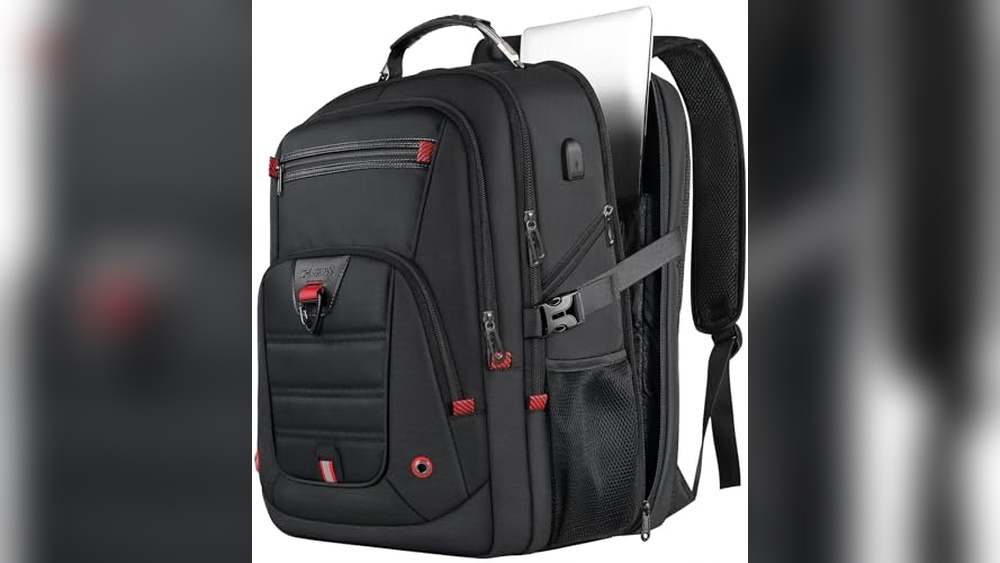
Packing right is key to a smooth backpacking trip around the world. Carrying too much can slow you down. Too little can leave you unprepared. Focus on essentials that save space and weight. Choose items that serve many purposes. This way, your backpack stays light and manageable.
Lightweight Gear Choices
Pick gear that weighs less but works well. Lightweight tents, sleeping bags, and cooking tools matter a lot. Use compact items that fit easily in your bag. Avoid bulky or heavy gear that adds strain. Quality materials can be light and strong. This keeps your load easy to carry daily.
Clothing For Different Climates
Pack clothes for warm and cold weather. Layering helps adjust to changing temperatures fast. Choose quick-dry fabrics that stay fresh longer. Bring a waterproof jacket for rain protection. A hat and gloves keep you warm in cold places. Keep clothing simple and versatile to save space.
Tech And Safety Equipment
Bring essential tech like a power bank and travel adapter. A reliable flashlight or headlamp is useful at night. Carry a small first aid kit for injuries or sickness. A whistle can help in emergencies. Keep your documents safe with a waterproof pouch. These items protect and assist you on the road.
Budgeting Tips
Traveling around the world with a backpack needs smart budgeting. You must plan your money well. This helps you avoid running out of cash and enjoy your trip more. Careful budgeting lets you travel longer and see more places.
Estimating Daily Expenses
Start by figuring out daily costs. Think about food, transport, and small activities. Check online for average prices in each country. Write down a daily budget for each place. Add a little extra for emergencies. This plan keeps your spending under control.
Saving On Accommodation And Food
Choose budget places to stay like hostels or guesthouses. Use apps to find cheap rooms or shared dorms. Cook your meals sometimes to save money. Buy food at local markets instead of restaurants. Eat street food for tasty and cheap options. These choices cut costs without losing fun.
Managing Money Abroad
Carry a mix of cash and cards for safety. Use cards with low fees for international payments. Keep some cash in different places in your bag. Avoid using airport exchange booths; rates are often poor. Track your spending daily to stay within budget. This helps you avoid extra charges and stay safe.
Staying Safe On The Road
Traveling the world on a backpack offers freedom and adventure. Staying safe on the road is very important. Safety lets you enjoy each place without worry. Simple steps help protect your health and belongings. Being aware makes your journey smoother and more fun.
Health Precautions
Keep your vaccines up to date before travel. Carry a basic first aid kit with medicines. Drink bottled water to avoid stomach problems. Wash hands often to stop germs from spreading. Eat cooked food from clean places only. Rest well to keep your energy strong for travel.
Handling Emergencies
Know emergency numbers for each country you visit. Carry a copy of your passport and important documents. Share your travel plan with someone back home. Stay calm if trouble comes your way. Seek help from local police or embassy if needed. Have travel insurance to cover health and accidents.
Avoiding Common Scams
Keep an eye on your belongings in crowded places. Be careful with strangers offering too-good deals. Use official transport services, not unmarked taxis. Check prices before buying or using services. Say no politely but firmly if you feel unsafe. Trust your instincts to avoid risky situations.
Finding Accommodation
Finding a place to stay is key when backpacking around the world. It affects your comfort, safety, and budget. Choosing the right accommodation helps you meet other travelers and experience local culture. Options vary from budget hostels to unique stays like homestays or camping.
Hostels And Guesthouses
Hostels offer affordable beds and social spaces. Many have shared rooms and kitchens. This keeps costs low and helps meet fellow travelers. Guesthouses are smaller and more private. They often provide local meals and a cozy feel. Both options suit backpackers on a budget.
Couchsurfing And Homestays
Couchsurfing connects travelers with locals offering free stays. This creates chances to learn about the area from a local view. Homestays involve living with a family during your trip. It gives insight into daily life and customs. Both choices build strong cultural ties and save money.
Camping And Alternative Options
Camping is great for nature lovers and saves money. Many countries have campsites in scenic spots. Bring a good tent and gear for comfort. Alternative options include house-sitting and farm stays. They offer unique experiences and often free lodging. These choices add adventure to your journey.
Transportation Options
Choosing the right transportation is key to a smooth backpacking trip. Moving from place to place can be quick or slow, cheap or costly. You will find many ways to travel. Some are fast flights, others are slow buses or trains. Each option fits different budgets and styles. Picking smart ways saves money and time.
Budget Flights And Trains
Budget airlines offer low-cost tickets across many countries. Booking early helps get the best deals. Watch for extra fees like bags or seats. Trains give a chance to see the countryside. Many countries have affordable rail passes for travelers. Trains are comfy and often reach city centers. Both options are faster for long distances.
Buses And Local Transport
Buses are the cheapest way to travel between towns. They run often in most countries. Local buses, trams, or metros help explore cities. These options are very affordable and easy to find. Buses can take longer but offer a real travel feel. Plan routes ahead to avoid confusion and delays.
Hitchhiking And Ride Sharing
Hitchhiking is free and adventurous. It depends on luck and timing. Always stay safe and trust your instincts. Ride sharing apps connect travelers to drivers going the same way. This method costs less than taxis and feels friendly. Use ride sharing in safe areas and check reviews.
Meeting Fellow Travelers
Meeting fellow travelers is one of the best parts of backpacking around the world. These connections bring new stories, advice, and friendships. Sharing experiences makes the journey richer and more fun. Travelers often help each other with tips and support. Finding like-minded people can make you feel less alone in a new place.
Social Media Groups
Social media groups connect backpackers before and during trips. Join Facebook or WhatsApp groups for your destinations. People share travel plans, meet-up spots, and advice. These groups help you find travel buddies easily. You can ask questions and get real-time answers. It’s a great way to feel part of a community.
Backpacker Events
Backpacker events gather travelers in hostels, bars, or parks. Look for local meet-ups or travel talks. These events offer chances to meet many travelers fast. Join tours or group activities to meet others naturally. Shared activities create quick bonds and fun memories. Events also show you popular local spots.
Volunteering And Work Exchanges
Volunteering and work exchanges bring together travelers with common goals. Work in farms, hostels, or community projects. Sharing tasks and living spaces builds strong friendships. This experience helps learn local culture deeply. Many travelers return home with lifelong friends from such stays.
Cultural Etiquette
Understanding cultural etiquette is key to enjoying your backpacking trip. It helps you connect with locals and shows respect. Knowing local manners prevents misunderstandings and keeps you safe. Every country has unique customs. Learning these customs makes your travel richer and more rewarding.
Respecting Local Customs
Always observe how locals behave in public. Dress modestly if the culture expects it. Avoid loud talking or gestures that seem rude. Follow rules about photography. Some places do not allow photos of people or buildings. A simple smile goes a long way in showing respect.
Language Tips
Learn a few basic phrases in the local language. Words like “hello,” “thank you,” and “please” show politeness. Speak slowly and clearly. Use simple words to avoid confusion. Carry a small phrasebook or translation app for help. Locals appreciate your effort to communicate.
Responsible Tourism
Travel with respect for nature and communities. Avoid littering and damaging sites. Support local businesses by buying crafts and food. Be mindful of your energy and water use. Do not disturb wildlife or sacred places. Your actions can protect the places you visit.
Documenting Your Journey
Documenting your journey is a great way to keep memories alive. It helps you remember small details and emotions from your travels. Writing and sharing your experiences also inspires others to explore the world. Capturing moments through words and pictures creates a personal story you can look back on anytime.
Travel Journals And Blogs
Writing a travel journal lets you record daily adventures and thoughts. Use a notebook or a digital app to write short notes. Focus on places, people, and feelings. Blogging reaches a wider audience and connects you with other travelers. Keep posts simple and honest. Share tips and stories that others can use.
Photography Tips
Photos bring your journey to life. Use natural light for better pictures. Capture candid moments, not just famous spots. Try different angles and perspectives. Keep your camera or phone ready at all times. Edit photos lightly to keep them natural. Store images safely with backups.
Sharing Stories Online
Sharing stories online helps you connect with friends and followers. Use social media platforms or travel forums. Post regularly but avoid overloading your audience. Write clear captions to explain your photos. Be respectful of local cultures and privacy. Encourage comments and engage with your readers.
Frequently Asked Questions
What Essentials Should I Pack For Backpacking Worldwide?
Pack lightweight clothes, a durable backpack, travel documents, a first aid kit, and versatile footwear. Include a reusable water bottle and portable charger. Prioritize compact and multi-use items to save space and stay prepared for different climates and activities during your journey.
How Can I Budget Effectively For A World Backpacking Trip?
Create a daily spending limit based on destination costs. Save in advance and track expenses carefully. Use budget accommodations, cook meals, and travel during off-peak seasons to reduce costs. Always have an emergency fund for unexpected expenses.
Which Countries Are Best For First-time Backpackers?
Start with countries known for safety, affordability, and backpacker-friendly infrastructure. Popular options include Thailand, Portugal, New Zealand, and Costa Rica. These destinations offer vibrant cultures, reliable transport, and welcoming communities, making them ideal for beginners.
How Do I Stay Safe While Backpacking Globally?
Research destinations thoroughly and stay alert in unfamiliar areas. Keep valuables secure and avoid risky locations at night. Share your itinerary with friends or family and use local advice for safe travel. Trust your instincts and carry a basic first aid kit.
Conclusion
Backpacking around the world offers endless adventure and new experiences. Plan well, pack light, and stay open to change. Meet people, explore cultures, and enjoy every moment. Challenges will come, but they make the journey special. Travel safely and respect local customs always.
Keep your budget smart and your spirit strong. This trip can teach you more than books ever will. Ready to start? The world is waiting for you.