Have you ever struggled to fit everything you need inside your backpack? Maybe you wished you could carry more gear without making your bag heavy or uncomfortable.
What if you could easily attach extra items to your backpack, keeping them secure and within reach? You’ll discover simple, smart ways to add more space to your pack without the hassle. Whether you’re hiking, commuting, or just on the go, these tips will help you carry what matters most—comfortably and safely.
Keep reading to learn how to make your backpack work harder for you.
Choosing The Right Backpack
Choosing the right backpack is key to attaching things safely and easily. The right backpack fits your needs and holds your gear well. Some backpacks have special features that make attaching items simple. Others are made from strong materials that last long and protect your stuff.
Backpack Features For Attachment
Look for backpacks with loops, straps, and MOLLE webbing. These features help attach water bottles, carabiners, or sleeping bags. Adjustable straps keep items tight and secure. External pockets also add space for quick access. Think about what you want to carry outside the pack.
Material And Durability
Choose backpacks made from tough, tear-resistant fabric. Nylon and polyester are popular for their strength and water resistance. Reinforced stitching adds durability to stress points. Durable zippers and buckles prevent breakage during use. A strong backpack protects both your gear and your investment.
Essential Attachment Tools
Attaching things to your backpack makes your trips easier and keeps your hands free. Essential tools help you secure items safely and quickly. Choose the right tool for your needs. Here are some popular and useful options.
Carabiners And Clips
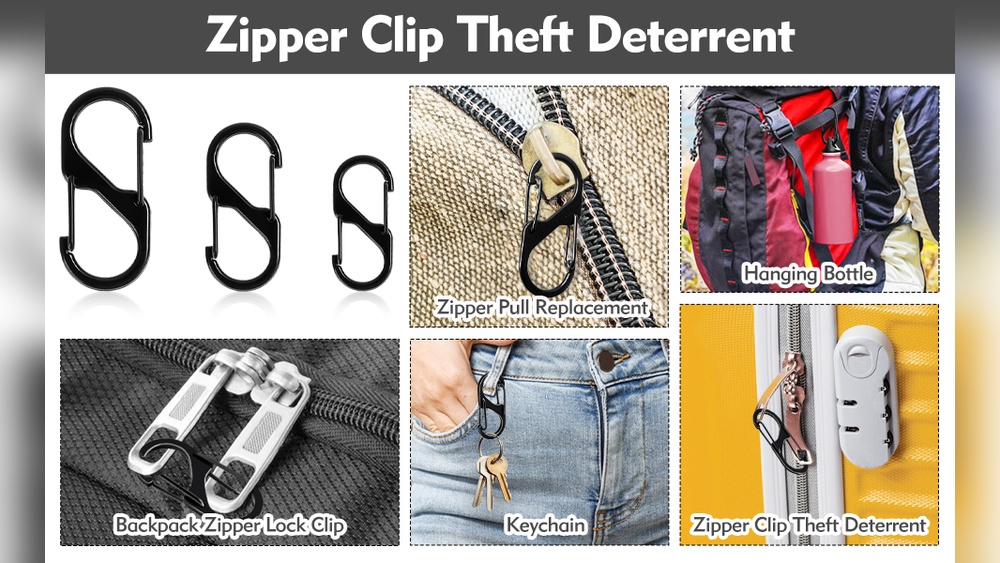
Carabiners are small metal loops with spring-loaded gates. They attach gear like water bottles or keys. Clips work similarly and come in many shapes. Both are lightweight and easy to use. They hold items firmly but open quickly when needed.
Straps And Bungee Cords
Straps wrap around bulky items like sleeping bags or jackets. You can tighten them for a secure hold. Bungee cords stretch and snap back into place. They work well for odd-shaped gear. Both tools keep your items stable during movement.
Molle Systems
MOLLE stands for Modular Lightweight Load-carrying Equipment. It uses webbing loops sewn onto backpacks. You can attach pouches or tools directly to these loops. This system offers strong, customizable storage. Ideal for hikers and military users alike.
Attaching Gear Safely
Attaching gear safely to your backpack keeps you comfortable and your items secure. Proper attachment helps avoid damage and balance problems. It also protects your gear from weather and sharp edges. Follow these simple tips to keep your backpack load safe and steady.
Balancing Weight
Place heavy items close to your back. This keeps your center of gravity stable. Even weight distribution prevents strain on your shoulders and back. Avoid hanging heavy gear on one side. Check your load before walking to stay balanced.
Securing Sharp Objects
Wrap sharp tools in cloth or use protective covers. Attach knives or axes away from your body. Use straps or clips to hold them tight. Loose sharp items can cause injury or damage your pack. Always double-check they are fastened well.
Waterproofing Tips
Use waterproof bags or dry sacks for sensitive gear. Cover exposed items with rain covers or plastic wrap. Keep electronics and clothes dry by sealing them properly. Check for holes or tears in your waterproof gear. This keeps your items safe in wet weather.
Packing Tips For Different Items
Packing your backpack properly saves space and keeps gear safe. Different items need different ways to attach. Knowing the right method helps balance weight and keep items handy. This section explains how to attach common gear to your backpack.
Attaching Sleeping Bags And Mats
Sleeping bags and mats are bulky but light. Use straps or loops on the bottom or sides of your backpack. Roll mats tightly to save space. Fasten sleeping bags with compression straps to keep them secure. Avoid stuffing these items inside if they take too much room. Keeping them outside frees up space for heavier gear.
Securing Water Bottles And Hydration Packs
Water is essential and needs quick access. Use side pockets for water bottles. Choose bottles that fit snugly to avoid falling out. Hydration packs fit inside backpacks and have a tube for easy drinking. Clip the tube to shoulder straps for convenience. Make sure bottles and packs are secure to prevent leaks or loss.
Fastening Tools And Accessories
Tools like knives, flashlights, and multi-tools should be easy to reach. Use small loops or attachment points on the backpack. Fasten them with carabiners or straps. Keep sharp tools in protective cases. Secure accessories so they do not swing or get lost while walking. Organize tools by frequency of use for quick access.
Troubleshooting Attachment Issues
Attaching items to your backpack might seem simple, but problems can happen. Straps can loosen, items may get damaged, or the load might feel uncomfortable. Solving these issues helps keep your gear safe and your trip smooth.
Fixing Loose Straps
Loose straps can make your load unstable. Tighten them by pulling the strap ends firmly. Check buckles and clips for damage and replace if needed. Use extra cord or straps to secure loose items.
Preventing Item Damage
Protect fragile items by wrapping them in cloth or bubble wrap. Avoid sharp edges pressing against the backpack. Use padded pockets or cases inside the backpack. Attach items so they do not bump or rub during movement.
Adjusting For Comfort
Balance weight evenly on both sides of the backpack. Adjust straps so the backpack sits close to your back. Use chest or waist straps to stabilize the load. Change attachment points if items cause discomfort or strain.
Maintenance For Backpack Attachments
Maintaining your backpack attachments keeps them strong and safe. Proper care helps avoid damage and extends their life. Regular checks ensure your gear stays reliable on every trip.
Cleaning Attachment Points
Keep attachment points clean to avoid dirt buildup. Use a soft brush or cloth to remove dust and mud. Clean areas dry before storing or using the backpack again. This prevents rust and keeps clips working smoothly.
Inspecting For Wear And Tear
Check straps, buckles, and loops for signs of damage. Look for frayed edges, cracks, or weak spots. Replace worn parts to avoid failures during use. Early fixes save money and keep your gear safe.
Frequently Asked Questions
How Do I Securely Attach Items To My Backpack?
Use sturdy straps, carabiners, or bungee cords to fasten items. Ensure attachments don’t impede movement or balance. Choose attachment points like loops or daisy chains for stability and safety during travel or hiking.
What Are The Best Tools For Attaching Gear To Backpacks?
Carabiners, compression straps, and MOLLE webbing are ideal. These tools offer secure, adjustable attachment options. They keep gear accessible and prevent loss while distributing weight evenly to maintain comfort.
Can I Attach Heavy Items To My Backpack?
Avoid attaching very heavy items externally to prevent imbalance. Place heavy gear inside the main compartment near your back. Use external attachments only for lightweight or medium-weight items to maintain stability.
How To Attach Wet Or Dirty Items To A Backpack?
Use waterproof stuff sacks or dry bags to contain wet or dirty gear. Attach these bags externally using straps or clips. This keeps your backpack clean and protects other contents from moisture or dirt.
Conclusion
Attaching items to your backpack helps keep things handy and saves space. Use straps, clips, or carabiners for easy attachment. Make sure items are secure to avoid losing them. Choose spots that don’t disturb your balance or comfort. Keep heavy things close to your back for better support.
Regularly check attachments during your trip to stay safe. Simple steps can make your outdoor experience smoother. Try these tips next time you pack your backpack. Enjoy your adventure with ease and confidence.