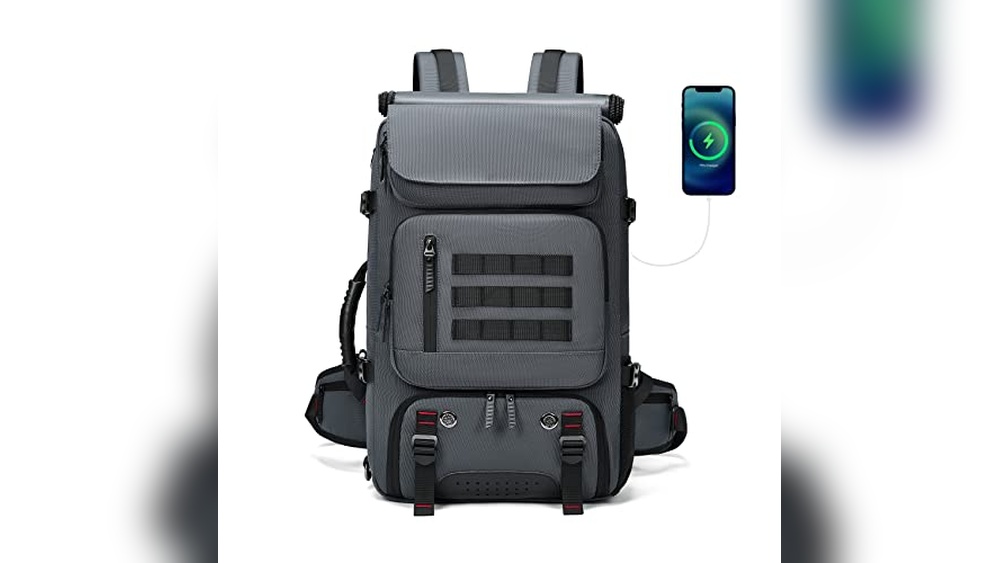
You’ve got your helmet, your backpack, and your next adventure ready to go. But how do you carry your helmet without it getting in the way or damaged?
Knowing how to attach your helmet to your backpack the right way can save you hassle and keep your gear safe. In this post, you’ll discover simple, smart methods to secure your helmet so it stays put and ready for action.
Keep reading to learn easy tricks that make your trips smoother and stress-free.
Choosing The Right Helmet Attachment
Choosing the right helmet attachment is key to carrying your helmet safely and comfortably. The right attachment keeps your helmet secure and easy to access. It also protects your helmet from damage during travel. Not all attachments fit all backpacks or helmets. Picking the right type, material, and compatibility helps you carry your helmet with ease.
Types Of Helmet Attachments
Helmet attachments come in many styles. Common types include clips, straps, and nets. Clips snap your helmet to backpack loops or straps. Straps wrap around the helmet and backpack for a tight hold. Nets stretch over the helmet and secure it in place. Each type works better for different activities and helmet shapes.
Materials And Durability
Helmet attachments use materials like nylon, plastic, and metal. Nylon straps are strong and flexible. Plastic clips are lightweight but may break under stress. Metal clips provide extra strength but add weight. Durable materials last longer and protect your helmet better. Choose materials that suit your travel needs and weather conditions.
Compatibility With Backpack Designs
Not all attachments fit all backpacks. Some backpacks have loops or daisy chains for easy clipping. Others have smooth surfaces without attachment points. Check your backpack design before choosing an attachment. Some straps adjust to different backpack shapes. Ensure the attachment holds your helmet firmly without slipping or damaging the bag.
Using Straps And Clips
Attaching a helmet to a backpack using straps and clips is a smart way to carry it hands-free. This method keeps the helmet secure and easy to reach. Different tools like adjustable straps, carabiners, and bungee cords help make this task simple and effective.
Adjustable Straps Techniques
Adjustable straps are common on many backpacks. Use these straps to hold your helmet firmly. First, place the helmet against the backpack. Then, tighten the straps around it. Make sure the helmet does not move. Adjust straps for a snug fit to avoid slipping. Using quick-release buckles speeds up the process.
Using Carabiners And Clips
Carabiners and clips offer a quick way to attach your helmet. Clip the helmet’s ventilation holes or straps using a carabiner. Attach the carabiner to the backpack’s loop or strap. This method is fast and keeps the helmet stable. Choose lightweight carabiners to keep the load light. Ensure clips lock securely to prevent accidental drops.
Securing Helmet With Bungee Cords
Bungee cords stretch to fit snugly around your helmet and backpack. Wrap the cord around the helmet and hook it onto the backpack loops. The elastic tension holds the helmet in place. Bungee cords are flexible and fit different helmet sizes easily. Check that the cord is tight but not too tight to damage the helmet.
Helmet Attachment With Backpack Loops
Attaching your helmet to a backpack using the loops is a simple and effective method. Most backpacks have loops designed to hold gear securely. This method keeps your helmet accessible and saves space inside your bag.
Locating Attachment Points
Find the loops on the outside of your backpack. These loops are often made of strong fabric or webbing. Common places include the front panel or side straps. Choose loops that are close together for better support.
Threading The Helmet Through Loops
Hold your helmet by the straps or vents. Thread the loops through the helmet’s straps or vents carefully. Make sure the helmet sits flat against the backpack. Avoid forcing the helmet, as this can damage the loops or helmet.
Preventing Helmet Movement
Secure the helmet by tightening any adjustable straps on the backpack. Use extra cords or bungee cords if needed for a snug fit. Check the helmet’s position often to prevent shifting. A stable helmet reduces noise and protects your gear during travel.
Utilizing Helmet Holders And Pouches
Attaching your helmet to your backpack is easy with the right holders and pouches. These accessories keep your helmet secure and free your hands. They also protect your helmet from scratches and dirt during travel. Using helmet holders or pouches is a smart way to carry your gear safely.
Built-in Helmet Holders
Many backpacks come with built-in helmet holders. These holders often use clips, straps, or mesh pockets. They are made to fit helmets snugly and keep them steady. Built-in holders save space and make carrying simple. Check your backpack for these features before buying extra holders.
Aftermarket Helmet Pouches
Aftermarket pouches are separate gear made for helmets. They usually have padded walls to protect the helmet. These pouches attach to your backpack with straps or hooks. They also keep your helmet clean from dirt and rain. You can find different sizes to fit your helmet type.
Diy Helmet Holder Options
DIY holders work well if you want a cheap option. You can use bungee cords, carabiners, or Velcro straps. These items help you attach the helmet securely to your backpack. Make sure the helmet does not move too much. Try different setups to find what works best for you.
Safety Tips For Helmet Attachment
Attaching a helmet to your backpack requires more than just clipping it on. Safety plays a big role in protecting your gear and yourself. Following simple tips helps keep your helmet and backpack in good shape. It also ensures your helmet stays secure during travel. Quick access to your helmet is important in case of emergencies. Below are key safety tips for helmet attachment to keep in mind.
Avoiding Damage To Helmet And Backpack
Use soft straps or padded clips to prevent scratches. Avoid sharp edges or tight knots that can crack the helmet. Place the helmet where it won’t rub against rough surfaces. Check the backpack for weak spots before attaching the helmet. A well-placed helmet reduces wear and tear on both items.
Ensuring Stability During Movement
Secure the helmet firmly to stop it from swinging. Loose helmets can hit your back or fall off. Use adjustable straps that hold the helmet close to the bag. Test the setup by walking or running a short distance. A stable helmet attachment improves comfort and safety while moving.
Quick Release For Emergency Situations
Choose clips or straps that open easily without tools. A quick release helps grab your helmet fast if needed. Avoid complicated knots or locks that waste time. Practice detaching the helmet before you start your trip. Being able to remove the helmet quickly can be crucial in emergencies.
Maintenance And Care
Taking care of your helmet attachment on your backpack keeps it safe and lasts longer.
Regular maintenance helps avoid damage and keeps straps working well.
Cleaning Attachment Straps And Clips
Straps and clips collect dirt and sweat from use. Clean them gently with warm water and mild soap. Use a soft brush to remove stuck dirt. Rinse well and let dry completely before use. Avoid harsh chemicals that can weaken materials.
Inspecting For Wear And Tear
Check straps and clips often for signs of damage. Look for frayed edges, cracks, or broken parts. Test clips to see if they hold tight. Replace any parts that seem weak or broken. Regular checks prevent accidents and keep your helmet secure.
Replacing Worn Components
Replace old or damaged straps and clips quickly. Use parts made for your backpack or helmet model. Follow instructions to install new parts correctly. Proper replacement keeps your setup safe and reliable for every trip.
Frequently Asked Questions
How Do I Secure A Helmet To My Backpack?
Use adjustable straps or bungee cords to fasten the helmet. Attach it firmly to prevent movement during travel. Ensure the helmet is stable and won’t fall off while walking.
Can I Attach Any Helmet To Any Backpack?
Most helmets fit standard backpacks with straps or loops. Check your backpack’s features and helmet shape for compatibility. Specialized backpacks may offer dedicated helmet holders for better security.
What Is The Safest Way To Carry A Helmet On A Backpack?
Place the helmet on top or side using strong clips or straps. Avoid loose attachments that can cause damage or loss. Ensure the helmet’s visor faces outward to prevent scratches.
Will Attaching A Helmet Damage My Backpack?
Properly attaching a helmet using straps or clips won’t damage your backpack. Avoid sharp edges or excessive force that can tear fabric. Use padded or reinforced areas for added protection.
Conclusion
Attaching your helmet to a backpack keeps it safe and easy to carry. Use straps or clips to hold it firmly in place. Check that the helmet does not move or fall off while walking. This simple step saves space inside your bag.
It also protects the helmet from scratches or damage. Practice a few times to find the best way for you. Soon, carrying your helmet will feel natural and hassle-free. Enjoy your ride without worrying about your gear.