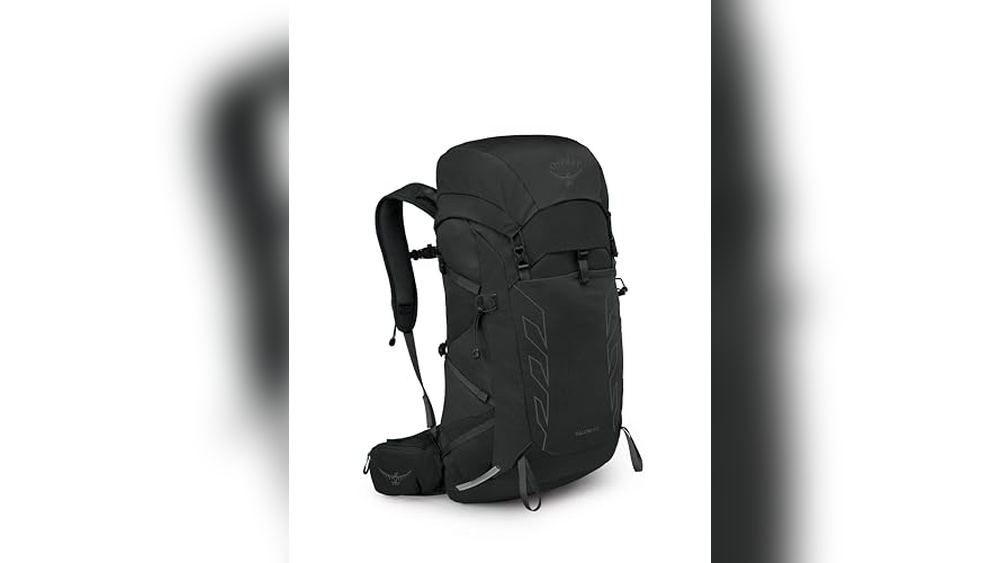
Imagine reaching into your backpack only to find your important items soaked and ruined. You don’t want that, right?
Whether you’re hiking, commuting, or just caught in an unexpected rain, keeping your backpack dry is a must. But how do you make sure your backpack can handle the wettest conditions? You’re about to discover simple, effective ways to waterproof your backpack.
Stick with me, and by the end of this article, you’ll have easy tips that protect your gear and give you peace of mind every time you head out.
Choosing Waterproof Materials
Choosing the right materials is key to making a backpack waterproof. Not all fabrics keep water out the same way. Some block water better than others. Understanding the difference helps in picking the best option for your needs.
Water-resistant Vs Waterproof Fabrics
Water-resistant fabrics stop light rain and splashes. They delay water but do not block heavy rain fully. Waterproof fabrics create a strong barrier. They prevent water from passing through, even in storms. Knowing this difference helps choose the right fabric for your activities.
Popular Waterproof Coatings
Many backpacks use special coatings to repel water. Polyurethane (PU) coatings create a thin, waterproof layer. Thermoplastic polyurethane (TPU) offers strong waterproof protection and flexibility. Durable water repellent (DWR) makes fabric shed water quickly. These coatings add water defense without adding much weight.
Selecting The Right Backpack Material
Nylon and polyester are common backpack fabrics. Nylon is strong and lightweight. Polyester resists shrinking and drying faster. Both can be treated with waterproof coatings for better protection. Look for tightly woven fabrics combined with coatings for best results.
Prepping Your Backpack
Preparing your backpack before waterproofing is key to good results. You want a clean, dry surface for any waterproofing product. Also, check the backpack for any weak spots. Fixing damage first helps the waterproof layer last longer.
Cleaning And Drying
Remove all items from the backpack. Use a soft brush to clear off dirt and dust. Wash with mild soap and warm water. Avoid harsh chemicals that can damage fabric. Rinse thoroughly to remove soap. Let the backpack air dry completely. Do not use a dryer or direct sunlight.
Inspecting Seams And Zippers
Check all seams for loose threads or holes. Look closely at zippers for rust or broken teeth. Make sure zippers move smoothly. Weak seams and broken zippers let water inside. Mark any areas that need repair before waterproofing.
Repairing Existing Damage
Use fabric glue or patches for small holes. Sew loose seams with strong thread. Replace or fix broken zipper parts. Repairing now stops water from leaking later. Take time to make repairs neat and secure.
Waterproofing Techniques
Waterproofing a backpack helps protect your belongings from rain and spills. It keeps your gear dry and safe during outdoor activities. Several techniques can make your backpack water-resistant or fully waterproof. Each method has its own benefits and uses. Choose one or combine them for better protection.
Applying Waterproof Sprays
Waterproof sprays create a thin protective layer on the backpack’s fabric. They repel water and stop it from soaking in. To use, spray evenly on a clean, dry surface. Let it dry completely before use. Some sprays work better on specific materials like nylon or canvas. Repeat the process regularly to keep protection strong.
Using Seam Sealers
Seam sealers block water from entering through stitches and seams. These areas are often weak spots for water leaks. Apply the sealer carefully along all seams of the backpack. Allow it to dry fully for a tight seal. Seam sealers are great for heavy rain or long trips. They add an extra layer of defense against moisture.
Adding Protective Covers
Protective covers provide a quick shield against rain and dirt. Rain covers fit snugly over your backpack. They are easy to carry and use when needed. Covers come in different sizes and materials. They offer strong waterproofing without altering the backpack itself. Ideal for sudden weather changes or wet conditions.
Maintaining Waterproofing
Maintaining the waterproofing of your backpack is key for long-lasting protection. Water repellents wear off over time due to use and weather. Regular care keeps your backpack dry and strong in wet conditions. Pay attention to the fabric and seams to ensure they stay sealed.
Regular Reapplication Tips
Apply waterproof spray or wax every few months. Clean the backpack before applying any product. Use a soft brush or cloth to spread evenly. Avoid soaking the fabric; a light coat is enough. Let the backpack dry completely before use. This process restores the water resistance effectively.
Proper Storage Practices
Store your backpack in a cool, dry place. Avoid damp areas that encourage mold and mildew. Keep it away from direct sunlight to protect fabric and coatings. Loosely pack the bag to prevent creases. Proper storage helps maintain the waterproof layer longer.
Handling Wear And Tear
Check your backpack often for scratches or worn spots. Repair tears quickly using patches or strong glue. Replace broken zippers and damaged seals. Avoid dragging the backpack on rough surfaces. Careful handling reduces damage and keeps waterproofing intact.
Additional Protection Tips
Protecting your backpack from water goes beyond basic waterproofing sprays. Extra steps can keep your gear dry and safe. These tips help add layers of defense against moisture. Simple habits and smart tools make a big difference.
Using Dry Bags Inside
Dry bags are lightweight and flexible containers. Place wet or sensitive items inside to keep them dry. They work well for electronics, clothes, and food. Choose bags with strong seals to block water completely. They fit easily inside any backpack compartment.
Packing Essentials In Waterproof Cases
Small waterproof cases protect valuable items like phones and wallets. These cases are tough and prevent water damage. Use cases with secure locks or zippers. Clear cases let you see contents without opening. They add peace of mind on rainy days or near water.
Choosing Weatherproof Accessories
Pick accessories made from water-resistant materials. Rain covers, straps, and pouches designed for wet conditions last longer. Use covers that fully wrap the backpack. Look for durable fabrics like nylon or polyester with waterproof coatings. These protect against rain, snow, and splashes.
Frequently Asked Questions
How Do I Waterproof A Backpack Quickly?
Use a waterproof spray or seam sealer for fast protection. Apply evenly on dry fabric. Let it dry completely before use. This method is effective for light rain and short trips.
What Materials Make A Backpack Waterproof?
Nylon, polyester, and vinyl with waterproof coatings are best. Look for backpacks with TPU or PU coatings. These materials repel water and keep contents dry. Check product details for waterproof ratings.
Can I Waterproof A Backpack At Home?
Yes, use DIY methods like waterproof sprays or wax. Clean the backpack first, then apply evenly. Let it dry for full protection. Home methods work well for casual waterproofing and maintenance.
How Often Should I Reapply Waterproofing?
Reapply every 6 to 12 months or after heavy use. Check for water absorption signs. Regular maintenance ensures long-lasting protection and keeps your backpack dry.
Conclusion
Waterproofing your backpack protects your items from rain and spills. Use simple materials like waterproof sprays or liners for good results. Regularly check your backpack for wear and reapply protection as needed. Small steps keep your gear dry and safe during outdoor trips.
Stay prepared and enjoy your adventures without worry.