Packing food for backpacking can make or break your trip. You want meals that are lightweight, easy to carry, and still keep you energized on the trail.
But with so many options and tips out there, where do you start? This guide will help you pack smart, save space, and enjoy every bite without worrying about your supplies. Keep reading to discover simple hacks and must-know tricks that will make your backpacking food plan a breeze.
Choosing Lightweight Foods
Packing food for backpacking means choosing items that are light but full of energy. Carrying heavy food can make hiking harder and slow you down. Selecting lightweight foods helps keep your pack light and your body fueled. Focus on foods that give you a lot of calories without adding weight.
High-calorie Options
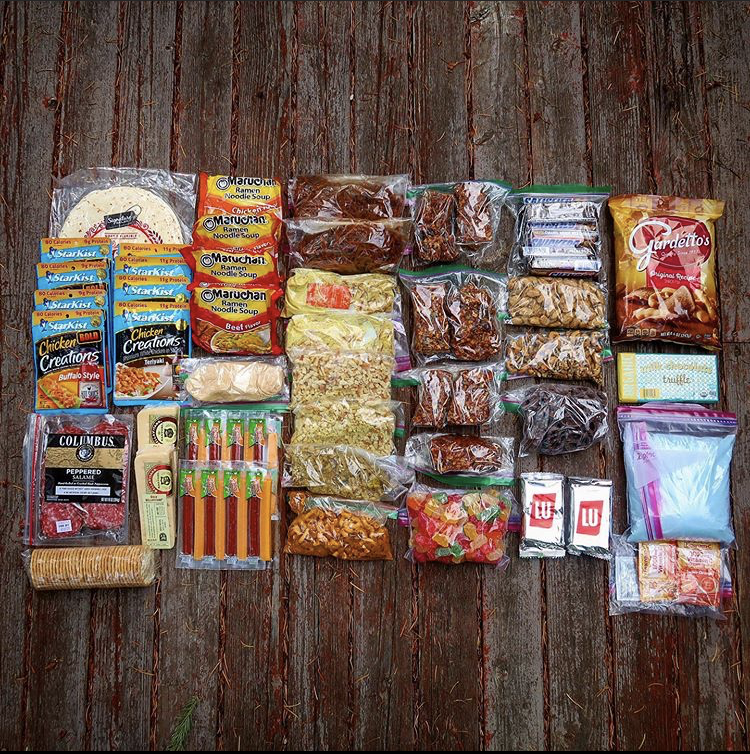
High-calorie foods give you energy to hike longer. Nuts, seeds, and nut butters are good choices. They have fats and proteins that keep you strong. Cheese and jerky also pack well and last a long time. These foods help you stay full and energized.
Dehydrated And Freeze-dried Meals
Dehydrated and freeze-dried meals weigh very little. They only need hot water to prepare. These meals keep well and taste good. Choose meals with balanced nutrients like carbs, protein, and fats. They save space and reduce pack weight.
Snacks And Trail Mixes
Snacks like trail mixes are easy to eat on the move. Combine nuts, dried fruits, and a bit of chocolate for energy. They are lightweight and provide quick fuel. Keep snacks in small bags for easy access while hiking.
Credit: www.the-hungry-hiker.com
Packing Techniques
Packing food for backpacking requires smart techniques. These help save space and keep food fresh. Good packing also makes meals easy to prepare. Below are simple tips to improve your packing skills.
Portion Control
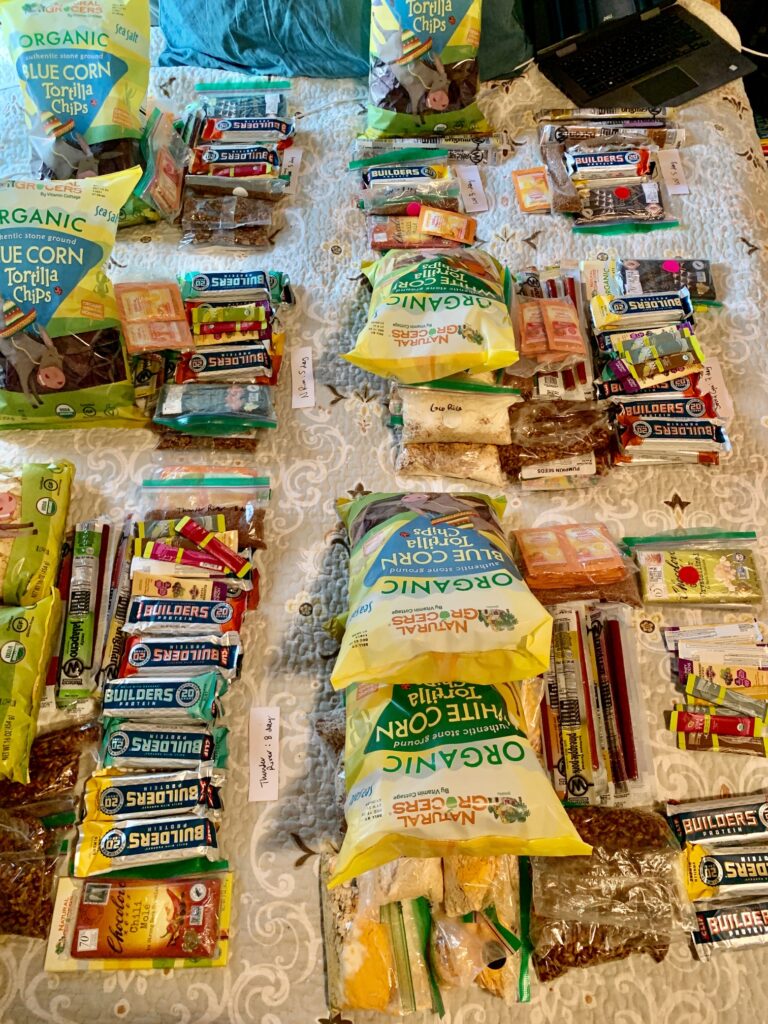
Pack only the food you need for each meal. Measure portions before your trip. This avoids carrying extra weight. Small, balanced portions save space and energy. Use lightweight bags or containers for each portion. This method also helps track your food supply easily.
Using Airtight Containers
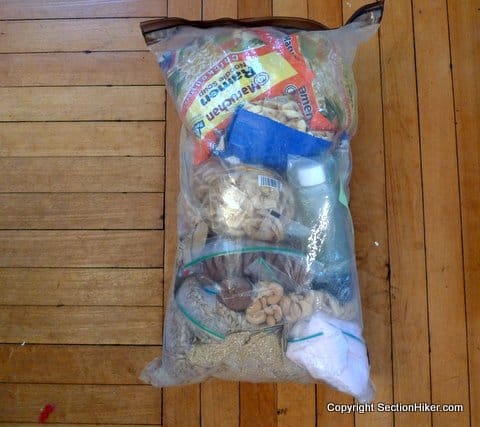
Airtight containers keep food fresh longer. They stop moisture and bugs from spoiling your meals. Choose containers that are light and strong. Clear containers make it easy to see the contents. Use different sizes for snacks, meals, and spices. This keeps your pack organized and clean.
Vacuum Sealing Benefits
Vacuum sealing removes air from food bags. This keeps food fresh and reduces its size. It prevents freezer burn and spoilage during your trip. Vacuum-sealed food takes less space in your backpack. It also helps keep strong smells contained. This method is great for meats, dried fruits, and vegetables.
Meal Planning Strategies
Meal planning is key for successful backpacking trips. Packing the right food keeps energy high and spirits up. Thoughtful planning saves space and weight in your backpack. It also helps avoid hunger or fatigue on the trail. Focus on meals that fuel your body well and are easy to prepare.
Balancing Nutrition
Choose foods that provide carbs, protein, and fats. Carbs give quick energy for hiking long distances. Protein helps with muscle repair and keeps you full. Healthy fats offer lasting energy and support brain function. Include dried fruits, nuts, and whole grains. Avoid too much sugar or processed snacks.
Easy-to-cook Recipes
Pick recipes with few ingredients and simple steps. Instant oatmeal, pasta, and rice meals work well. Use dehydrated or freeze-dried foods to reduce weight. Soups and stews rehydrate quickly and provide warmth. Pre-mix spices and seasonings to save time. Cook meals that need minimal water and fuel.
Meal Timing On The Trail
Eat a good breakfast to start your day strong. Snack often to maintain energy between meals. Plan lunch as a light, quick meal to keep moving. Dinner should be hearty to help your body recover. Drink plenty of water with every meal and snack. Timing meals right avoids energy crashes and keeps you going.
Credit: katiegerber.com
Hydration And Cooking Gear
Packing the right hydration and cooking gear is key for a good backpacking trip. Carrying heavy or bulky items can slow you down. Choosing lightweight and efficient tools makes cooking and drinking easier. It also saves space in your backpack.
Water is vital. Clean water helps you stay healthy and energized. Cooking gear should be simple but reliable. It must handle different weather and conditions.
Lightweight Stoves And Utensils
Choose small, light stoves that use fuel efficiently. Canister stoves are easy to use and compact. Alcohol stoves weigh less but need practice to use safely. Carry only the utensils you need. A lightweight pot, spoon, and fork usually work well. Titanium and aluminum are good materials for gear. They last long and weigh little.
Water Purification Methods
Carry a water filter or purification tablets to clean water. Filters remove dirt and bacteria quickly. Tablets kill germs but take time to work. Boiling water is safe but uses more fuel. Always have a backup method for water safety. Clean water stops sickness and keeps energy high.
Efficient Cooking Tips
Cook simple meals to save fuel and time. Prepare food in advance to reduce cooking on the trail. Use one pot for multiple meals to save space. Cook at lower heat to avoid fuel waste. Clean your gear right after use to keep it working well. Pack foods that cook quickly and fill you up.
Food Safety On The Trail
Keeping food safe on the trail is very important. Spoiled food can cause stomach problems and ruin your trip. Proper packing and handling of food help prevent illness. It also keeps animals away and protects the environment.
Preventing Spoilage
Choose foods that last long without cooling. Dry fruits, nuts, and jerky are good options. Use airtight bags to keep moisture out. Keep food in a cool, shaded place when resting. Avoid opening packages often to stop air and bugs.
Wildlife-proof Packing
Animals smell food from far away. Store food in bear-proof containers or hanging bags. Use a rope to hang food at least 10 feet off the ground. Keep cooking and eating areas clean to avoid attracting animals. Never keep food inside your tent.
Sanitation Practices
Wash your hands with soap before eating or cooking. Use hand sanitizer if water is not available. Clean utensils and plates after each meal. Dispose of food scraps far from your campsite. Use biodegradable soap and water to wash dishes.
Special Dietary Considerations
Packing food for backpacking needs special care for different diets. Some people avoid meat or animal products. Others must skip foods that cause allergies. Some need extra energy for long hikes. Planning food with these needs keeps everyone healthy and happy on the trail.
Vegetarian And Vegan Options
Choose foods rich in protein and easy to carry. Nuts, seeds, and dried beans work well. Instant oats with powdered milk or plant milk powder are good. Dehydrated vegetables add vitamins and flavor. Energy bars made without animal products help keep energy up.
Allergy-friendly Foods
Identify foods that cause reactions before packing. Avoid common allergens like nuts, dairy, or gluten. Rice cakes, fresh fruits, and rice pasta are safe choices. Pack allergy-free snacks and read labels carefully. Carry medications for emergencies to stay safe outdoors.
Energy Boosting Supplements
Supplements help maintain stamina on tough trails. Trail mix with nuts and dried fruit offers natural energy. Electrolyte powders replace salts lost through sweat. Protein powders support muscle recovery after long hikes. Small, lightweight packets are easy to pack and use.
Budget-friendly Packing Tips
Packing food for backpacking can get expensive fast. Saving money helps you enjoy your trip more. Smart choices make your food last longer. These budget-friendly tips help you eat well without spending much.
Bulk Buying
Buy food in large amounts to save money. Stores often sell nuts, rice, and dried fruits in bulk. These items store well and weigh less. Divide bulk food into smaller portions for your trip. This keeps your food fresh and easy to carry.
Diy Meal Preparation
Make your own meals instead of buying ready-made packs. Prepare trail mix, energy bars, or dehydrated meals at home. This costs less and lets you control ingredients. Use simple recipes with affordable ingredients. Pack meals in lightweight bags to save space.
Reducing Waste
Cut down on packaging waste to save money and space. Use reusable containers instead of single-use bags. Plan meals carefully to avoid leftover food. Eat all your packed meals to prevent waste. Less trash means less weight and less hassle on the trail.
Credit: sectionhiker.com
Frequently Asked Questions
What Are The Best Foods To Pack For Backpacking?
Choose lightweight, non-perishable, high-energy foods like nuts, dried fruits, jerky, and instant oatmeal. These foods are easy to carry and provide essential nutrients and calories for energy on the trail.
How Do You Keep Food Fresh While Backpacking?
Use airtight containers or resealable bags to prevent moisture and air exposure. Store food in cool, shaded areas and consume perishable items early to maintain freshness during your trip.
Can I Bring Fresh Fruits And Vegetables Backpacking?
Yes, but choose durable options like apples, carrots, and bell peppers. These fruits and vegetables resist bruising and spoilage, making them suitable for short backpacking trips.
How Much Food Should I Pack Per Day For Backpacking?
Pack about 1. 5 to 2 pounds of food daily, focusing on high-calorie items. This amount balances energy needs without overloading your backpack with weight.
Conclusion
Packing food smartly makes backpacking trips easier and more fun. Choose light, tasty, and nutritious items to keep energy high. Use containers that save space and protect food from damage. Plan meals ahead to avoid carrying extra weight. Stay safe by keeping food clean and fresh.
With careful packing, you can enjoy your adventure without hunger or hassle. Ready to hit the trail with the right food? Simple steps lead to great outdoor meals.