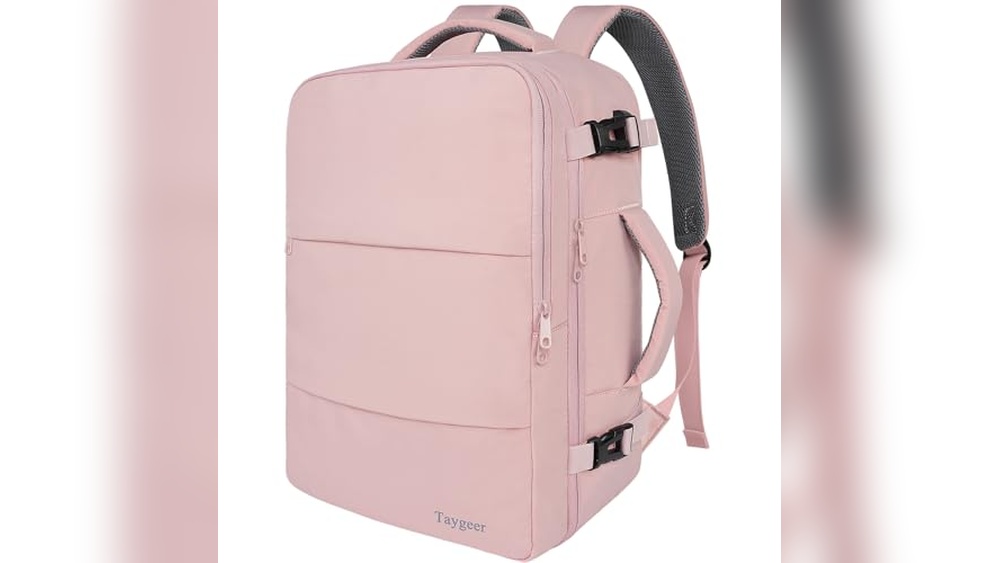
Are you tired of bulky bags that weigh you down? Imagine having a small backpack made just for you—light, handy, and perfect for your daily needs.
Making your own small backpack isn’t as hard as you might think. In fact, with a few simple steps, you can create a stylish and functional bag that fits your style and carries exactly what you want. Keep reading, and by the end, you’ll have all the tips you need to start crafting your very own small backpack today.
Your perfect bag is closer than you think!
Materials Needed
Making a small backpack starts with gathering the right materials. Choosing the right fabric and tools helps you create a durable and stylish backpack. You need to pick fabrics that are strong and easy to sew. Also, having the right tools makes the process smooth and enjoyable.
Fabric Choices
Pick a fabric that holds shape well. Canvas and denim are strong and work great. Nylon and polyester are light and water-resistant. Cotton is soft but less sturdy. Think about the backpack’s use. Choose fabric based on style and durability. A lining fabric inside adds strength and neatness.
Tools And Accessories
Basic sewing tools are a must. Scissors, measuring tape, and pins help you cut and hold fabric. A sewing machine speeds up sewing but hand sewing works too. Use a heavy-duty needle for thick fabric. Thread should match fabric color and be strong. Add zippers, buckles, and straps for function and style. These small parts make the backpack practical and easy to use.
Design Planning
Design planning is the first step to make a small backpack. It helps to organize ideas and prepare for sewing. Careful planning saves time and materials. It also ensures the backpack fits your needs. Start by deciding the style and size. Then, create clear sketches with measurements. This process makes the project smoother and more fun.
Choosing Backpack Style
Pick a style that suits your daily use. Simple designs work well for beginners. Consider if you want a drawstring, flap, or zipper closure. Think about pockets and compartments you need. Check the shape and size for comfort. Choose colors and materials that you like. Keep the design practical and easy to sew.
Measuring And Sketching
Measure the items you want to carry in the backpack. Note the width, height, and depth for the main compartment. Use a ruler and paper to draw your design. Sketch the backpack from different views. Mark all measurements clearly on the drawing. This helps to cut fabric pieces correctly. Double-check your sketch before cutting materials.
Cutting The Fabric
Cutting the fabric is a key step in making a small backpack. This part shapes the pieces that come together in the final product. Careful cutting ensures the backpack looks neat and fits well.
Use sharp scissors or a rotary cutter for clean edges. Take your time and avoid rushing. Precision now saves trouble later in sewing and assembling.
Marking Patterns
Start by placing your pattern on the fabric. Use pins or weights to hold it steady. Mark around the edges with tailor’s chalk or a fabric pen. Double-check measurements to match your design. Mark any important points like zippers or pockets clearly. These marks guide your cutting and sewing steps.
Cutting Tips
Cut slowly along the marked lines. Keep the fabric flat on a hard surface. Use long, smooth cuts to avoid jagged edges. Cut each piece separately to keep shapes accurate. Leave a small seam allowance outside the marks. This extra space helps when sewing pieces together. Keep fabric scraps for practice or patching later.
Sewing The Pieces
Sewing the pieces is an important step in making a small backpack. It brings all the parts together. You will see your backpack shape coming to life. Follow clear steps to sew carefully and neatly.
Use strong thread and a sharp needle. Keep your stitches even. This helps your backpack last longer and look good.
Assembling Main Body
Start by joining the front and back panels. Place them right sides together. Pin the edges to hold them in place. Sew along the sides and bottom with a straight stitch.
Leave the top open for the backpack opening. Press the seams flat with an iron. This makes the fabric smooth and easier to work with.
Next, attach the bottom piece. Align it with the body edges. Sew carefully all around. Make sure the corners match well. This gives your backpack a boxy shape.
Adding Pockets And Details
Choose where to place your pockets. Small front or side pockets work well. Pin the pocket pieces onto the main body. Sew around the edges, leaving the top open.
Add any extra details now. Attach straps, loops, or labels. Sew them firmly so they do not come off. Check all stitches for strength and neatness.
Take your time to sew slowly. This helps avoid mistakes and loose threads. Your small backpack will look great and be sturdy.
Attaching Straps
Attaching straps to a small backpack is an important step. Straps help carry the backpack comfortably. They need to be strong and adjustable. This section explains how to make and attach straps properly.
Creating Adjustable Straps
Start by cutting two pieces of sturdy webbing. Each strap should be about 30 inches long. Use a lighter to seal the edges and stop fraying. Slide an adjustable buckle onto each strap. Thread one end through the buckle. Fold it back and sew tightly. This creates an adjustable loop. The other end stays free for attachment.
Securing Straps To Backpack
Pin each strap to the backpack’s top corners. Make sure the adjustable buckle faces outward. Sew the straps securely using a strong stitch. Use multiple passes for better strength. Attach the bottom ends of the straps to the lower corners. Reinforce these areas with extra stitching. Test the straps by pulling to check firmness.
Finishing Touches
The finishing touches give your small backpack a neat and strong look. These final steps make sure your backpack works well and lasts long. Focus on zippers, closures, and extra stitching. Small details here make a big difference in quality and style.
Adding Zippers Or Closures
Choose zippers that match your backpack size. Sew them carefully along the opening edges. Make sure the zipper moves smoothly without catching fabric. For closures, consider buttons, snaps, or Velcro strips. Attach them firmly to keep your backpack secure. Proper closures protect your items inside.
Final Stitching And Reinforcement
Check all seams for loose threads or weak spots. Sew over these areas again with strong thread. Reinforce stress points like strap connections and bottom corners. Use backstitch or double stitching for extra strength. Tight stitching keeps your backpack durable and ready for use.
Styling Ideas
Styling your small backpack lets you show your personality. It transforms a simple bag into a unique accessory. You can use easy ideas to make your backpack stand out. Choose colors, patterns, and details that fit your style.
Simple touches can make your backpack more fun and special. This section shares easy ways to style your small backpack.
Decorative Elements
Decorative elements add charm to any backpack. Try sewing on patches with cool designs. They can be shapes, animals, or symbols you like.
Use fabric paint to create patterns or write words. Small charms or pins also make your backpack look lively. Attach them to zippers or straps for a playful touch.
Ribbons or lace can soften the look. Choose colors that match your backpack’s fabric for balance.
Personalizing Your Backpack
Personalizing your backpack makes it truly yours. Use your initials with iron-on letters. This simple step prevents mix-ups with others’ bags.
Add a small pocket inside for your phone or keys. It keeps things organized and easy to find. You can also attach a small mirror or badge.
Choose a fabric lining with a fun print. It shows when you open your backpack and adds surprise. These small details make your backpack special every day.
Frequently Asked Questions
What Materials Are Best For Making A Small Backpack?
Use durable fabrics like canvas, nylon, or polyester. These materials resist wear and tear. They are lightweight and water-resistant, ideal for everyday use.
How Do I Choose The Right Size For My Backpack?
Measure what you need to carry daily. A small backpack usually holds 10-20 liters. Choose a size that fits your essentials comfortably without bulk.
What Basic Tools Do I Need To Make A Backpack?
You need scissors, sewing needles, thread, pins, and a measuring tape. A sewing machine helps speed up the process. Optional tools include zippers and buckles.
How Can I Add Pockets To My Small Backpack?
Sew external or internal pockets using matching fabric. Secure pockets with zippers or Velcro for easy access. Pockets help organize small items efficiently.
Conclusion
Making a small backpack is simple and fun. You only need a few materials and some patience. Follow the steps carefully to get good results. This project helps you create a useful item for daily use. It also saves money and lets you customize your style.
Try making different sizes or colors next time. Enjoy carrying something you made by yourself. Keep practicing to improve your skills. Simple projects like this bring joy and satisfaction. Give it a try and see how easy it can be!