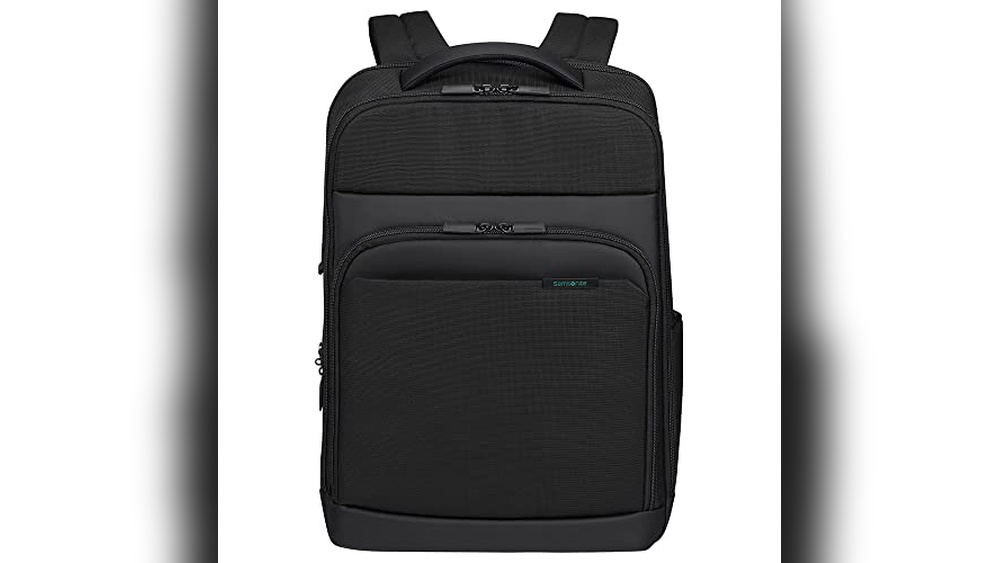
If you carry a holster and a backpack, you know how tricky it can be to keep both secure and easily accessible. What if you could attach your holster right to your backpack?
Imagine having your gear organized, ready to grab in seconds, without fumbling or discomfort. You’ll discover simple, step-by-step ways to attach a holster to your backpack. Whether you’re heading out for an adventure or need quick access during daily activities, these tips will make your setup smarter and more efficient.
Keep reading to learn how to do it right—and make your gear work for you.
Choosing The Right Holster
Choosing the right holster is key to attaching it securely to a backpack. The holster must fit the item it holds and match the backpack’s design. This choice affects comfort, safety, and ease of use. Spend time understanding different holster types, materials, and sizes. This will help pick the best one for your needs.
Types Of Holsters
Holsters come in many styles. Some attach with straps, others clip on. Paddle holsters slide into a belt or strap. Drop-leg holsters hang lower for quick access. Tactical holsters often have extra pockets or loops. Choose a type that fits your backpack and use. Some styles suit outdoor trips, others work for daily carry.
Material Considerations
Holsters are made from various materials. Nylon is light, flexible, and dries fast. Leather looks good and lasts long but can get heavy. Kydex is hard and holds shape well. It protects gear from bumps. Think about weather and how much wear the holster will take. Pick a material that balances durability with comfort.
Size And Compatibility
Size matters for a secure fit. The holster must match the size of your gear. Too big means the item can fall out. Too small can cause damage or make removal hard. Check the backpack’s straps or loops too. The holster should attach firmly without moving. Measure both items before buying to avoid mistakes.
Selecting The Backpack
Selecting the right backpack is key to attaching a holster securely. The backpack must support the holster’s weight without damage. Comfort and ease of access are also important. Choose a backpack that fits your needs and style.
Backpack Features For Attachment
Look for backpacks with MOLLE webbing or loops. These allow easy holster attachment. Straps and clips should be strong and well-placed. A flat surface on the side or front helps hold the holster steady. Avoid backpacks with smooth or slippery fabric.
Durability And Strength
Choose materials like nylon or polyester for strength. Stitching must be tight and reinforced around attachment points. The backpack should hold up under weight and movement. Check zippers and buckles for quality. A weak backpack can tear or break easily.
Accessibility And Comfort
Place the holster where you can reach it fast. The backpack should have padded straps for comfort. Look for adjustable straps to fit your body. Balance the load to avoid strain or discomfort. A well-fitted backpack makes carrying easier.
Preparing The Backpack
Preparing your backpack is the first step to attach a holster securely. This process ensures the holster stays in place and is easy to access. Proper preparation also keeps your gear balanced and comfortable.
Taking time to prepare helps avoid damage to the backpack and holster. It creates a stable base for carrying your equipment safely.
Locating Attachment Points
Find sturdy loops or straps on your backpack. These points are made to hold extra gear. Look for MOLLE webbing, D-rings, or thick fabric loops. Avoid weak or thin parts that might tear.
Clearing Obstructions
Remove anything blocking the attachment points. Loose straps, cords, or accessories can get in the way. Clear the area so the holster fits flat and tight against the backpack. This reduces movement and noise.
Reinforcing Straps
Check the strength of the straps before attaching the holster. Add extra stitching or use heavy-duty tape if needed. Reinforced straps hold the holster better and last longer. Strong attachments improve safety and comfort during use.
Attachment Methods
Attaching a holster to a backpack requires the right method for security and ease of access. Different backpacks and holsters offer various options. Choosing the best method depends on your gear and comfort. Here are common attachment methods that work well for most setups.
Using Molle Systems
MOLLE stands for Modular Lightweight Load-carrying Equipment. Many tactical backpacks have MOLLE webbing stitched on them. You can weave the holster’s straps through these loops. This creates a strong, stable hold for your holster. It keeps your gear secure and easy to reach. MOLLE attachment works best with compatible holsters designed for this system.
Clip And Loop Techniques
Clip and loop methods use metal or plastic clips. These clips attach to backpack straps or loops. They offer quick and simple attachment and removal. Loops on the holster slide through backpack straps. Clips snap in place, holding the holster firmly. This method is flexible and works with many backpack styles.
Velcro And Straps
Velcro and adjustable straps are common for holster attachment. Straps wrap around backpack handles or shoulder straps. Velcro fastens the straps tightly to prevent slipping. This method is easy to adjust for fit and position. It suits holsters with built-in straps or separate Velcro attachments.
Securing The Holster
Securing the holster to your backpack is important for safety and ease of use. A well-secured holster stays stable and does not shift during movement. This keeps your gear accessible and prevents accidental drops. Follow these steps to secure your holster properly.
Adjusting Straps For Stability
Start by tightening all straps that hold the holster. Pull the straps firmly but do not over-tighten. The holster should fit snugly against the backpack without wobbling. Check that the straps run through the holster’s attachment points. Adjust each strap evenly for balanced support on both sides.
Testing Movement And Fit
Move the backpack around to test holster stability. Walk, bend, and twist to feel if the holster shifts. A good fit means the holster stays in place. If it moves too much, loosen or tighten the straps again. Repeat until the holster feels secure during all movements.
Locking Mechanisms
Use any built-in locking clips or buckles on the holster. These prevent accidental loosening of straps. Snap or lock these mechanisms after adjusting straps. Double-check that locks are secure before heading out. Locked straps keep your holster firmly attached for long trips.
Safety Tips
Attaching a holster to a backpack can be practical and handy. Safety should be the top priority. Follow these tips to keep your gear secure and avoid trouble.
Avoiding Accidental Release
Choose a holster with strong clips or straps. Check the attachment often. Make sure the holster does not move or loosen. Test the hold before you walk or run. Keep the holster closed tightly around your item. Prevents loss or unwanted exposure.
Regular Maintenance
Inspect your holster and backpack regularly. Look for wear, tears, or weak spots. Clean dirt and dust to keep parts working well. Replace any broken clips or straps immediately. Proper care extends the life of your gear. Safe gear is reliable gear.
Legal Considerations
Know the laws in your area about carrying items in a holster. Some places have strict rules on where and how you carry. Always follow local laws to avoid fines or problems. Carry responsibly to protect yourself and others.
Troubleshooting Common Issues
Troubleshooting common issues helps keep your holster attached securely. Small problems can stop your backpack from working well. Fix these problems fast to enjoy comfort and safety. This guide covers common troubles and easy fixes.
Loose Attachments
Loose attachments can cause your holster to wobble or fall off. Check all straps and clips regularly. Tighten any loose screws or buckles. Use extra fasteners if needed to keep the holster steady. Test the hold by gently shaking the backpack.
Wear And Tear
Wear and tear happens over time with daily use. Look for frayed straps and cracked plastic parts. Replace worn-out pieces to avoid failure. Clean the holster and backpack to remove dirt that causes damage. Regular care extends the life of your gear.
Comfort Problems
Comfort problems make carrying your backpack hard. Adjust the holster position to balance weight evenly. Use padding to reduce pressure points. Check straps for proper tightness to prevent digging into your skin. Make small changes until the fit feels right.
Frequently Asked Questions
How Do I Securely Attach A Holster To A Backpack?
Use MOLLE straps or strong clips to attach the holster. Ensure the holster fits tightly and doesn’t move. Position it where you can access it quickly. Test the attachment for stability before use.
What Type Of Holster Works Best For Backpacks?
Choose a holster designed for external attachment or MOLLE compatibility. Tactical holsters or nylon holsters with adjustable straps work well. Avoid bulky or rigid holsters that limit comfort or access.
Can I Attach A Holster To Any Backpack?
Not all backpacks support holster attachments. Backpacks with MOLLE webbing or loops are ideal. If your backpack lacks these, consider adding attachment points or using clip-on holsters.
Is It Safe To Carry A Firearm Holster On A Backpack?
Yes, if the holster securely holds the firearm and covers the trigger guard. Always follow safety guidelines and local laws. Keep the holster in a low-profile position to avoid accidental exposure.
Conclusion
Attaching a holster to your backpack keeps your gear close and ready. Choose a strong spot on your bag to attach the holster securely. Use straps, clips, or loops that fit your backpack’s design. Check the attachment often to keep it tight and safe.
This simple step adds convenience and quick access during your trips. Practice attaching and detaching your holster to feel comfortable. Small adjustments make a big difference in comfort and safety. Keep your equipment handy without slowing down your adventure. Simple, smart, and practical.