Have you ever stood in front of a shelf full of backpacks and wondered, “How many litres is a regular backpack?” Choosing the right size can be tricky. Too small, and you won’t fit everything you need.
Too big, and you’ll carry extra weight that slows you down. Knowing the right capacity helps you pack smarter and travel easier. You’ll discover exactly what a regular backpack holds and how to pick the perfect size for your daily needs.
Keep reading to make your next backpack purchase simple and stress-free.
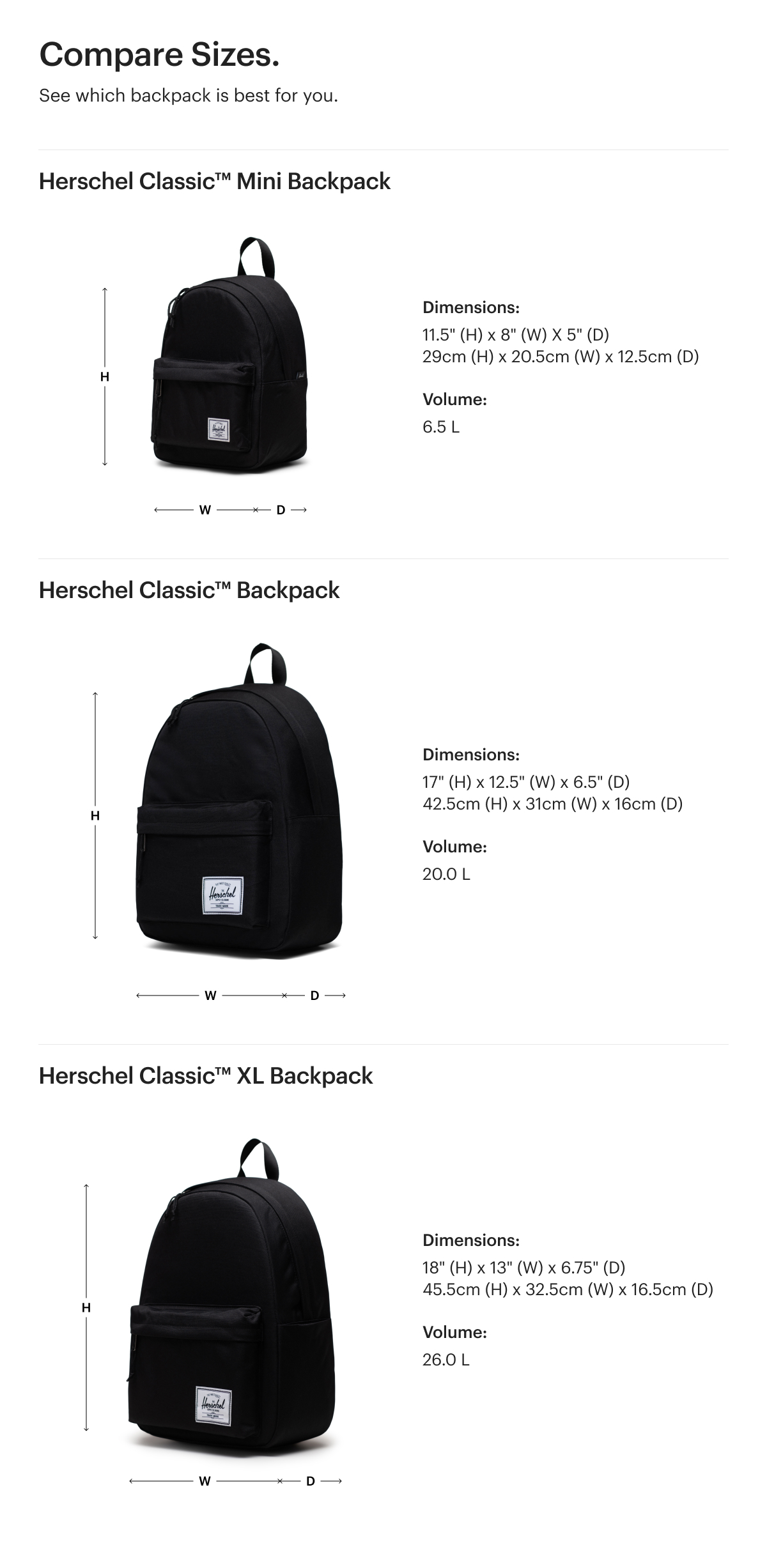
Credit: herschel.com
Backpack Size Basics
Choosing the right backpack size is important for comfort and use. Backpacks come in many sizes, measured in litres. This helps you understand how much stuff the backpack can hold. Knowing the size you need makes packing easier and keeps your load balanced.
Regular backpacks usually fit daily needs. They hold school books, laptops, or gym clothes. The right size depends on what you carry every day. Let’s explore how backpack sizes work and what litres mean.
What Does Litres Mean
Litres measure the volume inside the backpack. It shows how much space is available for your items. The higher the litres, the more you can carry. For example, a 20-litre backpack can hold more than a 10-litre one.
This number helps compare backpacks easily. You can pick one that fits your needs without guessing. It is not about weight but space inside the bag.
Common Backpack Sizes
Backpacks come in sizes from 10 to 50 litres or more. Small backpacks around 10 to 20 litres suit light loads. They work well for short trips or daily use.
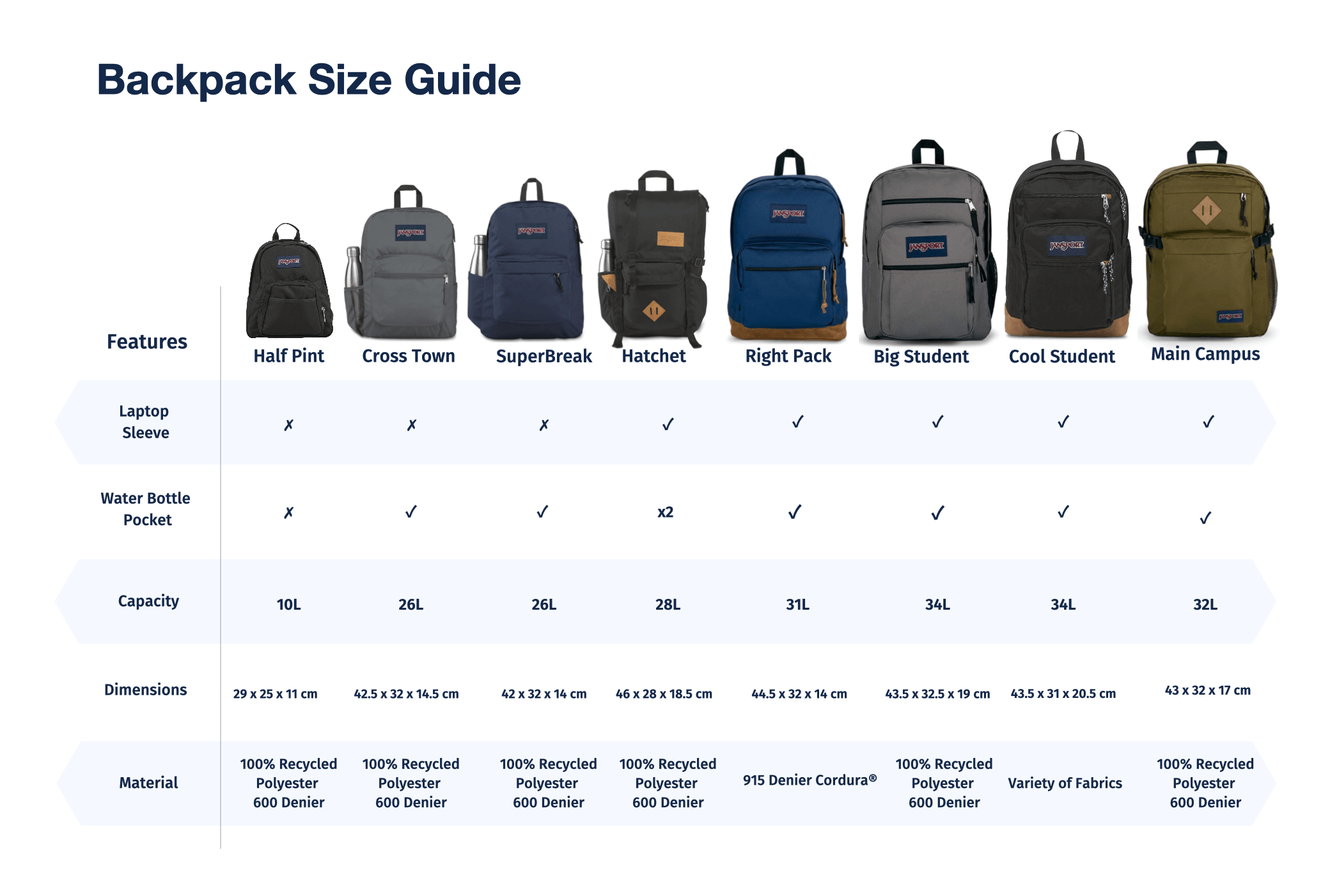
Medium backpacks, 20 to 35 litres, are common for school and work. They hold books, laptops, and some extra items. Large backpacks over 35 litres are for hiking or travel. They fit clothes, gear, and food for longer trips.
Credit: rheolitelecom.com.br
Regular Backpack Volume
A regular backpack holds items for daily use. Its volume matters for comfort and function. Choosing the right size helps carry your stuff easily. This section explains the common volume of regular backpacks.
Typical Litres Range
Most regular backpacks have a volume between 20 and 30 litres. This size fits books, laptops, and small gear. It works well for school, work, or short trips. Backpacks under 20 litres are small and light. Over 30 litres tend to be for hiking or heavy loads.
Factors Affecting Size
Design affects backpack volume. Slim backpacks may hold less but stay close to the body. Padded compartments can reduce space but protect contents. The number of pockets also changes total volume. Personal needs decide the best size. Some carry many items, others just a few.
Choosing The Right Size
Choosing the right size backpack matters a lot. It affects comfort and how much you can carry. A backpack too small won’t hold your items. Too big, and it feels heavy and bulky. Different activities need different backpack sizes. Understanding these sizes helps you pick the best one.
Daily Use Backpacks
Daily backpacks usually hold between 15 and 30 litres. They fit essentials like books, lunch, and a water bottle. These packs stay light and easy to carry. Perfect for school, work, or short trips. Small pockets help keep things organized. Choose a size that fits your daily items well.
Travel And Hiking Packs
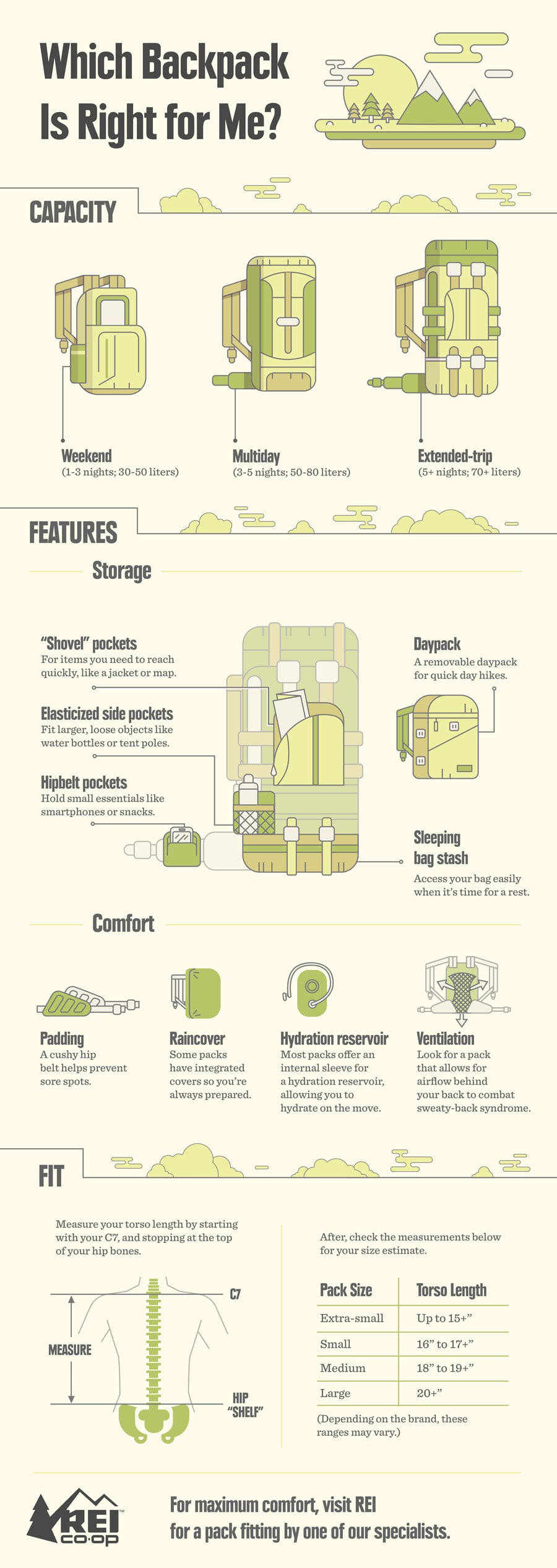
Travel and hiking backpacks are larger, often 40 litres or more. They carry clothes, gear, and food for longer trips. Bigger backpacks have padded straps for comfort. They also include extra compartments for better organization. Pick a size based on trip length and gear needs. A well-sized pack makes your trip easier and more fun.
Measuring Backpack Capacity
Measuring backpack capacity helps you understand how much stuff it can hold. Knowing the size in litres makes it easier to pick the right backpack. It also helps you compare different bags. This section explains how to measure the volume of a backpack.
Methods To Calculate Litres
One common way is to measure the backpack’s length, width, and depth. Multiply these three numbers to get the volume in cubic centimeters. Then convert cubic centimeters to litres by dividing by 1,000.
You can also fill the backpack with water using a waterproof liner. Measure the water volume in litres. This shows the exact capacity but is less practical for everyday use.
Some backpacks list their volume on a tag or label. This number is a helpful guide. Still, measuring yourself gives more accurate results.
Tools And Tips
Use a tape measure or ruler for length, width, and depth. Measure the widest, tallest, and deepest points of the backpack. Take notes to avoid errors.
Try packing items of known size to estimate capacity. Use water bottles or books to fill the backpack. See how many fit inside to guess the litre size.
Check manufacturer websites for size details. Some brands provide exact litre measurements online. Use this info to confirm your own calculations.
Popular Backpack Types By Size
Backpacks come in many sizes. Each type serves a different purpose. Knowing the size helps you pick the right one. Sizes often show in liters. This shows how much space the bag can hold.
Here are popular backpack types by size. Each fits different needs and activities. Understanding their capacity helps you choose better.
School Backpacks
School backpacks usually hold between 20 to 30 liters. They fit books, notebooks, and lunch boxes. Most kids and teens use this size daily. It is neither too big nor too small.
These bags have extra pockets for pens and gadgets. They keep everything organized for easy access.
Daypacks
Daypacks range from 15 to 25 liters. They are perfect for short trips or hikes. You can carry water, snacks, and a light jacket. Daypacks are light and easy to carry.
This size suits those who want to travel light but prepared.
Carry-on Backpacks
Carry-on backpacks range from 30 to 45 liters. Airlines accept them as cabin luggage. They fit clothes, electronics, and essentials for short travel. These bags are compact but spacious enough.
Ideal for travelers who want to avoid checked baggage fees.
Credit: www.rei.com
Impact Of Size On Comfort
The size of a backpack directly affects how comfortable it feels on your back. A larger backpack holds more items, but it can also weigh more. Carrying extra weight without proper support can cause pain and fatigue. Choosing the right size helps keep your body balanced and reduces strain.
Comfort depends on how the backpack fits your body and how the weight spreads out. A well-sized backpack supports your movements and keeps you steady. The right volume matches your needs without adding unnecessary bulk or weight. This balance makes every trip easier and more pleasant.
Weight Distribution
Good weight distribution is key for comfort. A regular backpack usually ranges from 20 to 30 liters. This size allows you to pack daily essentials without overloading. When packed correctly, the weight stays close to your back. This reduces pressure on your shoulders and spine. Even weight helps prevent muscle strain and improves posture.
Adjustability Features
Adjustability features improve comfort by customizing the fit. Straps on the shoulders, chest, and waist help balance the load. Tightening or loosening these straps moves the backpack closer to your body. This reduces swinging and shifting during walking. Adjustable backpacks fit different body shapes better. They make carrying heavier loads easier and safer.
Packing Tips For Different Sizes
Packing a backpack depends on its size. Different sizes need different approaches. Small backpacks require careful selection of items. Larger backpacks offer more room but need smart organization. Adjusting your packing style helps carry what you need comfortably.
Maximizing Space
Roll clothes instead of folding to save space. Use packing cubes to separate items neatly. Place heavier items at the bottom for balance. Fill shoes with socks to avoid wasted space. Compress bulky items using compression bags.
Organizing Essentials
Keep daily use items in easy-to-reach pockets. Use small pouches for toiletries and electronics. Arrange clothes by type and use frequency. Keep important documents in a secure, accessible spot. Label compartments to find things quickly.
Frequently Asked Questions
What Is The Average Litre Capacity Of A Regular Backpack?
A regular backpack typically holds between 20 to 30 litres. This size suits everyday use like school, work, or short trips.
How Many Litres Do School Backpacks Usually Have?
School backpacks generally range from 20 to 25 litres. This capacity fits books, stationery, and a lunchbox comfortably.
What Litre Size Is Best For Daily Commuting Backpacks?
For daily commuting, backpacks of 20 to 25 litres work best. They offer enough space for essentials without being bulky.
Can A 30-litre Backpack Be Considered Regular Size?
Yes, a 30-litre backpack is still regular size. It provides extra room for gym gear or a light jacket.
Conclusion
A regular backpack usually holds between 20 and 30 litres. This size fits daily needs like books, lunch, and a water bottle. It is not too big or too small. Choosing the right size depends on what you carry every day.
A 20-30 litre backpack offers enough space without feeling heavy. This makes it perfect for school, work, or short trips. Remember, comfort and fit are just as important as size. Keep these points in mind when picking your next backpack.