
Starting your backpack blower might seem tricky at first, but it doesn’t have to be. Whether you’re clearing leaves or tidying up your yard, knowing the right steps will save you time and frustration.
Imagine getting your blower running quickly and smoothly every single time—no more struggling or wasting energy. In this guide, you’ll discover simple, clear instructions that make starting your backpack blower easy and stress-free. Ready to get the job done faster and better?
Let’s dive in.
Prepare The Backpack Blower
Preparing your backpack blower before starting ensures it works well and lasts longer. Proper checks help avoid problems during use. Take time to inspect key parts carefully.
This step is simple but important. Follow these guidelines to get your blower ready.
Check Fuel And Oil Levels
Always check the fuel tank before starting. Use fresh fuel mixed with the right oil, if required. Running low on fuel can stop the blower unexpectedly.
Also, check the oil level. Some models need separate oil for the engine. Keep the oil full but not overfilled. Proper fuel and oil keep the engine healthy.
Inspect Air Filter And Spark Plug
Look at the air filter carefully. Clean or replace it if dirty. A clogged filter reduces airflow and damages the engine.
Check the spark plug next. It should be clean and tight. Replace the spark plug if it looks worn or damaged. A good spark plug helps the engine start fast.
Secure All Components
Make sure all parts are tight and secure. Check screws, nuts, and bolts. Loose parts can cause noise or damage during use.
Attach the blower tube and harness properly. A secure fit improves comfort and safety. Take a moment to confirm everything is ready before starting.
Credit: www.bisongenerator.com
Prime The Engine
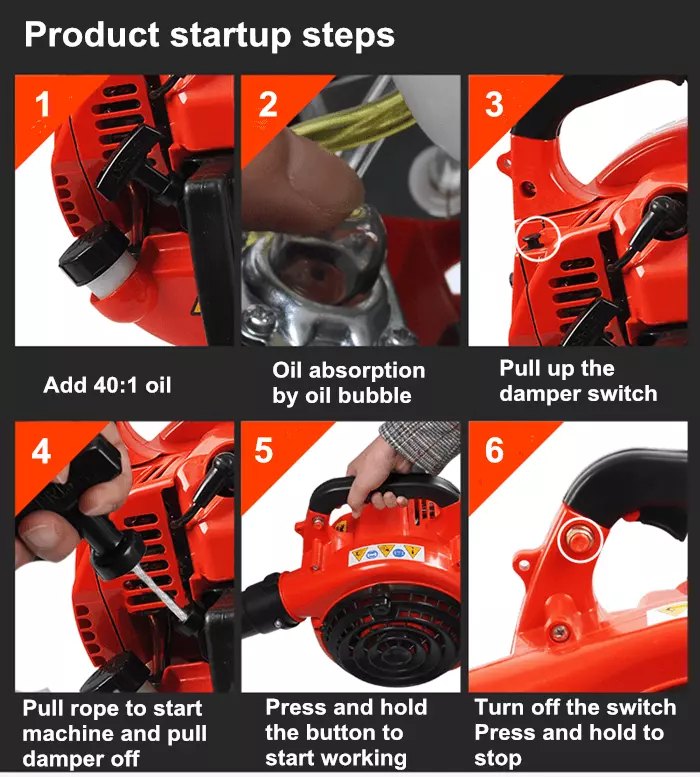
Priming the engine is a key step to start your backpack blower smoothly. It helps move fuel into the carburetor. This makes starting the engine easier and faster. Skipping this step can cause the engine to stall or not start at all.
Follow the correct priming process for best results. It prepares the blower for a quick start. Let’s break down the priming steps.
Locate The Primer Bulb
The primer bulb is a small, round, rubber button. Usually, it sits near the carburetor or fuel tank. It may be clear or red. Check your blower’s manual if unsure. Finding the primer bulb is the first step to start priming.
Press The Bulb Correctly
Press the primer bulb slowly and firmly. Do this about 3 to 5 times. You will see fuel moving through the bulb. Stop pressing once you see fuel in the bulb. Avoid pressing too hard or too many times. This can flood the engine with fuel.
Set The Controls
Setting the controls on a backpack blower is an essential step before starting it. Proper control settings help the engine run smoothly and make the blower easier to use. This section explains how to adjust the choke and set the throttle correctly. Follow these simple steps to prepare your blower for a quick start.
Adjust The Choke
The choke controls the air and fuel mix in the engine. Start by moving the choke lever to the “closed” position. This limits air flow and helps the engine start when it is cold. After the engine starts, slowly open the choke to let in more air. Running the engine with the choke closed for too long can cause it to stall or flood. Adjust the choke smoothly to keep the engine running well.
Set The Throttle
The throttle controls the engine speed. Move the throttle lever to the “start” or “fast” position. This setting provides enough power to start the blower easily. Once the engine runs, adjust the throttle to a lower speed for better control. Avoid setting the throttle too low, or the engine might stop. Proper throttle control makes the blower safer and more efficient to use.
Starting The Engine
Starting the engine of a backpack blower is an essential step. It ensures the blower runs smoothly and efficiently. Follow these simple steps to get your blower going quickly and safely.
Position The Blower For Starting
Place the blower on a flat surface. Make sure the tube points away from you. Hold the blower firmly to keep it steady. This position helps the engine start without issues.
Pull The Starter Rope
Grip the starter rope handle tightly. Pull the rope slowly until you feel resistance. Then, pull it quickly and firmly. Repeat this action until the engine fires up.
Adjust The Choke After Starting
Once the engine starts, move the choke to the run position. This lets the engine get more air. It helps the blower run smoothly and prevents stalling. If the engine slows, adjust the choke slightly.
Safety Tips For Operation
Operating a backpack blower requires careful attention to safety. Following simple safety rules helps prevent accidents and injuries. These tips protect you and those around while using the machine.
Wear Protective Gear
Always wear safety goggles to shield your eyes from debris. Use ear protection to avoid hearing damage from loud noise. Gloves protect your hands from vibration and sharp objects. Long sleeves and pants guard your skin from dust and small stones.
Maintain A Stable Stance
Stand with feet shoulder-width apart for good balance. Keep your weight evenly spread on both legs. Avoid leaning forward or backward while operating the blower. A steady stance reduces the risk of slipping or falling.
Avoid Loose Clothing
Loose clothing can catch in moving parts. Wear fitted clothes to stay safe around the blower. Remove scarves, jewelry, and anything that dangles. Secure long hair to prevent it from getting pulled in.

Credit: powuse.com
Troubleshooting Common Issues
Starting a backpack blower can sometimes be tricky. Problems may stop the engine from running well. Knowing how to fix common issues saves time and frustration. This section covers easy solutions for frequent problems. Follow these tips to get your blower working smoothly again.
Engine Won’t Start
Check the fuel tank first. Make sure it has fresh fuel. Old fuel can cause starting problems. Next, inspect the spark plug. Clean or replace it if dirty or worn out. Also, check the air filter. A clogged filter blocks air flow, stopping the engine.
Pull the starter cord firmly. Sometimes weak pulls cause no start. If the engine still won’t start, try priming the carburetor. Press the primer bulb a few times to send fuel. These steps fix most no-start problems.
Engine Stalls After Starting
Stalling often means a fuel or air problem. Look at the fuel line for cracks or leaks. Damaged lines stop fuel flow. Check the choke position too. The choke should open slowly as the engine warms up. If stuck closed, the engine will stall.
Also, clean the carburetor. Dirt or gunk inside can cause stalling. Tighten loose screws and bolts. Vibrations may cause parts to loosen and stall the engine.
Weak Airflow
Weak airflow reduces blower power. Start by cleaning the air intake and tubes. Leaves and debris can block air movement. Check the impeller inside the blower. It must spin freely and not be damaged.
Make sure the fuel mixture is correct. Poor fuel quality lowers engine power and airflow. Replace the fuel filter if clogged. Clear any dirt or dust from the blower parts regularly. Strong airflow comes from clean, well-maintained equipment.

Credit: www.youtube.com
Frequently Asked Questions
How Do I Prepare A Backpack Blower Before Starting?
Check fuel levels and fill the tank with the correct fuel mix. Inspect the air filter for dirt. Ensure all parts are securely attached. Turn the choke on if the engine is cold before starting.
What Is The Proper Starting Procedure For A Backpack Blower?
Place the blower on a flat surface. Turn the ignition switch to “on. ” Set the choke to closed if cold. Pull the starter cord firmly until the engine fires. Open the choke gradually and pull again to start.
How Do I Maintain A Backpack Blower For Easy Starting?
Clean or replace the air filter regularly. Use fresh fuel and mix it properly. Check the spark plug for wear and replace if needed. Store the blower in a dry place and run it occasionally.
Why Won’t My Backpack Blower Start After Several Pulls?
It may be flooded with fuel or have a clogged air filter. Check the fuel quality and air filter condition. Adjust the choke and try again. Inspect the spark plug for damage or fouling.
Conclusion
Starting a backpack blower is easier than it seems. Follow the steps carefully and stay patient. Make sure the fuel is fresh and the choke is set correctly. Pull the starter cord smoothly until the engine runs. Practice a few times to feel confident.
With regular use, you will start quickly every time. Enjoy a clean yard with less effort. Keep safety in mind and maintain your blower well. Simple actions lead to great results. Give it a try today.