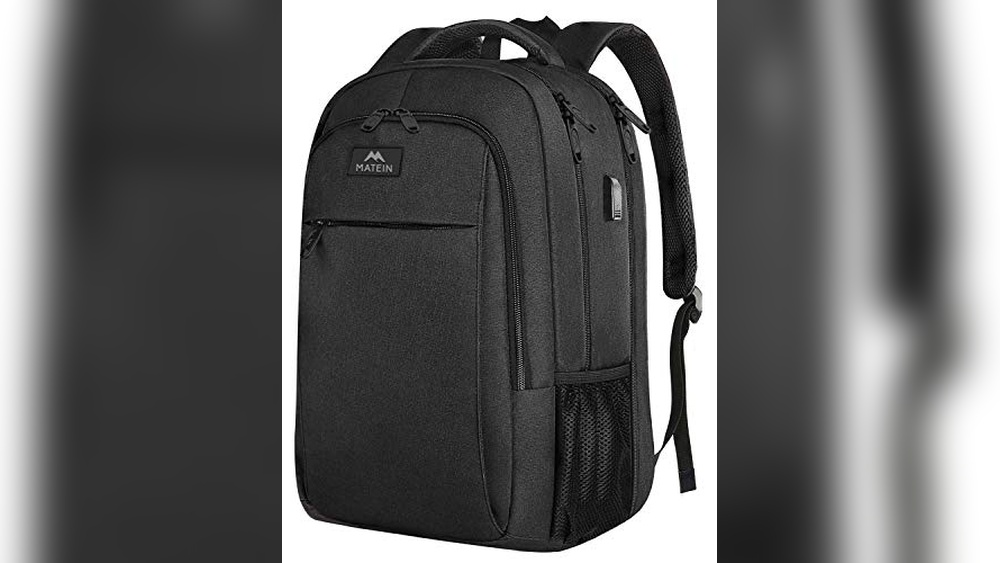
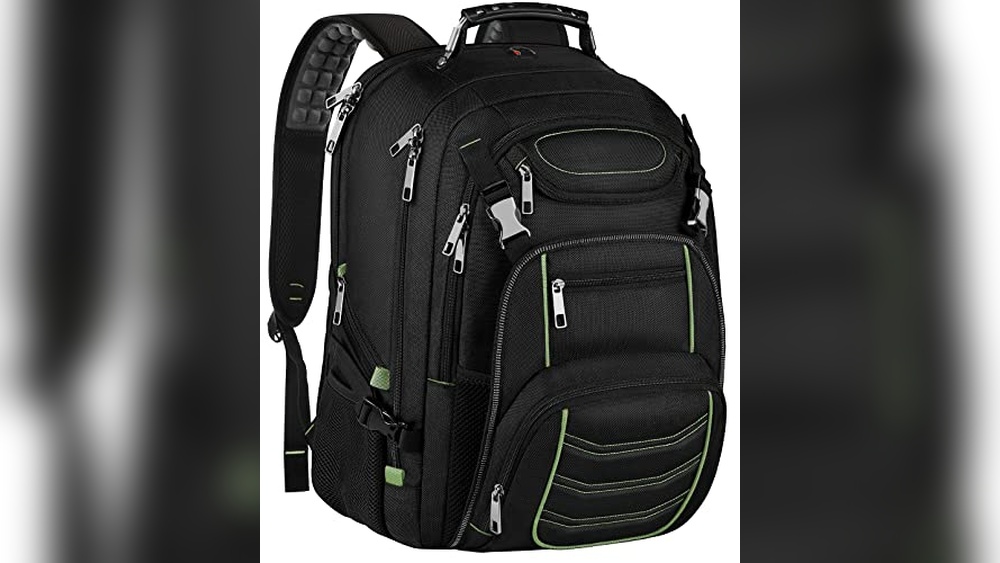
Have you ever bought a backpack and wondered if it’s really big enough for your needs? Knowing how to calculate the volume of your backpack from its dimensions can save you from guesswork and frustration.
When you understand this simple trick, you’ll be able to pick the perfect backpack every time—whether for school, travel, or outdoor adventures. You’ll learn an easy step-by-step method to find your backpack’s volume quickly and accurately. Stick with me, and you’ll never second-guess your backpack size again.
Backpack Volume Basics
Understanding backpack volume helps you choose the right bag for your needs. Volume tells you how much space is inside the backpack. It shows how much stuff you can carry comfortably. Knowing this makes packing easier and more organized.
Backpack volume depends on its dimensions. Length, width, and height are the key numbers. These dimensions help calculate the total space inside. Let’s explore the basics of backpack volume and why it matters.
Common Measurement Units
Backpack volume is usually measured in liters or cubic inches. Liters are more common worldwide. Cubic inches are used mainly in the United States. Both units tell you about the same thing — space inside the bag.
Using liters is easier for most people. It gives a clear idea of capacity. For example, a 30-liter backpack holds about 30,000 cubic centimeters. Knowing the unit helps compare different backpacks quickly.
Why Volume Matters
Volume tells you how much gear fits inside the backpack. A small volume suits daily use or short trips. Larger volumes work better for hiking or longer travel. Choosing the right size avoids carrying extra weight.
Volume affects comfort and packing style. A too-small backpack means less space. A too-large bag feels heavy and bulky. Correct volume keeps your load balanced and easy to carry.
Gathering Backpack Dimensions
Gathering the dimensions of your backpack is the first step to calculate its volume. Accurate measurements help you understand how much space the backpack offers. Use a ruler or tape measure for best results. Write down each measurement carefully before moving on.
Measuring Height
Place the backpack on a flat surface. Measure from the bottom to the top. Include any extra parts like handles or straps that add to height. This number shows the backpack’s vertical size.
Measuring Width
Measure the backpack from one side to the other. Do this at the widest point. Keep the tape measure straight to get an exact width. This tells you how broad the backpack is.
Measuring Depth
Depth means how thick the backpack is from front to back. Measure from the front pocket to the back panel. Take care to measure the fullest part. This gives the backpack’s thickness size.
Calculating Simple Volume
Finding the volume of a backpack helps to know how much it can hold. The easiest way is to treat the backpack like a simple shape. Most backpacks are close to a box shape. This lets you use a basic math formula. You only need to measure three parts: length, width, and height. These measurements will give you the volume in cubic units. Let’s see how to do this step by step.
Using Rectangular Shape Formula
First, measure the length of the backpack. Next, measure the width across the base. Then, measure the height from bottom to top. Multiply these three numbers together. The formula is:
Make sure all measurements use the same unit, like inches or centimeters. This multiplication gives the volume in cubic inches or cubic centimeters. This is a simple way to get a good estimate of the backpack size.
Converting To Liters
Backpack volume is often shown in liters. To convert cubic centimeters to liters, divide by 1,000. For cubic inches, multiply by 0.0164 to get liters. Liters are easier to compare because many backpacks use this unit. This step helps to understand the backpack capacity better. Now you can quickly find how much space the backpack holds.
Adjusting For Irregular Shapes
Backpacks often have uneven shapes. This makes calculating their volume tricky. Standard formulas for boxes or cylinders do not work well. You need ways to adjust for these irregular shapes. This helps get a closer estimate of the true volume.
Estimating With Multiple Sections
Break the backpack into simple parts. Use shapes like rectangles, cylinders, or cubes. Measure length, width, and height of each part. Calculate volume for each shape separately. Add all these volumes together. This gives a better overall volume estimate. This method works well for backpacks with pockets or compartments.
Using Water Displacement Method
Fill a large container with water. Note the water level before placing the backpack. Submerge the backpack fully in water. Note the new water level. The rise in water shows the backpack’s volume. This method works best for waterproof backpacks. Avoid damaging your backpack with this method.
Tools And Tips
Calculating the volume of a backpack requires accurate measurements and the right tools. Using proper tools helps get precise results. Simple mistakes can lead to wrong volume calculations. Follow these tips for the best outcome.
Recommended Measuring Tools
A soft measuring tape works well for flexible backpacks. It bends easily around curves. A rigid ruler or yardstick suits rectangular bags. Use a flat surface to measure height, width, and depth correctly. A calculator helps multiply dimensions quickly. A notebook keeps track of numbers without confusion.
Common Mistakes To Avoid
Do not measure only one side of the backpack. Measure height, width, and depth separately. Avoid estimating sizes by eye. Always use a measuring tool. Do not forget to measure the thickest parts. Skip measuring straps or pockets unless they add volume. Double-check measurements to avoid errors.
Practical Applications
Knowing how to calculate the volume of a backpack helps in many practical ways. It guides your choices and makes packing easier. Understanding volume means you can pick a backpack that fits your needs. It also helps avoid carrying too much or too little stuff.
Choosing The Right Backpack Size
Backpack volume tells you how much space you have inside. This helps in selecting the right size for trips or daily use. A small backpack is good for light travel or school. Bigger backpacks suit camping or long journeys. Measuring volume ensures the bag fits what you plan to carry.
Packing Efficiency
Knowing your backpack’s volume helps pack smarter. It allows you to organize items to use space well. Avoids wasting room or overstuffing the bag. Good packing keeps your load balanced and comfortable. It also protects your gear by fitting items snugly inside.
Frequently Asked Questions
How Do I Measure Backpack Dimensions Accurately?
Measure the length, width, and height of the backpack. Use a measuring tape for precision. Record all three dimensions in consistent units.
What Formula Calculates A Backpack’s Volume?
Multiply length × width × height. This gives the volume in cubic units. Convert to liters by dividing cubic centimeters by 1000.
Can Irregular Shapes Affect Volume Calculation?
Yes, irregular shapes may cause inaccuracies. Use approximate dimensions or specialized tools for better volume estimates.
Why Is Knowing Backpack Volume Important?
Volume helps determine storage capacity. It assists in choosing the right size for your needs and packing efficiently.
Conclusion
Calculating the volume of your backpack is simple with the right steps. Measure length, width, and height carefully. Multiply these numbers to find the volume. This helps you know how much space you have. Use this method before buying or packing your bag.
It saves time and avoids surprises. Always double-check your measurements for accuracy. Now you can choose the perfect backpack size easily. Knowing volume helps plan your trips better. Keep practicing this method for quick results.