Planning a backpacking trip is exciting, but are you ready for the challenge ahead? Training the right way can make all the difference between a tough, exhausting hike and an enjoyable adventure.
You want to feel strong, confident, and ready to tackle every mile with ease. In this guide, you’ll discover simple, effective steps to prepare your body and mind for the journey. Keep reading to find out how you can train smart and make your backpacking trip unforgettable.
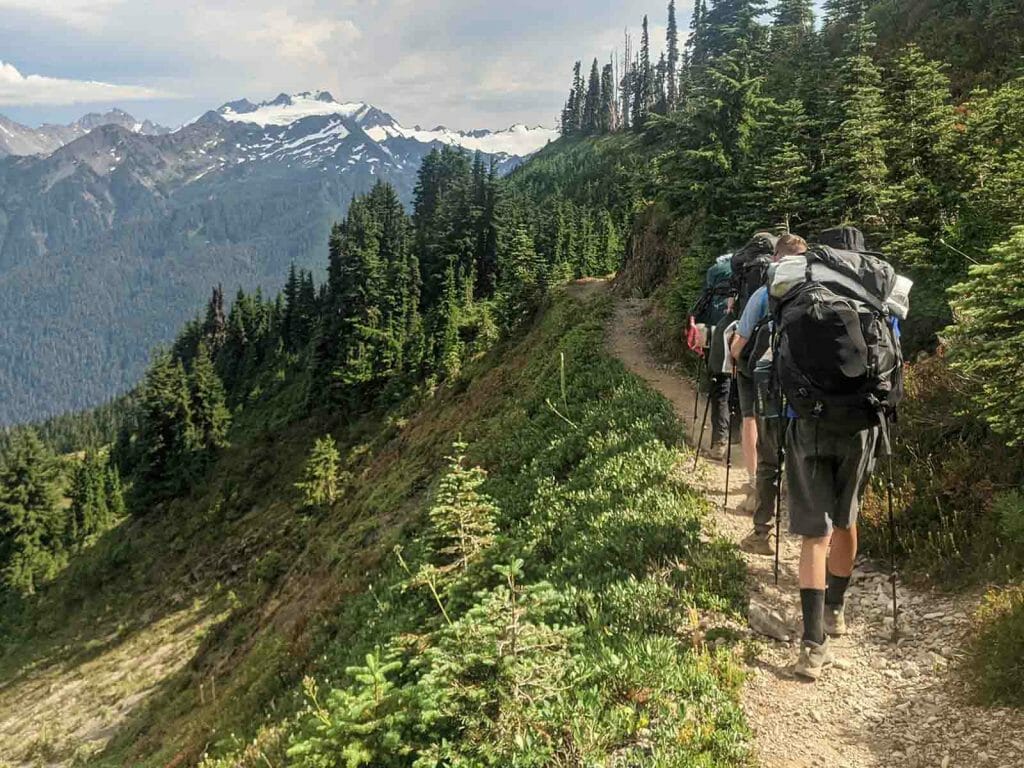
Credit: lastingadventures.com
Setting Goals
Setting clear goals is the first step in training for a backpacking trip. Goals guide your efforts and keep you motivated. They help you track progress and adjust your plan. Without goals, training can feel aimless and hard.
Choosing Your Trip Distance
Decide how far you want to hike. Short trips need less training. Longer trips require more strength and endurance. Choose a distance that matches your experience and time available. This helps focus your workouts on the right level.
Determining Your Fitness Level
Check your current fitness before training. Try walking with a loaded backpack on flat ground. Note how your body reacts after 30 minutes. This shows your base strength. It helps plan exercises to build stamina safely.
Establishing A Training Timeline
Set a clear timeline for your training. Start early for long trips. Short trips allow less time but still need preparation. Break the timeline into weekly goals. This keeps you on track and avoids injury.
Building Endurance
Building endurance is key for a successful backpacking trip. Your body needs to keep moving for hours. This requires strong stamina and good energy levels. Training your endurance will help you walk longer without getting tired. It also reduces the chance of injury. Focus on exercises that improve your heart, lungs, and leg muscles.
Start training weeks before your trip. Consistency is important. Train regularly and increase your workout intensity slowly. This way, your body adapts well. Endurance training makes your hiking easier and more fun.
Cardio Workouts For Stamina
Cardio exercises boost your heart and lung strength. Try walking, jogging, cycling, or swimming. These activities improve your breathing and stamina. Aim for at least 30 minutes, three to five times a week. Keep a steady pace. This builds a strong base for hiking long distances.
Hiking With A Loaded Pack
Practice hiking with a backpack like the one you will use. Start with a light load and add weight gradually. This helps your body get used to carrying extra weight. It also trains your muscles and balance. Walk on trails similar to your trip route. This prepares your legs and back for real conditions.
Gradual Distance Increase
Increase your hiking distance slowly each week. Begin with short walks and add more miles step by step. This helps your muscles and joints get stronger without pain. Your body learns to handle longer hikes comfortably. Keep track of your progress to stay motivated and avoid overtraining.
Strength Training
Strength training builds the muscles needed for a backpacking trip. It prepares your body to carry heavy loads and hike long distances. Focus on key muscle groups to improve endurance and reduce injury risk.
Train regularly to build power and stability. Short, consistent workouts work best. Here are exercises to target your core, legs, and upper body.
Core Exercises For Stability
Strong core muscles keep you balanced on rough trails. Planks and bridges help stabilize your hips and spine. Try side planks to strengthen your obliques. These exercises improve posture and reduce back pain while hiking.
Leg Workouts For Power
Your legs carry most of the weight during backpacking. Squats and lunges build strength in your thighs and glutes. Step-ups mimic hiking movements and improve endurance. Add calf raises to strengthen your lower legs for steep climbs.
Upper Body Conditioning
The upper body helps with carrying your pack and using trekking poles. Push-ups and pull-ups build chest and back muscles. Shoulder presses and rows strengthen your shoulders and arms. Strong upper muscles reduce fatigue on long hikes.
Flexibility And Mobility
Flexibility and mobility are key for a successful backpacking trip. They help your body move easily over rough trails. Good flexibility lowers injury risk. It also reduces muscle soreness after long hikes. Mobility improves joint health. It allows you to balance and adapt on uneven ground. Training these areas makes carrying a heavy pack easier. Simple daily exercises can boost your body’s readiness for the trip.
Stretching Routines
Stretching warms up muscles before hiking. It also helps them relax after long walks. Focus on major muscle groups like legs, hips, and back. Hold each stretch for 20 to 30 seconds. Avoid bouncing or forcing the stretch. Basic moves include hamstring stretches, calf stretches, and hip openers. Stretch both sides of your body evenly. Stretching improves range of motion and reduces stiffness. It prepares your muscles for the demands of backpacking.
Yoga For Backpackers
Yoga builds flexibility and strengthens your core. It also enhances balance and breathing control. Simple poses like downward dog and warrior improve leg strength. Poses like cat-cow loosen the spine and hips. Practice yoga 2 to 3 times a week. Use slow, deep breaths during poses. Yoga helps your body recover faster from tough hikes. It also calms your mind, reducing stress on the trail.
Nutrition And Hydration
Proper nutrition and hydration are key to a successful backpacking trip. Your body needs fuel and fluids to keep up with the physical demands. Eating right helps maintain energy and focus. Drinking enough water prevents tiredness and cramps. Planning meals and drinks carefully supports endurance and recovery on the trail.
Meal Planning For Energy
Choose foods rich in carbohydrates for quick energy. Whole grains, fruits, and vegetables are excellent choices. Include proteins like nuts, seeds, or lean meats to repair muscles. Healthy fats, such as avocado or olive oil, provide long-lasting fuel. Pack lightweight, non-perishable foods that are easy to prepare. Eat small meals regularly to keep energy steady throughout the day.
Hydration Strategies
Drink water often, even if you don’t feel thirsty. Carry enough water and a way to refill on the trail. Use water purification tablets or filters for safety. Avoid sugary drinks and caffeine as they cause dehydration. Electrolyte drinks can help replace lost salts after heavy sweating. Monitor urine color; pale yellow means good hydration.
Supplements And Recovery Foods
Consider bringing energy bars or gels for quick boosts. These are helpful during tough climbs or long hikes. After hiking, eat protein-rich snacks to help muscles recover. Foods like yogurt, cheese, or jerky are good options. Vitamins and minerals support overall health but should not replace real food. Listen to your body’s needs and adjust your intake accordingly.

Credit: www.10adventures.com
Gear Preparation
Preparing your gear is a key step before any backpacking trip. Good gear makes your hike easier and safer. Take time to choose and test your equipment. This helps avoid problems on the trail.
Start early to get used to your backpack and shoes. Pack smart to carry only what you need. Proper gear preparation saves energy and prevents injuries.
Choosing The Right Backpack
Pick a backpack that fits your body well. Look for padded straps and a good hip belt. These reduce pressure on your shoulders and back. Choose the right size for your trip length and gear. Test the backpack by filling it and wearing it around. Adjust straps to find the most comfortable fit.
Breaking In Footwear
New boots or shoes need time to soften. Wear them on short walks before your trip. This reduces blisters and sore spots. Use the same socks you plan to wear hiking. Check for any tight spots or rubbing. Replace shoes that cause pain or discomfort.
Packing Smart
Pack light but include essential items. Use packing cubes or stuff sacks to organize gear. Place heavy items close to your back for balance. Keep frequently used items easy to reach. Avoid overpacking to save energy on the trail.
Mental Readiness
Mental readiness is as important as physical training for a backpacking trip. It prepares you to face challenges on the trail. Being mentally strong helps keep stress low and focus high. This section covers ways to manage stress and build confidence before your journey.
Stress Management Techniques
Stress can make your trip harder than it needs to be. Practice deep breathing to calm your mind. Try meditation for a few minutes each day. Break big tasks into small, easy steps. Plan your trip carefully to avoid last-minute worries. Sleep well to keep your mind fresh and alert. Use positive thoughts to replace negative ones. These techniques help you stay calm and enjoy the adventure.
Building Confidence On Trails
Confidence grows with experience. Start with short hikes to learn basic skills. Carry your backpack to get used to the weight. Learn to read maps and use a compass. Face small challenges and celebrate your success. Talk to other hikers to gain tips and encouragement. Visualize yourself completing the trip safely. This builds a strong mindset for longer hikes ahead.
Simulating Trail Conditions
Simulating trail conditions is key to prepare your body and mind for backpacking. Training on flat ground alone does not build the right strength or endurance. You need to mimic the challenges you will face on the trail.
This type of training helps your muscles get used to uneven paths, changes in elevation, and carrying weight. It also improves your balance and helps prevent injuries. Practice in real or similar conditions to boost your confidence and readiness.
Practice Hikes In Similar Terrain
Choose practice hikes that match the terrain of your trip. If your trail has rocky paths, find local hikes with rocks and roots. If it has steep hills, include climbs in your training. Hiking with a loaded backpack is vital to build strength.
Start with shorter hikes and gradually increase distance and difficulty. This approach helps your body adapt step by step. Pay attention to how your feet, legs, and back feel. Adjust your pace and breaks to suit the terrain.
Training In Various Weather
Trail weather can change quickly. Train in different weather conditions to prepare for heat, cold, rain, or wind. This helps you learn how to dress and manage your gear. It also trains your mind to stay calm and focused.
Try hiking in light rain or cool mornings. Use waterproof gear to test its comfort and function. Practicing in heat helps you understand hydration needs. Cold weather hikes teach you how to layer clothes properly.
Tracking Progress
Tracking progress is key when training for a backpacking trip. It helps you see how much you improve. It also shows which areas need more work. Keeping track keeps motivation high and training on course. You can measure strength, endurance, and distance over time. This way, you prepare your body well for the trip.
Using Fitness Apps
Fitness apps can track your workouts easily. They record steps, heart rate, and calories burned. Many apps show your route on a map. You can set goals and get reminders. Some apps offer training plans tailored for hiking. They help you stay consistent and focused. Data from apps lets you compare progress week by week.
Adjusting Training Plans
Tracking progress helps you adjust your training. If a workout feels too hard, slow down. If it feels too easy, increase intensity or duration. Change plans based on your strength and stamina. Listen to your body to avoid injury. Small changes keep your training effective. Adjusting plans ensures steady improvement before the trip.
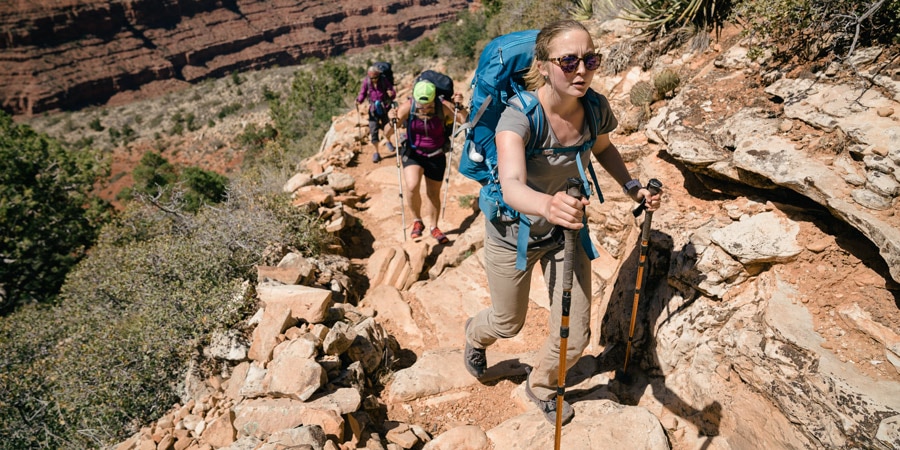
Credit: www.rei.com
Frequently Asked Questions
How Do I Start Training For A Backpacking Trip?
Begin with regular cardio exercises like walking or jogging. Gradually increase your backpack weight. Include strength training to build endurance and muscle stability.
What Exercises Improve Backpacking Endurance?
Focus on hiking, stair climbing, and weighted walking. These activities enhance stamina and simulate real backpacking conditions effectively.
How Long Should I Train Before My Trip?
Train consistently for at least 6 to 8 weeks. This duration allows your body to adapt and build necessary strength.
What Gear Should I Use During Training?
Use the actual backpack and gear planned for the trip. This helps your body adjust to the weight and fit.
Conclusion
Training for a backpacking trip takes time and effort. Start with short walks carrying light loads. Gradually increase your distance and pack weight. Focus on building strength and endurance. Don’t forget to stretch and rest well. Prepare your body and mind for the adventure.
Stay consistent and listen to your limits. This way, you will enjoy your trip safely and comfortably. Ready to explore the great outdoors? Your training will help you get there.