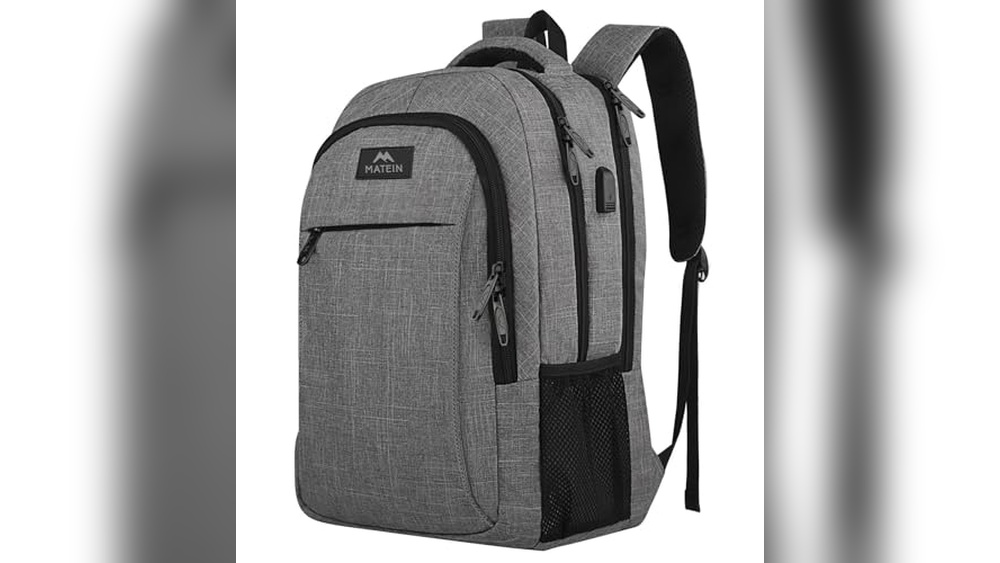
Is your backpack zipper stuck, broken, or missing teeth? Don’t toss your favorite bag just yet.
You can save it by changing the zipper yourself. It may sound tricky, but with the right steps, you’ll find it easier than you think. Imagine how good it will feel to fix your backpack on your own and have it working like new again.
Keep reading, and you’ll learn exactly how to replace your backpack zipper quickly and without stress. Your backpack deserves a second chance—let’s get started!
Tools Needed
Changing the zipper on a backpack needs the right tools. Having the proper tools makes the job easier and faster. It helps avoid damage to the fabric or the new zipper. Below are the basic tools needed for this task.
Seam Ripper
A seam ripper helps remove the old zipper carefully. It cuts through stitches without harming the backpack fabric. This tool is small and easy to handle.
Needle And Thread
Needles and thread are necessary to sew the new zipper. Choose a strong thread that matches the backpack color. Hand sewing or machine sewing both work well.
Pliers
Pliers help pull out zipper stops and sliders gently. They provide a good grip and control. Use them to handle small zipper parts safely.
Scissors
Scissors cut the thread and trim fabric edges. Sharp scissors make clean cuts and prevent fraying. Keep them close for quick access.
New Zipper
Pick a zipper that fits the backpack size. Match the color and type to keep the look consistent. A durable zipper lasts longer and works smoothly.
Removing The Old Zipper
Removing the old zipper from your backpack is the first step to fix or replace it. This process needs care to avoid damaging the fabric. Follow these steps carefully to remove the zipper cleanly and prepare for the new one.
Opening The Seams
Start by finding the seams that hold the zipper. Use a seam ripper or small scissors to cut the stitches. Be gentle to avoid cutting the backpack fabric. Slowly work along the seam, removing stitches one by one. Open the seams enough to free the zipper from the bag.
Taking Out The Zipper
After the seams are open, carefully pull out the zipper tape. Remove any remaining threads attached to the zipper. Check the zipper ends; sometimes they are sewn tightly. Use the seam ripper again if needed to loosen these areas. Take your time to avoid tearing the backpack fabric.
Selecting The Right Replacement Zipper
Selecting the right replacement zipper is the first step to fix your backpack. A good zipper fits well and works smoothly. It also looks good with your backpack’s style. Choosing the correct zipper helps avoid future problems like sticking or breaking.
Measuring The Length
Measure the old zipper carefully. Use a ruler or tape measure. Measure from one end stop to the other end stop. Do not include the zipper pull in the length. This ensures the new zipper fits perfectly without extra fabric.
Choosing The Style And Color
Pick a zipper style that matches your backpack. Common types are coil, metal, and plastic teeth. Each type has different strength and look. Match the color to your backpack for a neat finish. A good color match keeps your backpack looking clean and uniform.
Preparing The Backpack For New Zipper
Preparing the backpack for a new zipper is a key step. It sets the stage for a smooth zipper replacement. Careful preparation helps avoid mistakes and saves time later.
Start with a clean and flat workspace. Lay the backpack down so the zipper area is easy to reach. Remove any loose threads or debris from the zipper line.
Aligning The Zipper
Place the new zipper next to the old one to check size and shape. Make sure the zipper teeth match the backpack’s edge. The zipper pull should face outward, allowing easy access.
Align the zipper tape evenly along the fabric edge. Both sides should line up without wrinkles or gaps. This alignment ensures smooth sewing and a neat finish.
Pinning In Place
Use straight pins to secure the zipper tape to the backpack fabric. Space the pins evenly to hold the zipper tight. Pin through both zipper tape and fabric layers.
Check the zipper alignment again after pinning. Adjust pins if the zipper shifts or folds. Proper pinning keeps the zipper stable during sewing.
Installing The New Zipper
Installing the new zipper on your backpack takes patience and care. A well-installed zipper ensures smooth use and long-lasting wear. Take your time to align the zipper correctly before sewing it in place. This step sets the base for a strong and functional repair.
Sewing Techniques
Use a strong needle and thread suitable for heavy fabric. Start sewing at one end of the zipper tape. Use small, even stitches to attach the zipper securely. Keep the zipper pull open while sewing to avoid damage. Make sure stitches catch both the zipper tape and backpack fabric. This keeps the zipper in place and prevents gaps.
Reinforcing The Stitching
After sewing the zipper, go over the stitches again. Reinforce stress points at the zipper ends with extra stitches. This prevents the zipper from coming loose during use. Use a backstitch or zigzag stitch for added strength. Check your work by gently pulling the zipper to test durability. Strong stitching means a zipper that lasts longer.
Testing The Zipper
Testing the zipper is an important step after replacing it on your backpack. It shows if the new zipper works well. You want to make sure it opens and closes smoothly. This helps avoid more damage later. A good test saves time and effort.
Check For Smooth Movement
Move the zipper pull up and down slowly. It should slide easily without stopping. If it sticks or jams, it needs fixing. A smooth zipper makes using the backpack easier.
Look For Proper Alignment
Check both sides of the zipper teeth. They must line up perfectly. Misaligned teeth cause the zipper to break or get stuck. Proper alignment ensures the zipper stays closed.
Test Locking Function
Close the zipper fully and tug lightly. It should stay shut without sliding down. This shows the locking part works well. A secure zipper keeps your items safe.
Inspect For Gaps Or Openings
Look closely along the zipper line. No gaps or openings should appear when zipped. Any space means the zipper is not fully closed. Fix gaps to protect your backpack’s contents.
Tips For Maintenance
Changing a backpack zipper is easier than it seems. Start by removing the old zipper carefully. Then, sew the new zipper in place with even stitches for a smooth finish.
Keep The Zipper Clean
Dust and dirt can block the zipper teeth. Use a soft brush or cloth to clean it often. This helps the zipper move smoothly and last longer.
Lubricate The Zipper
Apply a small amount of zipper lubricant or wax. It reduces friction and stops the zipper from sticking. Avoid using oil as it can attract dirt.
Avoid Overloading The Backpack
Heavy loads strain the zipper and cause damage. Pack only what fits comfortably. This keeps the zipper from breaking or bending.
Handle The Zipper Gently
Pull the zipper straight without forcing it. Forcing may break the teeth or slider. Always open and close slowly and carefully.
Store The Backpack Properly
Keep the backpack in a dry place. Moisture can rust the zipper parts. Store it zipped up to keep the zipper aligned and safe.
Frequently Asked Questions
How Do I Remove A Broken Zipper From A Backpack?
To remove a broken zipper, first carefully unzip it fully. Use pliers to pull out zipper stops. Gently detach the zipper tape from the fabric using a seam ripper. Be cautious to avoid damaging the backpack material.
What Tools Are Needed To Replace A Backpack Zipper?
You need a seam ripper, needle, strong thread, replacement zipper, and pliers. Scissors help cut the old zipper. A thimble can protect your fingers while sewing. These tools ensure a smooth zipper replacement process.
Can I Replace The Zipper Without Sewing?
Replacing a zipper without sewing is possible but not durable. You can use fabric glue or iron-on adhesive tape. However, sewn zippers last longer and withstand heavy use better. Sewing is recommended for a secure zipper replacement.
How Long Does It Take To Change A Backpack Zipper?
Changing a backpack zipper usually takes 30 to 60 minutes. Time varies based on zipper size and your sewing experience. Taking your time ensures a neat, functional zipper replacement. Rushing can cause mistakes or damage.
Conclusion
Changing a backpack zipper is easier than it seems. With the right steps, you can fix it yourself. Take your time and follow each part carefully. This saves money and keeps your bag useful. Practice makes the process faster and smoother.
Soon, you will feel confident doing it again. Keep your backpack ready for any adventure. A simple repair can extend its life. Try it and see how much you can do. No need to throw away a good bag.