
Are you tired of your backpack digging into your shoulders or slipping off as you move? The secret to comfort and balance lies in how you adjust your backpack straps.
Getting this right can change the way you carry your load, making every step easier and pain-free. You’ll discover simple, practical tips to adjust your backpack straps perfectly, so you can carry your gear with ease and confidence. Keep reading, and say goodbye to discomfort for good!
Choosing The Right Backpack
Choosing the right backpack is the first step to comfort and convenience. A good backpack fits your needs and supports your body well. It makes carrying things easier and prevents pain or injury. Focus on what you need it for, its size, and the materials it is made of.
Selecting Based On Purpose
Think about why you need the backpack. For school, a bag with many compartments helps keep books and supplies organized. For hiking, choose one with extra padding and support for long walks. A travel backpack should have secure zippers and enough space for clothes and gadgets.
Considering Backpack Size
Choose a size that fits your body and load. Small backpacks work for light carrying. Medium sizes suit daily use with more items. Large backpacks are good for heavy loads or trips lasting several days. The backpack should not be too big or too small for your frame.
Material And Durability
Look for strong materials like nylon or polyester. They resist tears and water. Durable backpacks last longer and protect your items. Check the quality of zippers and stitching. These parts must be sturdy to handle regular use.
Preparing For Strap Adjustment
Preparing to adjust backpack straps sets the stage for comfort and support. Proper preparation helps the straps fit your body well. This step reduces strain on your shoulders and back during use.
Before tightening or loosening straps, take a moment to get ready. Follow simple steps to ensure the best fit and comfort.
Wearing Proper Clothing
Wear clothes similar to what you will use while carrying the backpack. Thick jackets or multiple layers affect strap adjustment. Thin shirts or light layers make it easier to find the right fit. This ensures the backpack sits correctly on your body.
Packing Your Backpack Correctly
Fill your backpack with the items you plan to carry. Distribute weight evenly to avoid pulling on one side. A well-packed bag helps you adjust straps accurately. It also prevents discomfort during long walks or hikes.
Loosening All Straps
Start by loosening every strap on the backpack. This includes shoulder, chest, and waist straps. Loosening gives you a blank slate to work with. It lets you tighten straps step-by-step for a perfect fit.
Adjusting Shoulder Straps
Adjusting shoulder straps is key to carrying a backpack comfortably. The straps hold most of the weight. Proper adjustment reduces strain on your shoulders and back. It helps you walk longer without pain. Follow these steps to get the right fit.
Finding The Right Height
The shoulder straps should sit comfortably on your shoulders. They should not dig into your skin or hang loose. Adjust the straps so the backpack rests against your back. The bottom of the bag should sit at your lower back. This keeps the weight close to your body.
Balancing Weight Evenly
Both straps need to carry the weight evenly. Uneven straps cause one shoulder to carry more load. This leads to pain and poor posture. Tighten or loosen each strap until the bag feels balanced. Check that the bag stays centered on your back.
Avoiding Shoulder Pressure
Shoulder straps with padding help reduce pressure. Make sure the straps are not too tight. Tight straps squeeze your shoulders and block blood flow. Loose straps cause the bag to bounce. Adjust the straps for a snug but gentle fit. This keeps your shoulders comfortable during long walks.
Setting The Hip Belt
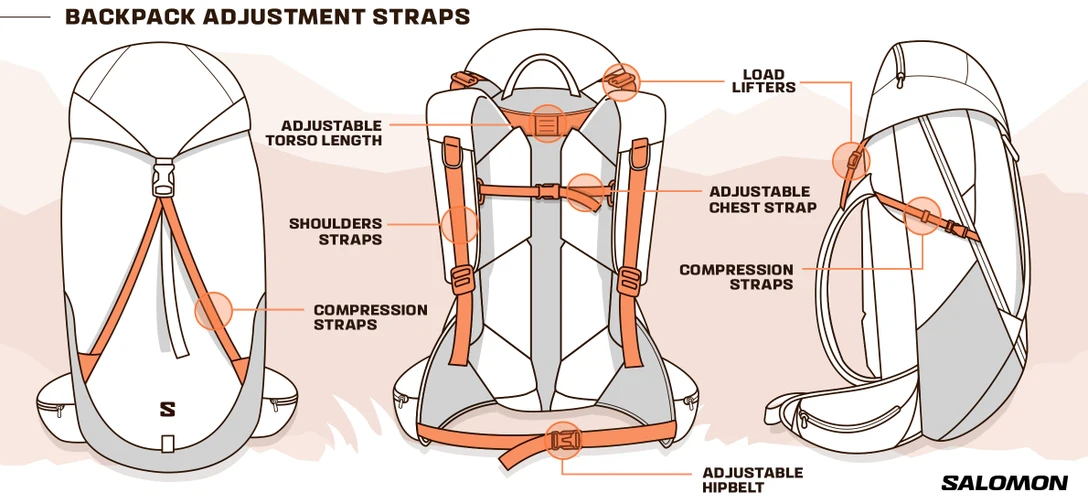
Setting the hip belt correctly helps carry weight on your hips, not your shoulders. This adjustment reduces strain and makes hiking or walking more comfortable. A well-positioned hip belt supports your lower body efficiently.
Positioning On The Hips
Place the hip belt so it sits directly on your hip bones. The padded part should wrap around the top of your hips. Avoid placing the belt too high on your waist or too low on your thighs.
Tightening For Support
Pull the straps firmly to snug the belt around your hips. The belt should feel secure but not too tight. Tighten each side evenly to balance the load on both hips.
Checking Comfort Level
Walk a few steps to test the fit. The belt should stay in place without digging into your skin. Adjust the straps slightly if you feel pressure or discomfort.
Fine-tuning Load Lifters
Fine-tuning load lifters is key to a comfortable backpack fit. These small straps sit near the top of your shoulder straps. Adjusting them right helps balance the weight and ease pressure on your shoulders. This section explains how to handle load lifters for better hiking or travel comfort.
Understanding Load Lifters
Load lifters connect the top of the shoulder straps to the pack frame. They pull the pack closer to your body. This helps keep the load stable as you move. Proper tension prevents the pack from leaning backward.
Check your backpack for these straps above your shoulders. They usually look like short webbing with buckles. Knowing their role helps you adjust them correctly for your body and load.
Adjusting For Stability
Start by tightening the load lifters until they form a 45-degree angle with your shoulders. This angle keeps the pack close without pulling too hard. Tighten evenly on both sides to avoid leaning.
Test the fit by walking or moving your arms. The pack should stay steady and not sway. If it shifts, adjust the load lifters slightly to find the best balance.
Reducing Shoulder Strain
Proper load lifter tension moves weight from your shoulders to your hips. This reduces shoulder strain and fatigue. If your shoulders hurt, try loosening the load lifters a bit.
Too tight can cause discomfort and limit your arm movement. Too loose lets the pack pull backward, adding pressure on your shoulders. Find a comfortable middle ground for longer trips.
Adjusting The Sternum Strap
The sternum strap is a small but important part of your backpack. It helps keep the shoulder straps in place. This prevents the backpack from shifting side to side. Proper adjustment of the sternum strap improves comfort. It also helps balance the load on your back. Here is how to adjust it correctly.
Finding The Ideal Height
The sternum strap should sit across your chest, not your neck. Aim for a spot near your collarbone. Most backpacks have adjustable sliders for this. Move the strap up or down until it feels comfortable. It should not press against your throat. This position allows easy breathing and good support.
Securing For Balance
Buckle the sternum strap snugly. Tighten it enough to hold the shoulder straps in place. Avoid making it too tight. The goal is to stabilize the load. This helps keep the backpack centered on your back. A balanced backpack reduces strain and fatigue during walks or hikes.
Avoiding Breathing Restriction
The sternum strap must not block your breathing. Check that you can breathe deeply and freely. Loosen the strap if you feel tightness around your chest. Your comfort matters most. Proper breathing keeps you energized and prevents discomfort on long trips.
Testing And Re-adjusting
Testing and re-adjusting your backpack straps is key to comfort. A good fit stops pain and helps you carry your load better. After adjusting the straps, take time to test and fine-tune them. This ensures the pack sits right on your back.
Walking With The Pack
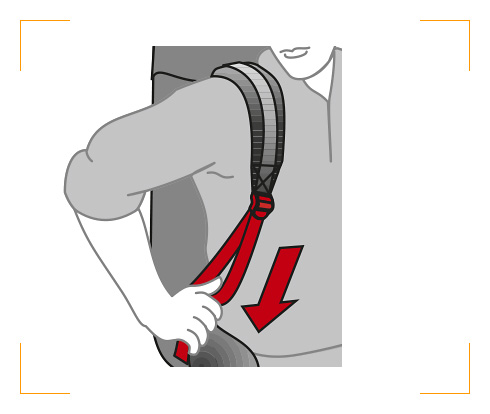
Put on your backpack and walk around for a few minutes. Feel how the pack moves with your body. Notice if it feels balanced or if it pulls in one direction. Walking helps you sense if the straps hold the pack securely.
Identifying Pressure Points
Pay close attention to spots that feel tight or sore. These pressure points can cause discomfort or even injury. Check your shoulders, back, and hips. Pressure points often mean you need to loosen or tighten certain straps.
Making Necessary Changes
Adjust the straps bit by bit to relieve pressure. Loosen straps that dig into your skin. Tighten those that let the pack sway too much. Keep testing and changing until the pack feels stable and pain-free.
Credit: www.tasmaniantiger.info
Tips For Different Backpack Types
Backpacks come in many shapes and sizes. Each type needs a different way to adjust the straps. Proper strap adjustment makes carrying your bag easier and safer. It helps keep your back comfortable and reduces strain. Here are simple tips for adjusting straps on various backpack types.
Daypacks
Daypacks are small and light. Start by loosening all straps. Put the backpack on and tighten the shoulder straps. Make sure the pack sits close to your back. Adjust the chest strap to keep the straps stable. Tighten the waist strap only if your daypack has one. This helps balance the weight evenly.
Hiking Backpacks
Hiking backpacks are larger and heavier. First, loosen all straps completely. Put on the pack and tighten the hip belt. The belt should sit on your hip bones, not your waist. Tighten the shoulder straps next, so the pack rests firmly. Adjust the chest strap to keep the pack steady. Use load lifters to pull the weight closer to your body.
School Backpacks
School backpacks carry books and supplies. Start by loosening the shoulder straps. Put the backpack on and tighten the straps until the bag fits snugly. The pack should sit high on your back. Use the chest strap if available to keep straps from slipping. Avoid letting the backpack hang low to reduce back pain.
Maintaining Backpack Fit Over Time
Keeping your backpack comfortable takes more than one quick adjustment. Over time, your body changes and so does your backpack’s load. Regular care helps keep the straps fitting just right. This prevents pain and keeps you moving freely.
Regular Strap Checks
Check your backpack straps often. Look for signs of wear and tear. Feel if the straps still sit comfortably on your shoulders. Tighten loose straps and loosen those that dig in. Small tweaks make a big difference in comfort.
Adjusting For Load Changes
Change your strap length when you carry different weights. Heavier loads need tighter straps to hold the bag close. Light loads may need looser straps for better airflow. Adjust to keep your posture balanced and reduce strain.
Replacing Worn Straps
Replace straps that are frayed or stretched out. Old straps lose support and can break unexpectedly. Use straps made for your backpack model. Fresh straps restore comfort and safety on every trip.
.png)
Credit: www.sherpa.com.au
Credit: www.salomon.com
Frequently Asked Questions
How Do I Properly Adjust Backpack Straps?
To properly adjust backpack straps, first loosen all straps. Then, tighten shoulder straps until the pack sits snugly on your back. Adjust the chest and waist straps for extra support. This ensures even weight distribution and comfort during use.
Why Is Adjusting Backpack Straps Important?
Adjusting backpack straps is important to prevent back pain and improve posture. Proper adjustment balances the load and reduces strain. It also enhances comfort and stability while walking or hiking, preventing fatigue and injury.
How Tight Should Backpack Straps Be?
Backpack straps should be snug but not too tight. Shoulder straps should hold the pack close to your back without digging in. Waist and chest straps should be snug enough to stabilize the load and reduce movement.
Can I Adjust Backpack Straps For Different Activities?
Yes, you can adjust backpack straps depending on your activity. For hiking, tighten straps for stability. For casual use, loosen them for comfort. Adjusting straps helps optimize comfort and weight distribution based on your movement.
Conclusion
Adjusting backpack straps correctly makes carrying easier and more comfortable. Tighten or loosen straps until the backpack fits snugly. Check that the weight sits close to your back. Keep straps even on both shoulders to avoid strain. Take a moment to test the fit before moving.
A well-adjusted backpack helps prevent pain and fatigue. Small changes can make a big difference during long trips. Remember, comfort matters most when carrying your gear. Practice adjusting straps regularly for the best fit. Your back will thank you.