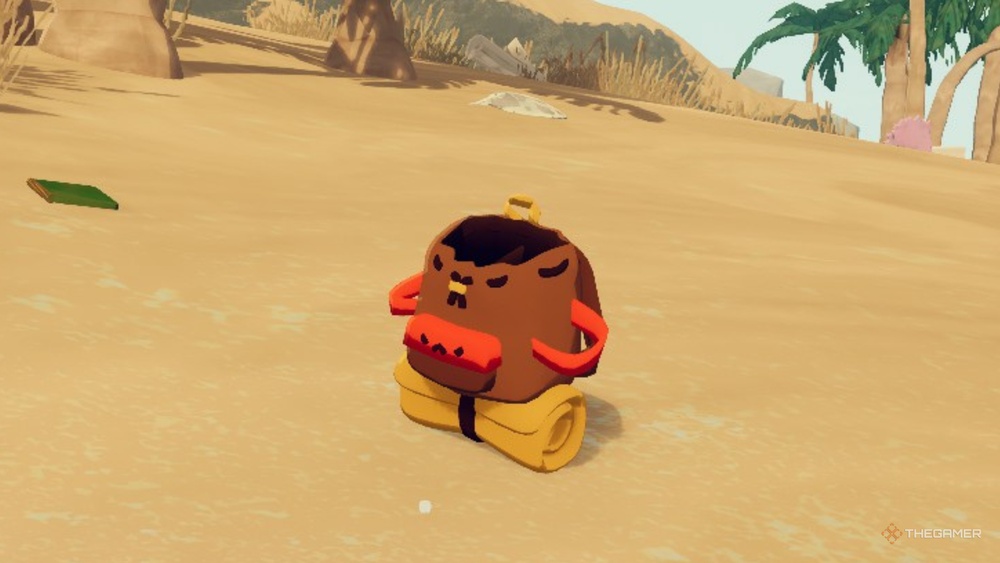
Are you ready to make the most out of your Peak backpack but not sure where to start? Using your backpack the right way can change the way you carry your essentials every day.
Whether you’re heading to work, school, or an outdoor adventure, knowing how to pack and use your Peak backpack efficiently saves you time, keeps you comfortable, and protects your gear. You’ll discover simple tips and smart tricks that help you get the best from your backpack every time.
Keep reading to unlock the full potential of your Peak backpack!
Choosing The Right Backpack
Choosing the right backpack is important for any peak adventure. A good backpack holds all your gear comfortably and safely. It also helps you move easily on tough trails. Picking the right type and size makes your trip better. This guide will help you choose a backpack that fits your needs.
Types Of Backpacks For Peak Adventures
Daypacks are small and light. They carry essentials for short hikes. Perfect for a few hours or a day trip. Hiking backpacks offer more space. They suit longer hikes or overnight trips. These have extra pockets and support. Mountaineering backpacks are large and tough. Made for climbing and carrying heavy gear. They include features like ice axe holders and reinforced straps.
Key Features To Look For
Look for padded shoulder straps. They reduce strain on your shoulders. A padded back panel adds comfort and airflow. Adjustable hip belts take weight off your back. Multiple compartments help organize your items. Water-resistant material protects your gear from rain. Easy access pockets let you reach items fast. Ventilation keeps you cool during long hikes.
Sizing Your Backpack Properly
Measure your torso length from neck to waist. Choose a backpack with adjustable straps. It should fit snug but not tight. Hip belts should sit on your hips. The pack’s weight should rest on your hips. Avoid backpacks that are too big or small. A good fit prevents pain and improves balance.
Packing Essentials
Packing your backpack for a peak hike needs careful thought. The right items make your journey safer and easier. Avoid carrying too much. Focus on what really matters for your trip.
This section helps you learn how to pack smart. You will find tips on choosing gear, organizing your bag, and balancing the weight. These steps improve comfort and access during your hike.
Prioritizing Your Gear
Start by listing all items you think you need. Separate essentials from nice-to-haves. Essentials include water, food, a map, and weather gear. Carry only what you need for safety and survival.
Think about the weather and trail conditions. Pack clothes that protect you from cold or rain. Keep first aid supplies and tools ready. Leave heavy or bulky items at home if possible.
Organizing For Easy Access
Place items you use often at the top or outside pockets. This includes snacks, a compass, and sunscreen. Store less-used gear like extra clothes at the bottom. Use small bags or pouches to group similar things.
Keep your backpack neat to avoid digging through it. Easy access saves time and stress. Label your bags if it helps you find things faster.
Weight Distribution Tips
Balance weight evenly on both sides of your backpack. Put heavy items close to your back and near the center. This keeps you stable and reduces strain.
Light items can go at the top or far from your back. Adjust straps to fit your body well. Check your pack’s weight before starting your hike to avoid surprises.
Adjusting Your Backpack For Comfort
Adjusting your backpack for comfort is key to enjoying your peak adventures. A well-fitted backpack feels like part of you. It reduces strain and lets you move freely. Small tweaks make a big difference on long hikes. Proper adjustment helps you carry weight evenly. This keeps your body balanced and prevents pain. Follow these tips to set your backpack just right.
Fitting Shoulder Straps And Hip Belt
Start by loosening all straps before putting on the backpack. Place the pack on your back and fasten the hip belt. The belt should sit on your hip bones, not your waist. Tighten the hip belt until it feels snug but not tight. Next, pull down on the shoulder straps. They should wrap comfortably around your shoulders. Avoid letting them dig into your skin. Adjust until your shoulders feel supported and the pack feels stable.
Balancing The Load
Load heavy items close to your back. This keeps the center of gravity near your body. Place lighter items further away. This balance reduces pressure on your shoulders and hips. Check that the weight feels even on both sides. Adjust side compression straps to pull the pack closer. A balanced load helps you walk steadily on rocky or uneven ground.
Preventing Common Discomforts
Check for pressure points after adjusting your pack. If straps pinch or rub, loosen them slightly. Use padding or clothing to protect sensitive areas. Take breaks to relieve pressure during long hikes. Keep the backpack clean and dry to avoid skin irritation. Proper adjustment reduces blisters, soreness, and fatigue. Comfort means more fun on every step of your journey.

Credit: gamerant.com
Backpack Maintenance On The Trail
Keeping your backpack in good shape during a hike is important. Proper care helps the bag last longer and work better. Small steps on the trail can protect your backpack from damage. This section explains how to care for your backpack while hiking.
Protecting Against Weather
Rain and sun can harm your backpack. Use a rain cover to keep it dry. If you do not have one, use a plastic bag as a shield. Avoid leaving your backpack in direct sunlight. Sun can fade colors and weaken fabric. Store your bag under shade during breaks.
Handling Wear And Tear
Check straps and zippers often. Fix small tears with tape or needle and thread. Avoid overloading your backpack. Heavy loads strain seams and fabric. Carry only what you need. Adjust straps for a snug fit. This reduces stress on material and keeps you comfortable.
Cleaning And Storage Tips
Remove dirt and dust after each hike. Use a soft brush or damp cloth. Do not use harsh chemicals or washing machines. Let the backpack air dry completely before packing. Store it in a cool, dry place. Keep it loose, not compressed. Proper storage prevents mold and shape loss.
Maximizing Backpack Efficiency
Maximizing backpack efficiency makes your outdoor experience easier and safer. Organizing your pack well saves time and energy. It helps you carry more without feeling heavy. Efficient packing keeps important items within reach. This section shows simple ways to improve how you use your backpack.
Using External Attachments
External attachments increase your carrying space. Use straps and loops to hold extra gear outside. Attach water bottles, sleeping bags, or trekking poles securely. Keep heavy items close to your back for balance. Avoid dangling items that can catch on branches or rocks.
Quick Access Techniques
Place frequently used items in easy-to-reach spots. Use side pockets for snacks, maps, or sunglasses. Keep your rain jacket at the top or in a front pocket. Practice opening your pack smoothly to save time. This helps you find things fast without stopping.
Emergency Gear Placement
Emergency gear must be easy to grab quickly. Store first aid kits and whistles near the top. Keep a headlamp or flashlight within reach. Position emergency blankets where you can find them fast. This organization can save precious minutes in tough situations.

Credit: www.snowpeak.com
Credit: gamerant.com
Frequently Asked Questions
How Do I Choose The Right Backpack For Peak?
Choose a backpack based on size, weight, and comfort. Look for durable materials and proper compartments for Peak’s terrain. Ensure it fits well and supports your back during long hikes.
What Essentials Should I Pack In My Peak Backpack?
Pack water, snacks, a first-aid kit, weather-appropriate clothing, and navigation tools. Include sunscreen, a flashlight, and emergency supplies for safety. Keep items organized for easy access during your Peak adventure.
How Can I Properly Adjust My Backpack For Peak Hiking?
Adjust shoulder straps, hip belt, and chest strap to fit snugly. Distribute weight evenly to reduce strain. Check adjustments frequently to maintain comfort and stability on Peak trails.
Can I Use A Regular Backpack For Peak Hikes?
Regular backpacks may lack support and durability for Peak hikes. Specialized hiking backpacks offer better comfort, weather resistance, and storage options. Investing in a hiking backpack improves safety and experience.
Conclusion
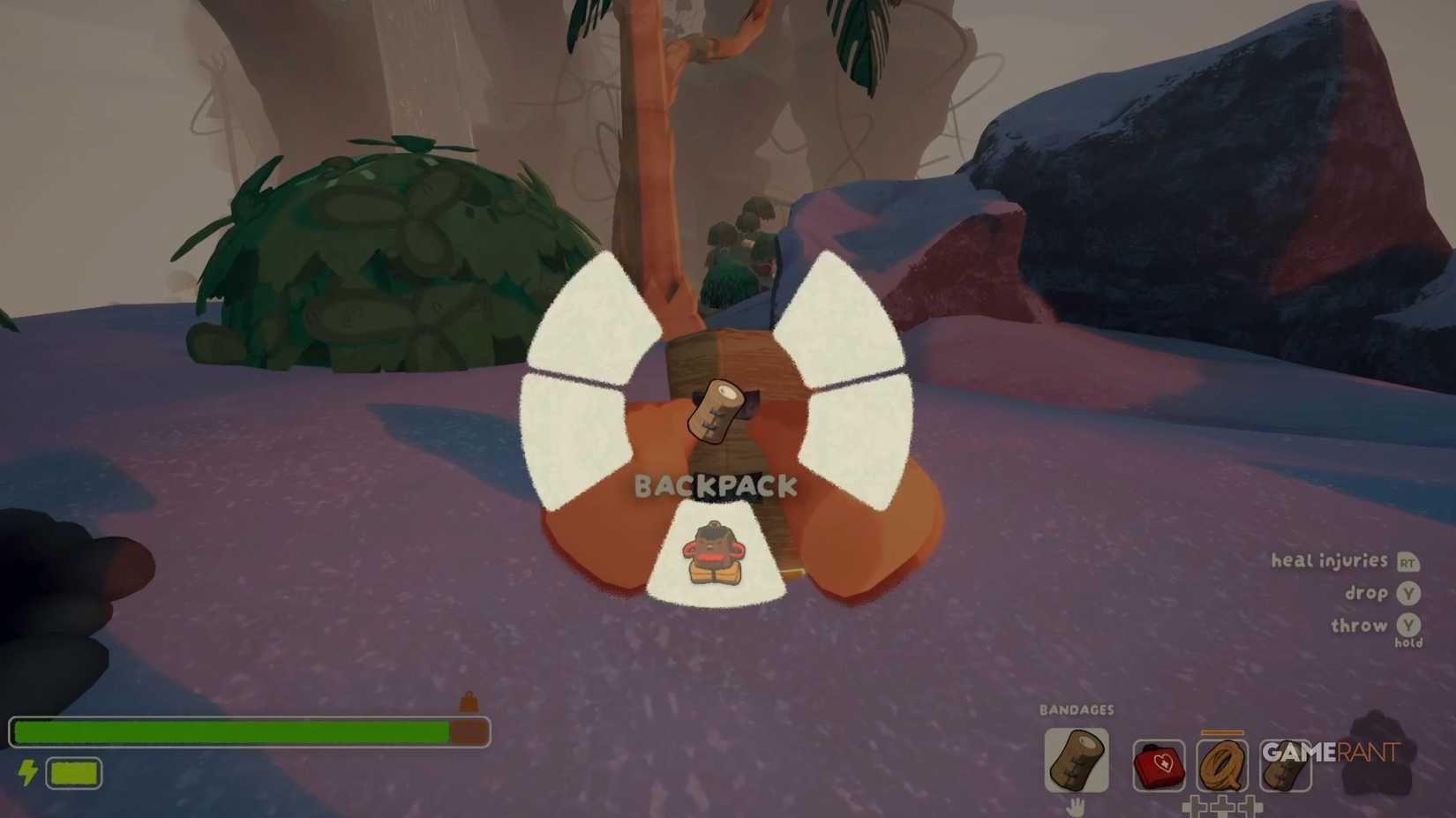
Using Backpack in Peak makes your gameplay smooth and fun. Keep your items organized for quick access. Practice often to get familiar with its features. Stay aware of your surroundings while managing your backpack. This simple tool helps you carry what you need easily.
Try different strategies to find what works best. Enjoy your time playing and exploring with Backpack in Peak.