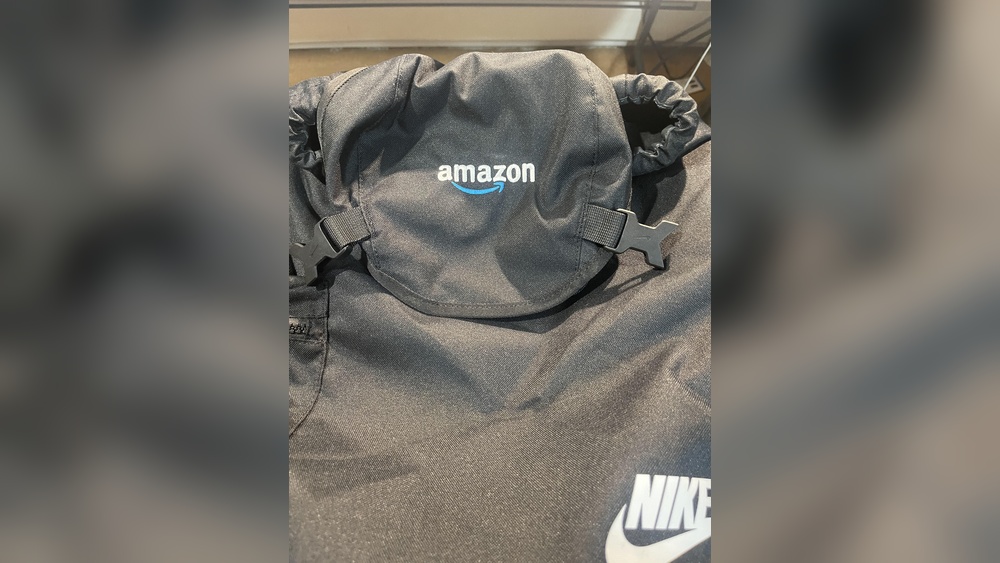
Have you ever wanted to change the look of your backpack but felt stuck because of the embroidery? Whether it’s a name, logo, or design that no longer fits your style, removing embroidery can seem tricky.
But what if you could easily get rid of those stitches without ruining your backpack? You’ll discover simple, step-by-step tips to remove embroidery safely and quickly. Keep reading, and you’ll learn how to give your backpack a fresh new look—no sewing skills needed!
Credit: americanstitchlv.com
Tools Needed
Removing embroidery from a backpack requires some basic tools. These tools help you work carefully and avoid damage. Having the right supplies makes the process easier and faster. Prepare all items before you start the removal.
Essential Supplies
Needle or seam ripper: Use this to cut embroidery threads carefully.
Tweezers: Useful for pulling out loose threads after cutting.
Small scissors: Helps in trimming threads close to the fabric.
Magnifying glass: Makes it easier to see small stitches clearly.
Good light source: Bright light reduces mistakes and eye strain.
Optional Tools For Delicate Fabrics
Fabric tape: Protects fabric around embroidery while you work.
Thimble: Protects your fingers when using needles or seam rippers.
Soft brush: Cleans loose threads gently without harming fabric.
Lint roller: Removes tiny thread pieces from fabric surface.

Credit: www.reddit.com
Preparing The Backpack
Preparing the backpack before removing embroidery is key. It helps protect the fabric and makes the process easier. Take some time to get the backpack ready. This will save effort later and keep your backpack safe.
Cleaning The Surface
Start by cleaning the area around the embroidery. Use a soft brush or cloth to remove dirt and dust. A clean surface helps you see stitches clearly. It also stops dirt from spreading during removal.
If the backpack is very dirty, use a mild soap and water solution. Dab gently and avoid soaking the fabric. Let it dry completely before moving on.
Securing The Area
Next, secure the area around the embroidery. Use tape or pins to hold the fabric steady. This stops the fabric from shifting while you work. It also protects other parts of the backpack from damage.
Make sure the backpack is on a flat surface. This gives you better control and precision. Keep your tools ready and work slowly for best results.
Using A Seam Ripper
Using a seam ripper is a simple way to remove embroidery from a backpack. It is a small tool with a sharp blade designed to cut threads. This tool helps separate the embroidery threads without harming the backpack fabric. It gives you control and precision during the removal process.
Step-by-step Removal
First, find the edge of the embroidery threads. Gently slide the seam ripper under one thread. Carefully cut the thread without pushing too hard. Repeat this for each thread around the embroidery design. Pull loose threads out by hand after cutting. Take your time to avoid tearing the fabric. Continue until all embroidery threads are removed.
Tips For Avoiding Damage
Work in a well-lit area to see threads clearly. Use a sharp seam ripper for clean cuts. Avoid using too much force on the fabric. Keep the backpack on a flat surface while working. Stop if you feel resistance and check the fabric. Removing threads slowly reduces the risk of holes. Clean loose threads from the fabric gently with your fingers.
Applying Heat Methods
Applying heat is a common way to remove embroidery from a backpack. Heat helps loosen the threads and adhesive holding the embroidery. This method requires care to avoid damage to the fabric. Two simple tools can help: an iron and a hair dryer. Both create enough heat to soften the stitching, making it easier to pull out.
Using An Iron
Set the iron to a low or medium heat setting. Avoid using steam as it may damage the backpack. Place a thin cloth over the embroidery to protect the fabric. Press the iron gently on the cloth for about 10 to 15 seconds. Heat softens the threads and glue underneath. Use a pair of tweezers or a seam ripper to pull the threads while warm. Repeat the process if some threads remain tough. Take breaks to check the backpack’s surface. Do not keep the iron in one place too long. This method works well on sturdy fabrics.
Using A Hair Dryer
Turn the hair dryer to high heat. Hold it close to the embroidery, about two inches away. Warm the area evenly for 1 to 2 minutes. The heat loosens the glue and thread fibers. Use small scissors or tweezers to start lifting the threads. Work slowly to avoid ripping the fabric. Move the hair dryer around to keep the heat steady. This method suits delicate materials that can’t handle an iron. Patience is key when using a hair dryer. It softens the embroidery without burning or melting the backpack.
Chemical Solutions
Removing embroidery from a backpack can be tricky. Chemical solutions offer a strong way to break down the threads. These solutions dissolve the embroidery without harming the fabric. Using chemicals needs care and the right choice of solvent. Knowing how to apply them safely helps protect your backpack and skin.
Choosing The Right Solvent
Pick a solvent that suits your backpack’s material. Acetone works well on synthetic fabrics. Rubbing alcohol can remove some threads gently. Test the solvent on a small hidden spot first. Check if it changes the color or texture of the fabric. Avoid harsh chemicals on delicate or coated backpacks. Choose mild solvents for better safety and less damage.
Safe Application Techniques
Work in a well-ventilated area to avoid strong fumes. Use gloves to protect your hands from irritation. Apply the solvent with a cotton swab or small brush. Dab gently on the embroidery threads only. Let the solvent sit for a few minutes to soften the threads. Use a blunt tool to lift the loose threads carefully. Clean the area with water after removing the embroidery. Avoid soaking the backpack to prevent damage.
Credit: embroiderymaster.com
Hand-stitch Removal
Removing embroidery from a backpack by hand is a careful task. It requires patience and the right method. Hand-stitch removal allows you to undo stitches without damaging the fabric. This method works well for small or delicate embroidery designs. It helps keep your backpack looking neat after the removal.
Identifying Stitch Types
First, look closely at the embroidery stitches. Notice their shape and pattern. Common stitches include satin stitches, backstitches, and running stitches. Satin stitches are tight and smooth, often covering large areas. Backstitches form solid lines, and running stitches are simple, with small gaps. Knowing the stitch type helps you remove them carefully. It prevents tearing the backpack material.
Manual Thread Pulling
Use a small needle or seam ripper to lift the thread ends. Gently pull the thread out by hand. Work slowly to avoid pulling too hard. Remove one stitch at a time. Keep the fabric taut but not stretched. This method reduces damage and keeps the fabric intact. Dispose of the removed threads to keep the area clean.
Post-removal Care
Removing embroidery from a backpack leaves some marks and damage behind. Post-removal care helps restore your backpack’s look. It keeps the fabric clean and smooth. Proper care extends the life of your backpack. Follow simple steps to handle leftover residue and fabric harm.
Cleaning Residue
After embroidery removal, tiny threads and glue may remain. Use a soft brush to sweep away loose fibers. Dab the area gently with a damp cloth. Mild soap and water work well to clean stains. Avoid harsh chemicals that can damage the fabric. Let the backpack air dry fully before use. This keeps the fabric fresh and ready for repairs.
Repairing Fabric Damage
Embroidery removal can cause small holes or weak spots. Patch these areas with fabric glue or an iron-on patch. Choose patches that match your backpack’s color and texture. For tiny holes, sewing with matching thread also works. Take care not to stretch the fabric while repairing. This keeps the backpack sturdy and looking neat. Fixing damage early prevents bigger tears later.
Preventing Future Embroidery Issues
Preventing future embroidery issues on your backpack saves time and effort. It helps keep your bag looking neat and fresh. Taking simple steps before and after embroidery can protect your backpack fabric. These tips make removal easier if needed later.
Choosing Removable Designs
Select embroidery designs that can be removed easily. Use patches or iron-on designs instead of permanent stitching. These allow you to change the look without damaging the fabric. Pick designs with clear edges for easy peeling or cutting. Avoid dense stitching that sticks tightly to the backpack material. Removable designs keep your backpack versatile and fresh.
Proper Maintenance Tips
Keep your backpack clean to avoid dirt buildup around embroidery. Wash gently by hand or use a delicate cycle in cold water. Avoid harsh detergents that may weaken threads or fabric. Store your backpack away from direct sunlight to prevent fading. Check embroidery regularly for loose threads and trim them carefully. Proper care extends the life of your embroidery and backpack.
Frequently Asked Questions
How Can I Safely Remove Embroidery From A Backpack?
Use a seam ripper or small scissors to carefully cut the threads. Work slowly to avoid damaging the fabric. Gently pull out the threads with tweezers. Clean the area afterward to remove any leftover fibers.
What Tools Do I Need To Remove Embroidery?
You need a seam ripper, small scissors, tweezers, and a magnifying glass. These tools help you remove threads precisely without harming the backpack fabric.
Can Embroidery Removal Damage My Backpack?
If done carefully, embroidery removal won’t damage your backpack. Avoid rushing and use proper tools. Take your time to prevent fabric tears or holes.
How To Remove Embroidery Without Leaving Marks?
Remove threads gently and avoid pulling hard. After removal, clean the area with a fabric brush or mild detergent. This reduces visible marks and restores the backpack’s appearance.
Conclusion
Removing embroidery from a backpack takes care and patience. Use the right tools like a seam ripper or small scissors. Work slowly to avoid damaging the fabric underneath. Clean up loose threads to keep the backpack neat. This process helps you change the look or fix mistakes.
Remember, gentle handling makes the backpack last longer. Try these steps, and your backpack will look fresh again. Easy to do, even for beginners. Give it a try and see the difference yourself.