
Packing your trekking backpack the right way can make all the difference between an exhausting hike and an enjoyable adventure. If you’ve ever struggled with sore shoulders, lost essentials at the bottom of your pack, or felt weighed down by unnecessary items, this guide is for you.
You’ll learn simple, practical tips to organize your gear efficiently, stay balanced on the trail, and keep everything accessible when you need it most. Keep reading, and discover how to pack smart so your next trek feels lighter, smoother, and more fun from start to finish.
Choosing The Right Backpack
Choosing the right backpack is key to a good trekking experience. A suitable backpack makes your journey easier and more comfortable. It holds your gear safely and balances the weight well. Picking the right one means thinking about the trip length, your body size, and what you need to carry.
Types Of Trekking Backpacks
Trekking backpacks come in many styles. Daypacks are small and light for short trips. Weekend backpacks hold more gear for 2-3 days. Expedition backpacks are large for long trips, carrying heavy loads. Frameless packs are flexible but less supportive. Internal frame backpacks offer better support and stability.
Size And Capacity
Backpack size depends on how long you trek. Small packs hold 20-35 liters for day hikes. Medium packs hold 35-50 liters for short trips. Large packs hold 50-70 liters or more for longer journeys. Choose a size that fits your gear without extra weight. Overpacking makes walking harder and tiring.
Fit And Comfort
A good fit reduces pain and strain on your back. Look for adjustable straps on shoulders and hips. Hip belts help carry most weight on your hips. Padded shoulder straps add comfort. Check the backpack’s back panel for good airflow. Try the backpack with some weight before buying.
Essential Gear To Pack
Packing the right gear is key for a successful trekking trip. The right items keep you safe, comfortable, and ready for any challenge. Focus on essentials that serve multiple purposes and save space. Think about the weather, terrain, and trip length.
Organize your gear by categories. This helps you pack smarter and find things quickly on the trail.
Clothing And Footwear
Choose lightweight, quick-dry clothes. Layering is important. Pack a base layer, an insulating layer, and a waterproof outer layer. Bring extra socks to prevent blisters. Choose sturdy hiking boots with good grip. Sandals or camp shoes are useful for resting your feet.
Shelter And Sleeping Gear
Pick a tent or hammock suited to the climate. Make sure it is easy to set up. A sleeping bag rated for the coldest temperature you expect is vital. Include a sleeping pad for comfort and insulation. Pack a small repair kit for tears or broken parts.
Cooking And Food Supplies
Bring a lightweight stove and fuel. Use a pot that fits your cooking needs. Carry utensils that are durable and compact. Pack high-energy, non-perishable food like nuts, dried fruits, and energy bars. Include enough water and a water filter or purification tablets.
Navigation And Safety Equipment
Carry a detailed map and a compass. A GPS device can be helpful but don’t rely only on it. Pack a first aid kit with basics like bandages and antiseptic. Include a whistle and a multi-tool. Bring a headlamp or flashlight with extra batteries for night use.
Packing Techniques
Packing your trekking backpack correctly makes your hike easier and safer. Proper techniques save space and keep your gear organized. This section covers key methods to pack efficiently and comfortably.
Weight Distribution
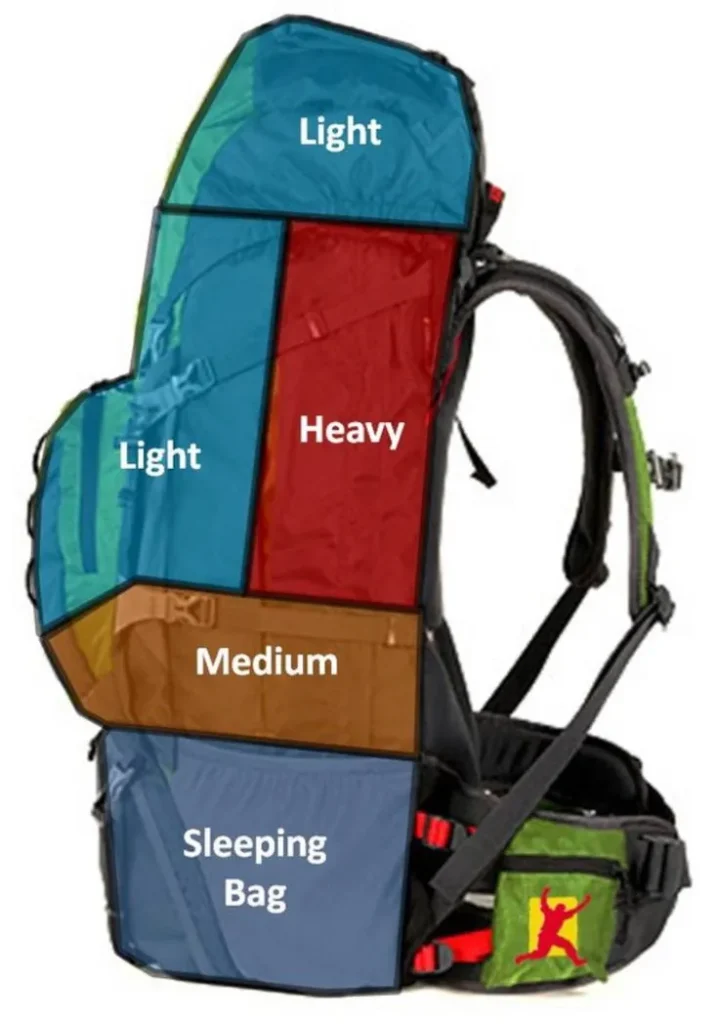
Place heavy items close to your back and near your shoulders. This keeps your balance and reduces strain. Lighter items go at the bottom and far from your back. Spread weight evenly on both sides. Avoid putting too much weight on one side. This prevents back pain and improves walking stability.
Using Packing Cubes And Stuff Sacks
Packing cubes help separate clothes and gear. They keep your backpack tidy and easy to search. Stuff sacks compress bulky items like sleeping bags. This saves space and protects your gear from moisture. Use different colors or labels for quick identification. This saves time during rest stops.
Securing Items For Easy Access
Keep essential items like maps, snacks, and first aid in outer pockets. Use small bags or pouches to group these items. Secure loose straps to avoid snagging on branches. Make sure you can reach important gear without unpacking everything. This saves time and keeps you safe on the trail.
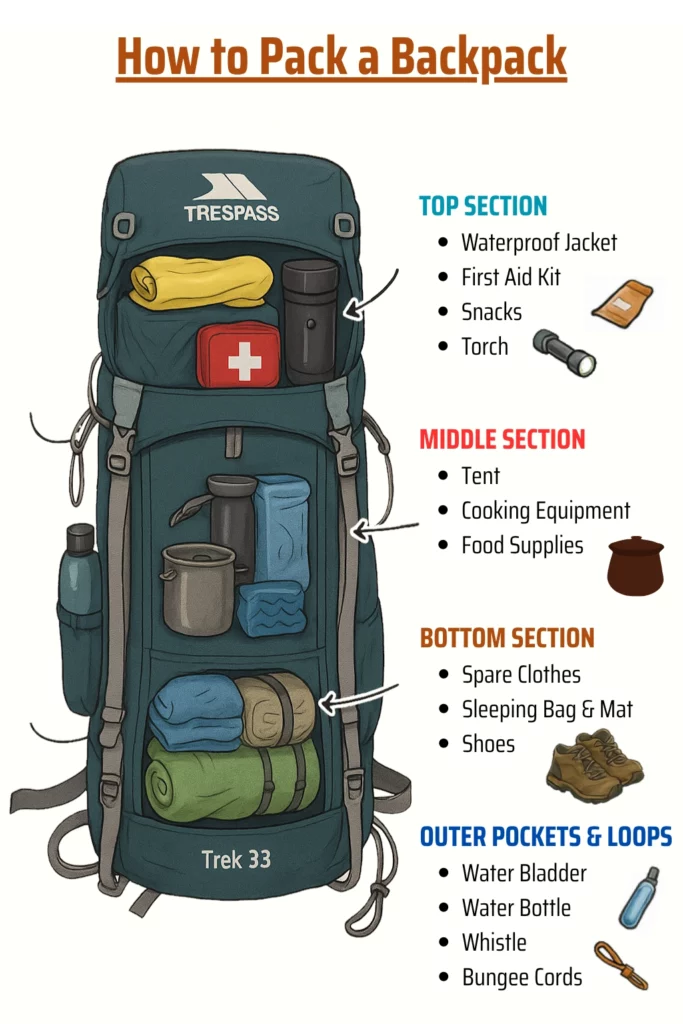
Credit: www.trespass.com
Tips For Light Travel
Packing light makes trekking easier and more fun. Carrying less weight saves energy. It also helps you move faster and enjoy the outdoors more. Smart packing means choosing items that serve many purposes. Leaving out what you do not need keeps your backpack light. Planning clothing carefully helps you stay warm without extra bulk.
Prioritizing Multi-use Items
Choose gear that works in many ways. A scarf can be a towel, sunshade, or pillow. A knife with multiple tools replaces several single items. A jacket with removable layers adapts to changing weather. Multi-use items save space and reduce weight.
Minimizing Non-essentials
Only pack what you truly need. Skip duplicates and items you rarely use. Limit toiletries to small, necessary amounts. Avoid heavy books or bulky gadgets. Every extra item adds to your load. Keep your pack lean and focused on essentials.
Clothing Layering Strategies
Layer clothes to manage temperature easily. Start with a thin, moisture-wicking base layer. Add an insulating middle layer for warmth. Use a waterproof outer layer to stay dry. Layers let you add or remove clothes fast. This method saves space and keeps comfort high.
Maintaining Backpack Balance
Maintaining balance in a trekking backpack makes hiking easier and safer. A well-balanced pack reduces strain on your back and shoulders. It helps you keep steady on rough trails and saves energy for longer hikes.
Focus on how you place items and adjust your pack. Small changes can improve comfort and control while walking.
Centering Heavy Items
Put heavy items close to your spine. Place them near the middle of your back. This position keeps the weight stable and close to your body.
Keep heavy gear like water, food, and cooking tools near the center. Avoid putting heavy things at the top or far from your back.
Adjusting Straps Correctly
Tighten shoulder straps to hold the pack close. Loose straps let the backpack sway and cause imbalance.
Use the hip belt to move weight to your hips. This reduces shoulder pressure and improves stability.
Adjust the load lifter straps to pull the pack upward. This helps keep your center of gravity steady and close.
Checking Balance On The Trail
Stop often to feel how your pack moves. Shift items if the pack feels unsteady or pulls to one side.
Walk on different surfaces to test your balance. Adjust straps and contents as needed for a steady feel.
Regular checks help prevent back pain and improve your hiking comfort.

Credit: seatosummit.com
Preparing For Weather And Terrain
Preparing for weather and terrain is key to a safe and comfortable trek. Your backpack must hold gear that fits the conditions ahead. Different weather and ground types need special care in packing. This helps you stay dry, warm, and steady on your feet.
Packing For Rain And Cold
Keep rain gear easy to reach. A waterproof jacket and pants protect you from wet weather. Pack a rain cover for your backpack to keep everything dry. Cold weather needs warm layers like fleece or down jackets. Store these layers near the top for quick access. Gloves, hats, and extra socks help keep your body heat.
Handling Rough Terrain
Rough paths can slow you down and tire you out fast. Put heavy items close to your back for better balance. Shoes with good grip reduce slips on rocks or mud. Use trekking poles to steady yourself. Pack a first aid kit in an easy spot for quick use. Extra shoe laces and repair tape are useful for unexpected problems.
Adapting Load For Different Conditions
Adjust your load based on the trip length and difficulty. Lighten your pack for steep climbs to save energy. Add more food and water for long, hot days. For cold trips, increase your sleeping gear and warm clothes. Distribute weight evenly to avoid back pain. Keep frequently used items within reach for convenience.
Backpack Care And Maintenance
Taking care of your trekking backpack helps it last longer and stay strong. Proper maintenance keeps the fabric, zippers, and straps working well. Small efforts now avoid big problems later. A clean and well-kept backpack makes every trip easier and safer.
Cleaning Tips
Remove all items before cleaning your backpack. Use a soft brush to remove dirt and dust. Hand wash with mild soap and lukewarm water. Avoid harsh detergents or bleach that damage fabric. Rinse thoroughly to remove soap residue. Let it air dry in shade, not under direct sun. Drying inside out helps prevent mold and odors.
Repairing Damage
Check for tears, loose threads, or broken zippers regularly. Use strong tape or patches for small holes. Sew torn areas with heavy-duty thread to prevent spreading. Replace broken buckles or straps quickly. Fix zippers with lubricant or by realigning teeth. Proper repairs keep your backpack safe and functional.
Storage Between Trips
Store your backpack in a cool, dry place. Avoid damp areas to prevent mold growth. Keep it loosely packed to maintain shape. Do not store near sharp objects that can cause damage. Use a breathable bag or cover to protect from dust. Proper storage prepares your backpack for the next adventure.
Credit: himalayandreamtreks.in
Frequently Asked Questions
How Do I Choose The Right Trekking Backpack Size?
Choose a backpack size based on trip length and load. For day hikes, 20-30 liters works. Multi-day treks need 40-60 liters. Ensure it fits your torso and waist comfortably for better weight distribution and comfort.
What Items Are Essential For Packing A Trekking Backpack?
Pack essentials like water, food, first-aid kit, weather-appropriate clothing, navigation tools, and shelter. Prioritize lightweight, multipurpose gear. Organize items by accessibility and weight to keep your backpack balanced and easy to carry.
How Can I Pack A Trekking Backpack Efficiently?
Place heavy items close to your back and centered. Use compartments and packing cubes to organize gear. Keep frequently used items in outer pockets. Distribute weight evenly to maintain balance and comfort during your trek.
Should I Waterproof My Trekking Backpack?
Yes, waterproofing protects your gear from rain and moisture. Use waterproof backpack covers or pack items in dry bags. This prevents damage and keeps your belongings dry throughout your trek.
Conclusion
Packing a trekking backpack well makes your trip easier and safer. Carry only what you need to stay light. Organize items so you can find them quickly. Keep heavy things close to your back for balance. Remember to protect your gear from rain and dirt.
Practice packing before your trip to save time later. A well-packed backpack helps you enjoy the trail more. Stay prepared, stay comfortable, and enjoy every step.
