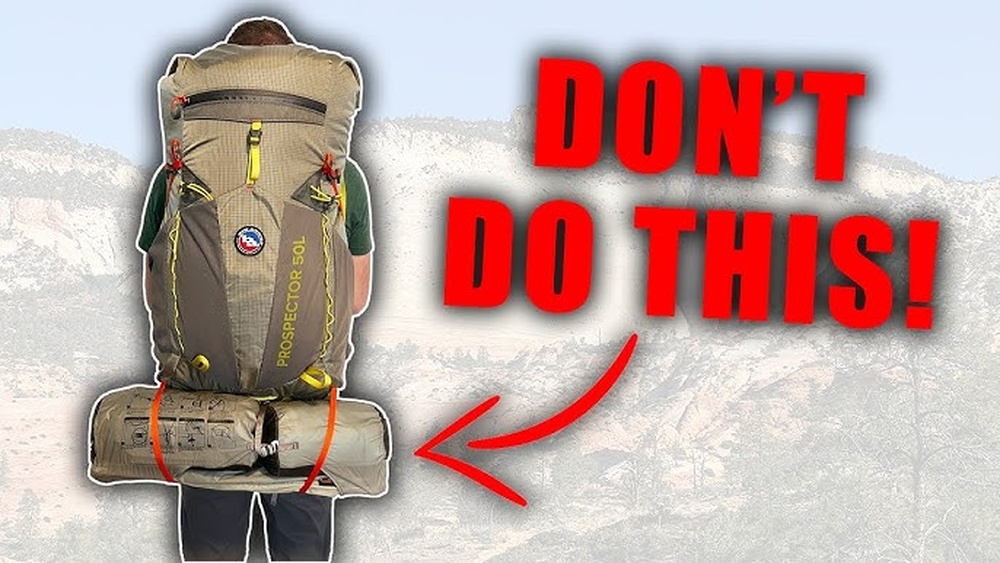
Packing your backpacking tent the right way can make or break your outdoor adventure. Imagine reaching your campsite, tired and ready to relax, only to struggle with a tangled, heavy tent.
You don’t want that. Knowing how to pack your tent efficiently saves space, reduces weight, and makes setup a breeze. You’ll discover simple, proven steps to pack your backpacking tent like a pro—so you can focus on enjoying your trip instead of wrestling with your gear.
Keep reading to learn how to make your backpack lighter and your camping experience smoother.
Credit: hikemuch.com
Choosing The Right Tent
Choosing the right tent is key to a good backpacking trip. It affects your comfort, safety, and how easy it is to carry your gear. Picking a tent that fits your needs helps you enjoy nature without extra stress.
Think about the type of tent, its size, weight, and how it handles weather and terrain. These factors make a big difference in your hiking experience.
Tent Types For Backpacking
There are several types of tents for backpacking. Dome tents are popular for their stability and easy setup. They work well in most conditions. Tunnel tents offer more space but need extra staking. Backpacking tents often use lightweight materials to save weight. Some tents are freestanding, while others need stakes to stay up. Choose a tent that matches your trip style and group size.
Size And Weight Considerations
Size matters for comfort and packing. A tent should fit everyone and their gear without crowding. Look for compact tents that fit into your backpack. Weight is crucial. Heavy tents slow you down and tire you out. Ultralight tents reduce your load but may cost more. Balance size and weight based on your trip length and physical ability.
Weather And Terrain Factors
Weather affects tent choice a lot. For rainy or windy places, pick a tent with strong poles and waterproof fabric. Four-season tents handle cold, snow, and strong winds well. Three-season tents are lighter and suit spring, summer, and fall. Terrain matters too. Rocky or uneven ground needs tents with good staking options. Soft ground may require different stakes. Always check the weather forecast and terrain before packing your tent.
Credit: www.youtube.com
Preparing Your Tent For Packing
Packing your backpacking tent properly starts with good preparation. Taking time to prepare the tent helps protect it and makes packing easier. This step ensures your tent stays in good condition for your next adventure.
Cleaning And Drying
Remove dirt and debris from your tent before packing. Use a soft brush or cloth to clean the fabric gently. Avoid harsh chemicals that can damage the material. Always dry your tent completely to prevent mold and mildew. Set it up or hang it in a shaded, airy spot until fully dry.
Checking For Damage
Inspect the tent fabric for tears or holes. Check zippers and seams for any problems. Look over the tent poles for cracks or bends. Fix small damages with repair kits before packing. This prevents bigger issues on your next trip.
Organizing Tent Components
Sort all tent parts like poles, stakes, and rainfly. Keep small pieces in a separate bag to avoid loss. Fold the tent carefully to save space and reduce wrinkles. Organizing parts makes setup faster and packing smoother later on.
Folding Techniques
Folding techniques are key to packing a backpacking tent efficiently. Proper folding saves space and protects the fabric. It helps keep the tent dry and easy to carry. Small habits make a big difference in tent care. Follow these steps for better folding.
Flattening The Tent Body
Start by spreading the tent on a flat surface. Smooth out all wrinkles and air pockets. Flattening reduces the bulk and makes folding simpler. It also stops dirt from getting trapped. A flat tent body packs tighter and neater.
Rolling Vs. Folding Methods
Rolling keeps the tent compact and prevents creases. It works well for thin, flexible fabric. Folding creates a more even shape for rectangular bags. Pick rolling for less wear and folding for easier packing. Both methods protect your tent if done carefully.
Managing Tent Poles And Stakes
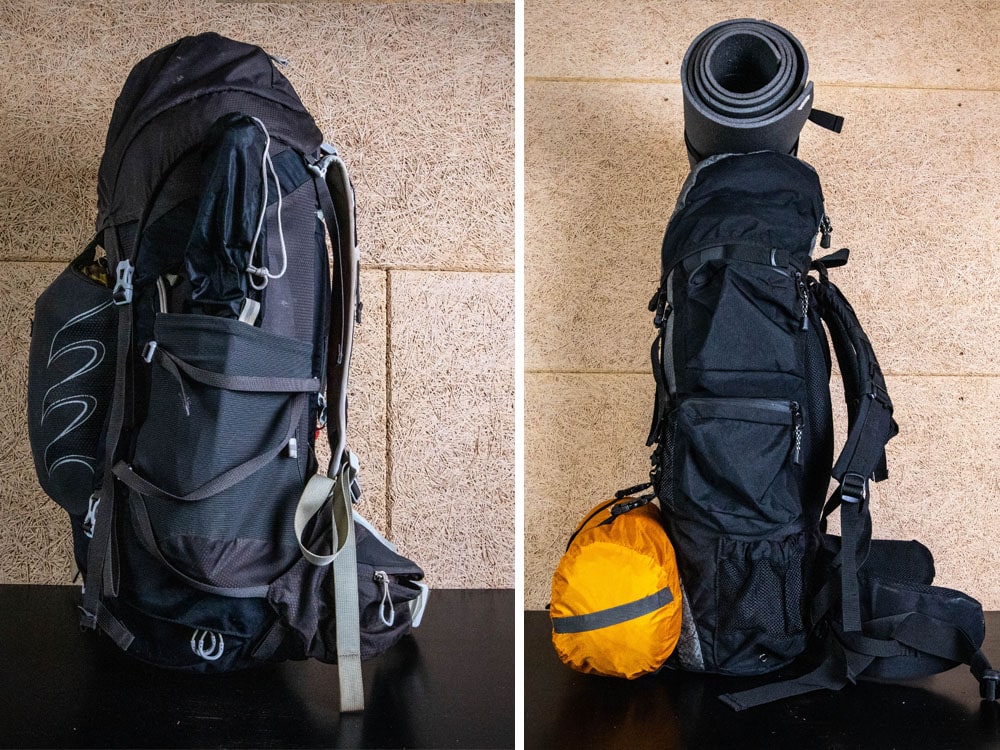
Separate poles and stakes from the tent fabric. Bundle poles to avoid bending or damage. Keep stakes in a small pouch or bag. Carry poles and stakes inside or attach them outside the pack. Organized gear makes setting up faster and safer.
Packing Tips For Efficiency
Packing a backpacking tent properly saves space and makes your trip easier. Efficient packing keeps your gear organized and protected. It also helps you carry your load comfortably. Follow these simple tips to pack your tent smartly.
Using Stuff Sacks And Compression Bags
Stuff sacks keep your tent parts together and neat. Use a separate sack for the tent body, poles, and stakes. Compression bags reduce the volume of bulky tent fabrics. They squeeze out air to save valuable backpack space. Choose lightweight sacks to avoid adding extra weight.
Distributing Weight In Your Backpack
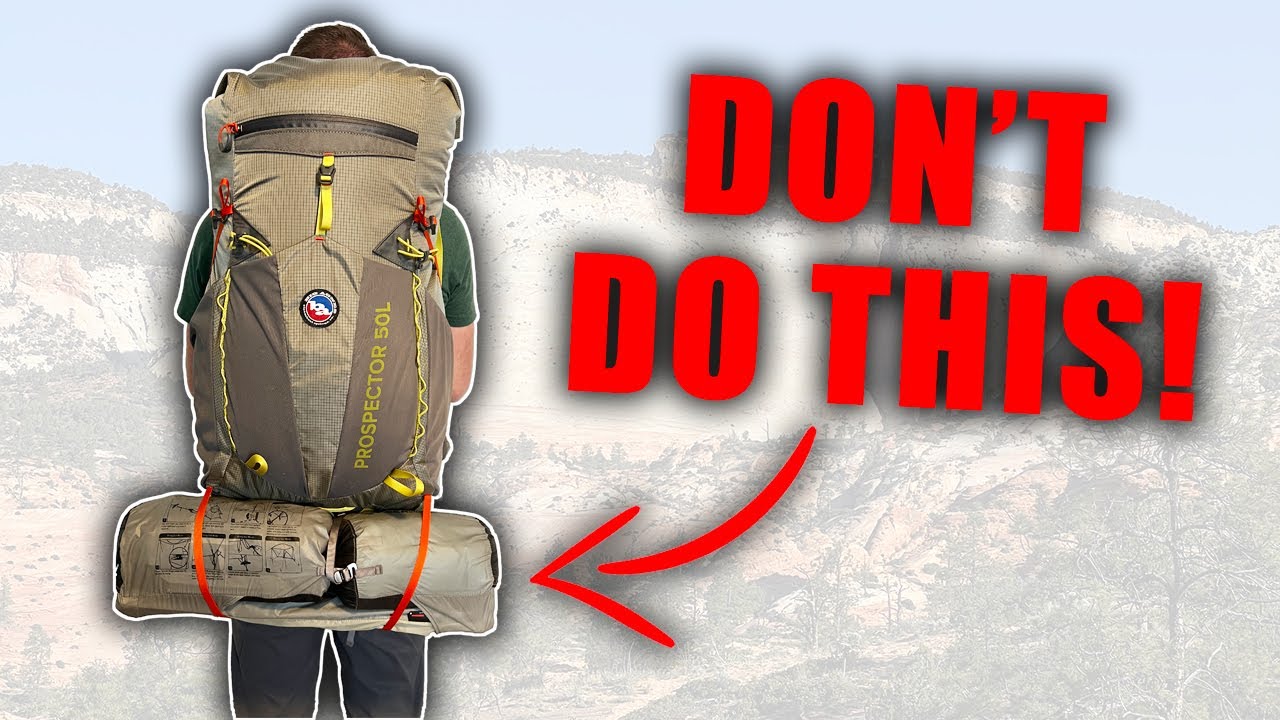
Place heavier items close to your back for better balance. The tent, often light, fits well at the bottom or sides. Avoid placing all weight on one side. Spread your gear evenly to prevent strain. Proper weight distribution makes hiking easier and safer.
Protecting The Tent From Moisture
Keep your tent dry by using a waterproof stuff sack. Store it inside a plastic bag during wet conditions. Avoid packing the tent if it is still wet. Wet fabric adds weight and may cause mold. Dry your tent fully before packing to protect it long-term.
Setting Up Your Tent Quickly
Setting up your tent quickly saves time and energy after a long day of hiking. It lets you rest sooner and enjoy your campsite. Knowing the right steps helps you avoid frustration and errors. Practice and preparation make the process smooth and fast.
Choosing The Campsite
Pick flat ground to keep your tent stable. Avoid low spots that collect water during rain. Look for an area free of rocks and sticks. Check for overhead branches that might fall. Find a spot with some natural wind protection.
Step-by-step Setup
First, lay out your tent footprint or tarp. Unfold the tent and spread it evenly on the ground. Insert the poles carefully and attach them to the tent. Raise the tent and secure the corners with stakes. Tighten the rainfly to keep water out. Double-check all connections and stakes for firmness.
Common Mistakes To Avoid
Do not skip using a footprint or tarp under your tent. Avoid setting up on uneven or rocky ground. Don’t forget to stake the tent corners tightly. Avoid leaving the rainfly loose; it can let rain in. Never ignore checking the tent’s tightness before nightfall.
Maintaining Your Tent On The Trail
Maintaining your tent on the trail is important for a smooth camping experience. Small problems can turn into big issues if you do not care for your tent properly. Simple steps keep your tent strong and ready for the next trip.
Regular Cleaning
Clean your tent after each use. Remove dirt, mud, and debris from the fabric. Use a soft brush or cloth and mild soap with water. Avoid harsh chemicals that can damage the fabric. Let your tent dry completely before packing. This stops mold and bad smells from forming.
Repairing Small Tears
Check for small tears or holes during every trip. Patch them quickly to stop damage from growing. Use a tent repair kit or strong fabric tape. Clean the area around the tear before applying the patch. Fast repairs keep your tent waterproof and safe from bugs.
Proper Storage Between Trips
Store your tent in a dry, cool place. Avoid leaving it in direct sunlight or damp areas. Pack your tent loosely rather than tightly. This keeps the fabric and seams strong. Proper storage helps your tent last for many adventures ahead.

Credit: exploringwild.com
Frequently Asked Questions
How Do I Pack A Backpacking Tent Efficiently?
Start by drying your tent completely to avoid mildew. Fold it neatly along the original seams. Use the tent’s stuff sack to compress it tightly, saving space in your backpack.
What Gear Should I Include With My Backpacking Tent?
Bring tent stakes, a rainfly, a footprint or groundsheet, and repair kit. These items protect your tent and enhance durability in harsh conditions.
How Can I Reduce Tent Weight For Backpacking?
Choose a lightweight tent model made with durable materials. Remove unnecessary parts like extra poles or heavy stakes. Pack only essential accessories to minimize weight.
When Should I Pack My Tent During A Backpacking Trip?
Pack your tent last, ensuring it’s dry and clean. Place it at the bottom or side of your backpack for balanced weight distribution.
Conclusion
Packing a backpacking tent takes practice and patience. Keep your tent clean and dry before packing. Fold it neatly to save space and avoid damage. Use stuff sacks or compression bags for easier carrying. Always pack your tent last for quick access.
These simple steps help protect your gear on every trip. Enjoy your camping adventure with a well-packed tent ready to go.