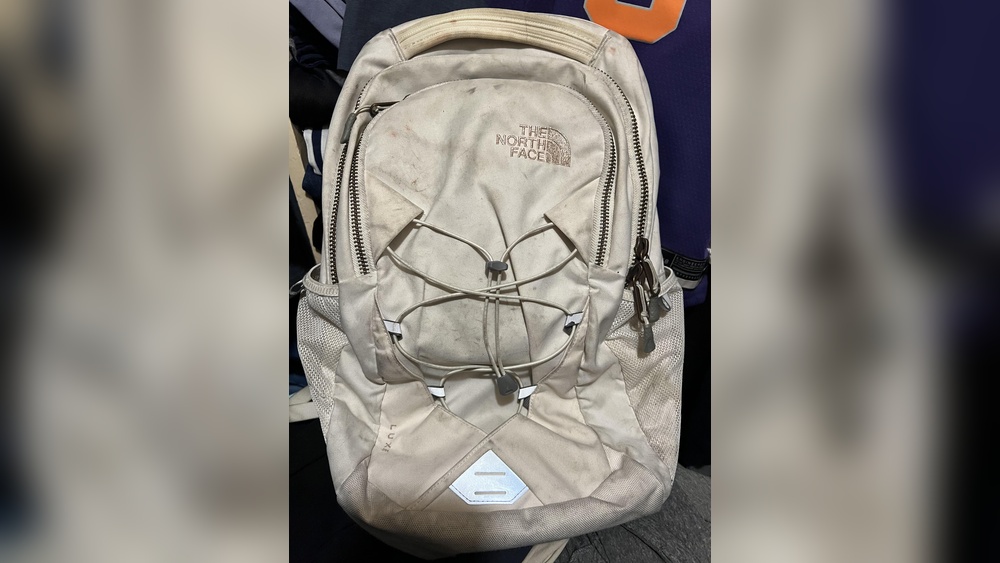
Your white backpack looks great when it’s clean, but keeping it spotless can feel like a challenge. Stains, dirt, and everyday wear can quickly dull its bright look.
You might wonder how to clean your white backpack without damaging it or losing its shape. Don’t worry—this guide will show you simple, effective steps to make your backpack look fresh and new again. Keep reading, and you’ll learn easy tips that save you time and keep your favorite bag looking its best.

Credit: cleanmama.com
Choosing The Right Cleaning Method
Choosing the right cleaning method for your white backpack is important. The wrong method can damage the fabric or leave stains behind. Knowing your backpack’s material and the type of dirt helps you decide the best way to clean it. This saves time and keeps your backpack looking fresh.
Material Matters
Backpacks come in many materials like canvas, nylon, leather, or polyester. Each material needs a different cleaning approach. Canvas and polyester can often handle water and mild soap. Leather requires special cleaners and should not soak in water. Check the care label for any cleaning instructions. Understanding the material helps protect your backpack during cleaning.
Spot Cleaning Vs Full Wash
Spot cleaning targets small stains or marks. Use a soft cloth and gentle cleaner for this. It is quick and saves effort. A full wash is best for heavy dirt or when the backpack smells. Hand washing is safer for most backpacks than machine washing. Choose the method based on how dirty the backpack is. This keeps your bag clean without damage.
Gathering Cleaning Supplies
Cleaning a white backpack needs the right supplies. Using the wrong items can damage the fabric or leave stains. Prepare all your cleaning tools before you start. This saves time and avoids mistakes. Focus on gentle products to keep your backpack bright and fresh.
Gentle Detergents
Choose detergents made for delicate fabrics. Harsh chemicals can fade or weaken the material. Mild liquid soap or baby shampoo works well. Avoid bleach or strong stain removers. These can cause yellowing or damage the backpack’s color.
Soft Brushes And Cloths
Use soft brushes to avoid scratching the fabric. A toothbrush with soft bristles works great for small spots. For larger areas, use a soft cloth or sponge. Avoid rough materials that can cause wear and tear.
Stain Removers
Pick stain removers safe for white fabrics. Test the product on a small hidden area first. This prevents unwanted discoloration. Natural options like baking soda or white vinegar can help lift stains gently. Use sparingly to protect the backpack’s surface.
Prepping Your Backpack
Preparing your white backpack for cleaning is the first important step. This helps remove dirt and dust that can make cleaning harder. Proper prep protects the fabric and keeps the backpack looking fresh.
Follow simple steps to get the backpack ready. These steps make cleaning more effective and quick.
Emptying And Shaking Out Debris
Start by taking everything out of the backpack. Check all pockets and compartments. Small items like coins or crumbs can hide inside.
Once empty, turn the backpack upside down. Shake it gently to remove loose debris. This removes dust, crumbs, and small dirt pieces. A clean inside means better washing results.
Removing Loose Dirt
Use a soft brush or dry cloth to wipe the backpack’s outside. Brush off any loose dirt or dust from the surface. Pay extra attention to seams and zippers.
Cleaning loose dirt now stops it from spreading during washing. This step keeps the fabric safe and helps the backpack stay white.
Spot Cleaning Stubborn Stains
Stubborn stains on a white backpack can ruin its fresh look quickly. Spot cleaning helps target these stains without washing the whole bag. This method saves time and protects the fabric.
Use gentle techniques to treat tough marks. Always test cleaning products on a small area first. Work carefully to avoid spreading the stain further.
Treating Ink And Pen Marks
Ink stains can be tricky and need fast action. Dab the spot with rubbing alcohol on a cotton ball. Do not rub hard; gently blot the stain. Repeat until the ink starts to lift. Use a clean cloth to remove excess liquid. Let the area dry naturally.
Handling Food And Drink Stains
Food and drink spills are common on backpacks. Remove any solid pieces carefully with a dull knife. Mix mild soap with warm water. Use a soft cloth to dab the stained area. Blot softly until the stain fades. Avoid scrubbing to protect the fabric. Rinse with a damp cloth and air dry.
Dealing With Mud And Dirt
Wait for mud to dry before cleaning. Gently brush off dry dirt with a soft brush. Prepare a solution of water and mild detergent. Use a sponge to apply the solution to the stain. Blot gently to lift dirt from the fabric. Rinse the sponge and wipe away soap residue. Allow the backpack to dry outside but away from direct sun.
Washing Techniques
Cleaning a white backpack needs careful washing techniques. White fabric shows dirt easily. Proper washing keeps it bright and fresh. Choose the right method for your backpack’s material. Both hand washing and machine washing work well. Follow safe drying steps to avoid damage.
Hand Washing Steps
Fill a basin with lukewarm water. Add a small amount of mild detergent. Submerge the backpack and gently scrub with a soft cloth. Pay attention to stained areas. Use a soft brush for tough spots. Rinse thoroughly with clean water. Avoid wringing to protect the fabric. Let it drip dry in a shaded area.
Machine Washing Tips
Check the backpack’s care label first. Use a gentle cycle and cold water. Place the backpack inside a pillowcase or laundry bag. This protects straps and zippers. Use mild detergent and avoid bleach. Remove loose dirt before washing. Run a quick rinse cycle to remove soap. Do not overload the machine for best results.
Drying Safely
Never use a dryer for white backpacks. Heat can damage the fabric and shape. Hang the backpack upside down to dry. Choose a well-ventilated, shaded spot. Avoid direct sunlight to prevent yellowing. Stuff the backpack with paper towels. This helps keep its shape while drying. Allow full drying before use or storage.
Maintaining Brightness Over Time
Keeping a white backpack bright can be a challenge. Dirt, stains, and daily wear dull its look. Brightness fades over time without care. Simple habits keep your backpack fresh and clean. Small efforts help maintain its bright color. Follow easy steps to protect your backpack’s shine.
Regular Cleaning Habits
Clean your backpack often to avoid dirt build-up. Use a soft brush or cloth to remove dust. Spot clean stains quickly with mild soap and water. Avoid harsh scrubbing that can damage fabric. Let your backpack dry completely before use. Regular care stops stains from setting in.
Protective Sprays And Treatments
Use protective sprays made for fabric backpacks. These sprays block stains and water damage. Apply spray evenly and let it dry well. Reapply every few weeks for best results. Protective treatments keep your backpack looking new longer. Choose sprays safe for white materials.
Storage Tips To Prevent Dirt
Store your backpack in a clean, dry place. Avoid floors or dusty areas. Use a dust bag or pillowcase for extra protection. Keep straps and zippers loose to avoid creases. Proper storage prevents dirt and stains. It also helps the backpack keep its shape.
Dealing With Persistent Odors
Persistent odors can make your white backpack unpleasant to use. These smells often come from sweat, food, or dampness trapped in the fabric. Removing these odors helps keep your backpack fresh and clean. Simple steps can make a big difference. Here are some ways to handle stubborn smells effectively.
Natural Deodorizing Solutions
Baking soda is a great natural deodorizer. Sprinkle it inside your backpack and leave it overnight. It absorbs bad smells well. You can also use white vinegar diluted with water. Spray lightly and let the backpack air dry. Another option is placing activated charcoal bags inside. They trap odors without chemicals. Fresh air and sunlight also help reduce smells. Leave your backpack outside for a few hours. These methods are safe and eco-friendly.
When To Use Commercial Odor Removers
Some odors may not disappear with natural solutions. Strong smells from mold or smoke might need stronger products. Look for odor removers made for fabrics. Follow the instructions carefully to avoid damage. Use sprays or powders designed for backpacks or clothes. Test on a small area first. Avoid harsh chemicals that can weaken the fabric or fade colors. Commercial removers work best on tough, persistent odors.
Credit: www.reddit.com
Credit: shoezero.com
Frequently Asked Questions
How Do I Remove Stains From A White Backpack?
Use a gentle detergent mixed with warm water. Apply with a soft cloth and gently scrub. Avoid harsh chemicals to prevent fabric damage. Rinse with clean water and air dry completely.
Can I Machine Wash My White Backpack Safely?
Check the care label first. Most fabric backpacks can be machine washed on a gentle cycle. Use cold water and mild detergent. Place the backpack in a pillowcase or laundry bag to protect it.
What Is The Best Way To Dry A White Backpack?
Avoid direct sunlight to prevent yellowing. Air dry the backpack in a well-ventilated area. Do not use a dryer as heat may damage the fabric and zippers.
How Often Should I Clean My White Backpack?
Clean your backpack every few weeks or when visibly dirty. Regular cleaning prevents stains and keeps it looking fresh. Spot clean small stains immediately to avoid permanent marks.
Conclusion
Cleaning a white backpack does not have to be hard. Use gentle soap and soft brushes for best results. Treat stains quickly to keep the backpack bright. Always let it dry in fresh air. Regular care helps your backpack look new longer.
Simple steps can keep your white backpack clean and fresh. Try these easy tips to protect your favorite bag. A clean backpack makes every day better.