Imagine waking up every day with a new horizon ahead of you, the freedom to explore America’s most stunning landscapes at your own pace. Backpacking across America isn’t just a trip—it’s an adventure that changes how you see the world and yourself.
If you’ve ever dreamed of hitting the road, meeting new people, and discovering hidden gems beyond the usual tourist spots, this guide is made for you. Ready to learn how to plan your route, pack smart, and stay safe while making unforgettable memories?
Keep reading, and let’s turn your dream into reality.
Choosing Your Route
Choosing your route is one of the most important steps in backpacking across America. The path you take shapes your entire journey. It affects your experience, safety, and enjoyment. Careful planning helps you find a route that fits your skills and interests.
Think about what you want to see and how hard you want the hike to be. Each route offers different views, challenges, and weather. Knowing these details helps you prepare well.
Popular Trails And Paths
Many backpackers choose famous trails like the Appalachian Trail, Pacific Crest Trail, or Continental Divide Trail. These routes have marked paths and many resources for hikers. They pass through forests, mountains, and small towns. Each trail has its own style and community of hikers.
Besides these big trails, smaller paths offer unique views and less crowded experiences. National parks and state parks also have great options for backpackers.
Considering Weather And Seasons
Weather changes can make hiking easier or harder. Summer is warm but can be very hot in some areas. Winter brings snow and cold, especially in mountains. Spring and fall often have mild weather and fewer bugs.
Check the weather trends of your route before you go. Rain and storms can slow you down or make trails unsafe. Plan your trip in a season that matches your comfort and skill level.
Balancing Distance And Difficulty
Longer routes take more time and energy. Shorter routes are quicker but may have steep climbs or rough paths. Choose a distance that fits your fitness and time available.
Some trails are flat and easy, while others have many hills and rough terrain. Start with a trail that matches your hiking experience. This balance keeps your trip fun and safe.
Packing Essentials
Packing the right gear is key to a smooth backpacking trip across America. Carry only what you truly need. Light packs make long walks easier. Every item should serve a clear purpose. Think about comfort, safety, and convenience.
Start with essentials that cover basics like shelter, food, and navigation. Choose gear that fits your route and weather conditions. Stay prepared for changes in weather and terrain. Organize your items for quick access. Proper packing helps you enjoy your journey more.
Backpack Selection Tips
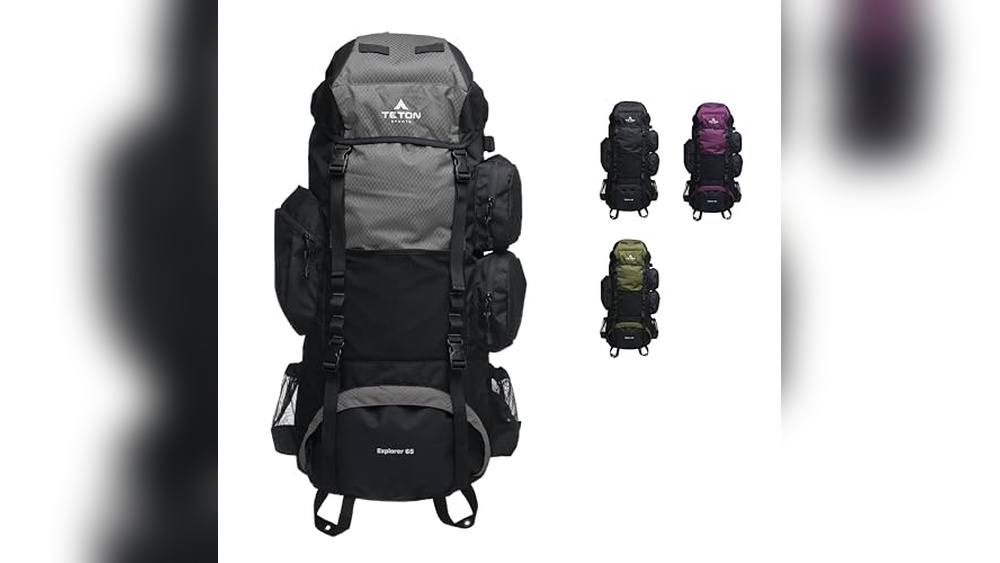
Pick a backpack that fits your body well. Try it on with weight inside before buying. Look for padded shoulder straps and a waist belt. These reduce strain and improve balance. Choose a size that matches your trip length. Around 40-60 liters works for most trips. Check for waterproof or water-resistant material. This keeps your gear dry during rain. Multiple pockets help keep items organized.
Clothing And Footwear
Pack lightweight, quick-dry clothes. Layering helps adjust to temperature changes. Include a moisture-wicking base layer and insulating mid-layer. A waterproof jacket is a must. Bring extra socks to keep feet dry. Choose sturdy, broken-in hiking boots. Comfortable shoes prevent blisters and injuries. Avoid cotton; it stays wet and cold. Hats and gloves protect against sun and cold.
Camping Gear Must-haves
Bring a lightweight tent or hammock with rainfly. A sleeping bag rated for expected temperatures is vital. Use a sleeping pad for comfort and insulation. Portable stove and fuel allow you to cook meals. Carry a durable water bottle or hydration system. Water purification tablets or filters ensure safe drinking water. A small first aid kit can handle minor injuries. Pack a headlamp or flashlight with extra batteries.
Tech And Navigation Tools
Smartphones with offline maps help guide your path. A GPS device offers reliable location tracking. Carry a power bank to recharge devices. A compass is a simple backup navigation tool. Download trail apps before your trip. Bring a watch to keep track of time. Keep all tech gear in waterproof cases. These tools keep you safe and on course.
Planning Your Budget
Planning your budget is one of the most important steps before backpacking across America. It helps you avoid running out of money during your trip. A clear budget lets you enjoy your journey without stress. You can decide how much to spend daily on food, lodging, and travel. Start by estimating your daily costs. Then find ways to save money on food. Finally, choose affordable accommodation options that fit your budget.
Estimating Daily Costs
Estimate how much money you need each day. Include food, lodging, transport, and activities. Check prices online for cities you plan to visit. Add a small amount for emergencies and extras. This gives you a clear idea of your daily budget.
Saving Money On Food
Food can take a big part of your budget. Buy groceries and cook your meals when possible. Street food and food trucks offer tasty and cheap options. Avoid eating at expensive restaurants every day. Carry snacks to save money between meals.
Affordable Accommodation Options
Look for hostels, motels, and budget hotels. Camping is a good choice if you have gear. Use apps to find cheap or shared rooms. Staying with locals through home-sharing sites can save money. Book in advance to get the best prices.
Staying Safe On The Road
Traveling across America by backpack is exciting and full of adventure. Safety is the top priority on the road. Careful planning helps avoid many risks. Being aware of your health, nature, and emergency options keeps you secure. Stay alert and prepared every step of the way.
Health And First Aid
Carry a basic first aid kit. Include bandages, antiseptic wipes, pain relievers, and allergy medicine. Drink plenty of water to stay hydrated. Take breaks to rest your body. Watch for signs of heat exhaustion or cold exposure. Keep your vaccinations up to date before the trip.
Wildlife And Environment Awareness
Know the animals you might meet. Keep a safe distance from wildlife. Store food securely to avoid attracting animals. Stay on marked trails to protect nature and yourself. Learn about local plants; some can cause allergies or rashes. Be cautious near rivers and cliffs.
Emergency Contacts And Backup Plans
Save emergency numbers on your phone and write them down. Tell someone your route and check-in times. Have a backup plan for bad weather or injuries. Carry a portable charger for your phone. Know the locations of nearby hospitals and ranger stations. Stay calm and follow your plan if problems arise.
Finding Food And Water
Finding food and water is a top priority while backpacking across America. Without good planning, hunger and thirst can stop your adventure fast. Knowing where to get supplies and how to treat water keeps you safe and strong. Carrying light gear and cooking simple meals saves energy and time. The right skills make your journey easier and more enjoyable.
Resupplying Strategies
Plan your food stops ahead. Many towns and stores lie along popular trails. Carry enough food to reach the next resupply point. Choose lightweight, high-energy snacks like nuts, dried fruit, and jerky. Freeze-dried meals are easy to pack and cook. Use local markets for fresh produce and bread. Mail food packages to post offices near your route. This method helps you carry less weight and eat fresh food.
Water Purification Methods
Water from streams and lakes needs cleaning. Carry a small water filter or purification tablets. Boiling water for at least one minute kills germs. UV light purifiers are compact and effective. Always check water sources before drinking. Avoid stagnant water or places with animal waste. Drink often to stay hydrated, especially in hot weather. Clean water prevents sickness and keeps you energized.
Cooking Tips For Backpackers
Use a lightweight stove for quick meals. Choose simple recipes with few ingredients. Cook foods that do not need long boiling times. Dehydrate meals at home to save weight and time. Carry a small pot and a spork for cooking and eating. Clean your cooking gear to avoid animals and bugs. Eating warm meals boosts morale and helps recover energy.
Managing Physical And Mental Health
Backpacking across America is a big challenge for both body and mind. Taking care of your physical and mental health is very important. Strong health helps you enjoy the journey more and face obstacles with confidence. This section gives tips to keep your body safe and your mind calm during the trip.
Preventing Injuries
Choose good shoes that fit well and support your feet. Walk on soft ground when possible to protect your joints. Take breaks often to rest and stretch muscles. Carry a first-aid kit for small cuts or blisters. Drink plenty of water to stay hydrated and avoid cramps. Listen to your body and do not push too hard.
Dealing With Loneliness
Meet other travelers on the road or in hostels. Use a journal to write down your thoughts and feelings. Call family or friends to hear familiar voices. Join local groups or events to feel connected. Find quiet time to enjoy nature and your own company. Remember, feeling lonely is normal on long trips.
Maintaining Motivation
Set small goals for each day or week. Celebrate simple successes like reaching a town or trail milestone. Keep photos or notes of your journey to remind you why you started. Think about the stories you will tell after the trip. Change your route or activities to keep things fresh. Stay positive and focus on your progress.
Navigating And Staying Connected
Navigating and staying connected are key parts of backpacking across America. Knowing where you are and how to get to your next stop keeps your trip safe and fun. Staying in touch with friends or family helps you feel secure and share your adventure.
Technology helps, but sometimes it fails. Being ready with old-school skills is smart. Let’s explore ways to find your way and stay connected on the road.
Using Maps And Apps
Smartphones have many map apps for hikers. Apps like Google Maps and AllTrails show trails and roads. They help find nearby services and camp spots. Some apps track your route and give weather updates. Always download maps before leaving Wi-Fi. This saves battery and works offline.
Offline Navigation Techniques
Carry a paper map and a compass as backup. Learn how to read them well before your trip. Mark your route on the map with a pencil. Use landmarks like rivers and mountains to stay on track. Practice pacing to estimate distance traveled. These skills help when technology stops working.
Staying In Touch With Loved Ones
Keep a phone with a good signal range. Use apps for messaging or calling over Wi-Fi. Share your location regularly with family or friends. Set check-in times to update them on your status. Carry a portable charger to keep devices powered. Communication adds safety and peace of mind.
Documenting Your Journey
Documenting your journey is a key part of backpacking across America. It helps keep memories alive and share your adventure with others. Writing down experiences, taking photos, and sharing stories can make your trip more meaningful. It also inspires others to explore and travel.
Capturing moments well takes simple skills. Writing regularly keeps your thoughts clear. Sharing your journey online connects you with fellow travelers. Each method adds a unique touch to your travel story.
Photography And Videography Tips
Use a small camera or smartphone for easy carrying. Take photos during golden hours—early morning or late afternoon. These times have soft, warm light. Focus on landscapes and local people to tell your story. Keep videos short and steady. A tripod or selfie stick helps. Capture sounds and conversations to add life. Review your shots daily to avoid missing moments.
Journaling And Blogging
Write daily or every few days. Note places, feelings, and new friends. Use simple words and short sentences. Describe sights, sounds, and smells around you. Include challenges and funny moments. Blogging helps organize your thoughts and reach readers. Use clear headings and pictures to keep readers interested. Update your blog regularly to build an audience.
Sharing Stories On Social Media
Choose one or two platforms to focus on. Post photos, short videos, and quick updates. Write captions that explain your experience briefly. Engage with followers by answering comments. Use stories or live videos for real-time sharing. Avoid long posts; keep content easy to read. Sharing helps connect with other travelers and friends. It also creates a digital diary of your trip.
Frequently Asked Questions
What Are Essential Items For Backpacking Across America?
Pack lightweight clothing, sturdy shoes, a reliable tent, and a first aid kit. Include a map, water purifier, and portable charger for convenience and safety.
How To Plan A Budget For Backpacking Across America?
Estimate costs for food, accommodation, transport, and emergencies. Use apps to find affordable stays and cook meals to save money.
Which Routes Are Best For Backpacking Across America?
Popular routes include the Appalachian Trail, Pacific Crest Trail, and Route 66. Choose based on your fitness, interests, and time availability.
How To Stay Safe While Backpacking Across America?
Stay aware of your surroundings, inform someone of your plans, and carry a whistle. Avoid risky areas and trust your instincts.
Conclusion
Backpacking across America offers freedom and adventure. Plan your route and pack light for comfort. Stay safe by following local rules and trusting your instincts. Meet new people and enjoy nature’s beauty along the way. Challenges will come, but they make the journey worth it.
Take time to rest and appreciate each moment. Every step brings a new story to tell. This trip can change how you see the world. Ready to start your own adventure? The road is waiting.