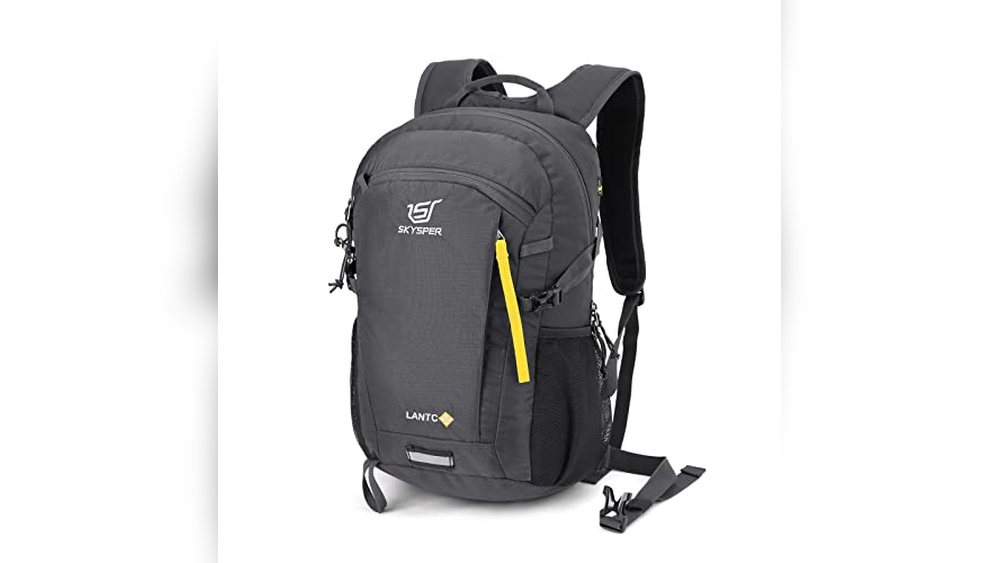
Packing clothes for backpacking can feel overwhelming. You want to bring everything you need but avoid carrying a heavy load that slows you down.
How do you strike the perfect balance? Imagine having a simple, clear plan that helps you pack smartly and comfortably. In this guide, you’ll discover practical tips and insider tricks to organize your clothes efficiently. By the end, you’ll feel confident that your backpack holds just the right items—nothing more, nothing less.
Ready to make packing a breeze? Let’s dive in.
Choosing The Right Clothes
Packing clothes for backpacking needs careful thought. The right clothes keep you comfortable and save space in your pack. Choose clothes that fit the weather and activities planned. Think about weight, fabric, and how fast clothes dry. These factors make a big difference on the trail.
Opt For Lightweight Fabrics
Lightweight fabrics reduce the weight you carry. They also take up less space in your backpack. Look for materials like nylon or thin polyester. These fabrics are easy to pack and move around in. Avoid heavy cotton, which can be bulky and slow to dry.
Prioritize Versatile Pieces
Pick clothes that work for many situations. A shirt that fits both hiking and camp is a good choice. Neutral colors match other clothes easily. Choose layers you can add or remove. This saves space and keeps you ready for changing weather.
Select Quick-drying Materials
Quick-drying clothes help you stay dry and comfortable. They prevent chills after rain or sweat. Synthetic fabrics like polyester and merino wool dry fast. Avoid cotton because it stays wet longer. Fast drying means you can wash and reuse clothes easily.
Packing Techniques
Packing techniques help you fit more clothes in your backpack. They keep clothes neat and reduce wrinkles. Good methods save space and make your backpack lighter. Use these simple ways to pack smart and travel easier.
Rolling Clothes To Save Space
Rolling clothes is a popular way to save space. Roll each item tightly to make it compact. This method fits more clothes in small spaces. It also helps stop wrinkles from forming. Roll t-shirts, pants, and even underwear for best results.
Using Compression Bags
Compression bags squeeze clothes into small bundles. Put your clothes inside and push out the air. These bags reduce volume and protect clothes from moisture. They work well for bulky items like jackets or sweaters. Compression bags keep your backpack organized and tidy.
Bundle Packing Method
The bundle packing method wraps clothes around a core. Place small items in the center and wrap larger ones outside. This technique lowers wrinkles and saves space. It helps balance weight evenly in your backpack. Bundle packing keeps clothes neat and easy to find.
Organizing Your Backpack
Organizing your backpack is key to a smooth backpacking trip. A well-arranged bag saves time and reduces stress. It helps you find clothes fast and keeps your gear neat. Proper organization also balances the weight, making the bag easier to carry. Planning how to pack your clothes can make a big difference in your trip experience.
Create Packing Cubes
Packing cubes keep clothes tidy and compact. Use different cubes for different types of clothes. They prevent clothes from shifting inside your backpack. Cubes make it easy to unpack and repack quickly. Choose lightweight cubes that fit well in your bag.
Separate By Clothing Type
Group clothes by type for easy access. Keep shirts, pants, and underwear in separate sections. This method helps you grab what you need fast. It also avoids mixing clean and dirty clothes. Organizing by type keeps your backpack orderly.
Keep Essentials Accessible
Place important clothes and items where you can reach them fast. Put rain gear and layers on top or near the zipper. Keep socks and underwear in an easy spot. This saves time when the weather changes or at the end of the day.
Maximizing Space With Accessories
Packing for backpacking needs smart use of space. Accessories can help save room and keep things organized. Using small tricks with your gear makes your backpack lighter and easier to carry. This section shows how to use accessories to pack clothes efficiently.
Stuffing Shoes And Hats
Shoes take up a lot of space. Fill them with socks, underwear, or small clothes. This keeps shoes firm and saves room. Hats can also hold light items inside. Use soft hats to store gloves or scarves. This method helps keep your pack neat.
Utilizing Every Nook
Every corner of your backpack counts. Roll clothes tightly to fit in gaps. Place smaller items in side pockets or inside jackets. Use packing cubes or dry bags to separate items. This keeps things compact and easy to find.
Minimizing Bulky Items
Choose clothes that fold small and dry fast. Avoid heavy fabrics like denim or thick sweaters. Use thin layers that keep you warm. Compress bulky items with compression sacks. This reduces their size and frees up space for essentials.
Laundry Tips On The Trail
Laundry on the trail can be a challenge. Keeping clothes clean and fresh helps you stay comfortable. Washing and drying clothes properly saves space and weight in your backpack. Follow these laundry tips to make your trip easier and more enjoyable.
Choosing Clothes For Easy Washing
Pick clothes made from quick-dry fabrics like nylon or polyester. Avoid cotton because it takes long to dry and holds water. Lightweight clothes use less water and dry faster. Dark colors hide dirt better than light colors. Bring fewer clothes but choose pieces that wash easily by hand.
Drying Clothes Efficiently
After washing, squeeze out excess water gently. Use a microfiber towel to soak up extra moisture. Hang clothes in direct sunlight or on a warm, breezy spot. Avoid folding or bunching clothes to help air flow. Drying clothes fully prevents bad smells and mildew.
Managing Odors And Freshness
Use small amounts of biodegradable soap for washing. Rinse clothes well to remove soap residue. Store dirty clothes in a separate bag to limit smells. Air out clothes daily if you cannot wash them. Sprinkle baking soda lightly to reduce odors during your hike.
Frequently Asked Questions
How Many Clothes Should I Pack For Backpacking?
Pack lightweight, versatile clothes for 3-5 days. Choose moisture-wicking and quick-dry fabrics. Layering helps adapt to weather changes. Avoid overpacking to save space and weight.
What Are The Best Fabrics For Backpacking Clothes?
Choose synthetic fabrics like polyester and nylon. Merino wool is great for odor control and warmth. Avoid cotton as it retains moisture and dries slowly.
How Can I Save Space When Packing Clothes?
Roll clothes tightly to minimize wrinkles and save space. Use compression bags or packing cubes for better organization. Prioritize multi-use clothing items.
Should I Pack Separate Clothes For Sleeping?
Yes, pack lightweight, comfortable sleepwear. It keeps you warm and clean during rest. Choose breathable fabrics to avoid overheating at night.
Conclusion
Packing clothes for backpacking takes smart choices and careful planning. Choose lightweight, versatile items that fit your trip. Roll clothes to save space and prevent wrinkles. Use packing cubes or bags to stay organized. Keep weather and activities in mind when selecting clothes.
Remember, less is more on the trail. A well-packed backpack makes your journey easier and more fun. Start packing with these tips, and enjoy your adventure. Simple steps lead to great travel experiences.