Packing a carry-on backpack for your flight can feel tricky. You want to bring everything you need without carrying too much.
What if you forget something important or make your bag too heavy? Don’t worry—this guide will show you how to pack smart and light. By the end, you’ll know exactly what to bring, how to organize it, and how to stay comfortable during your trip.
Ready to make your travel easier and stress-free? Let’s get started.
Choosing The Right Backpack
Choosing the right backpack is the first step to smart travel. It affects how much you can carry and how comfortable you feel during your trip. A good backpack fits the airline rules and keeps your things safe and organized. Pick a backpack that suits your travel style and needs.
Size And Weight Limits
Airlines set rules for carry-on size and weight. Pick a backpack that meets these limits. A bag too big may not fit in overhead bins. Too heavy can slow you down. Check the airline website for exact size and weight limits.
Material And Durability
Choose a backpack made of strong, water-resistant material. Nylon and polyester are good choices. They protect your items from rain and rough handling. Reinforced seams and sturdy zippers add extra strength. A durable backpack lasts many trips.
Organization Features
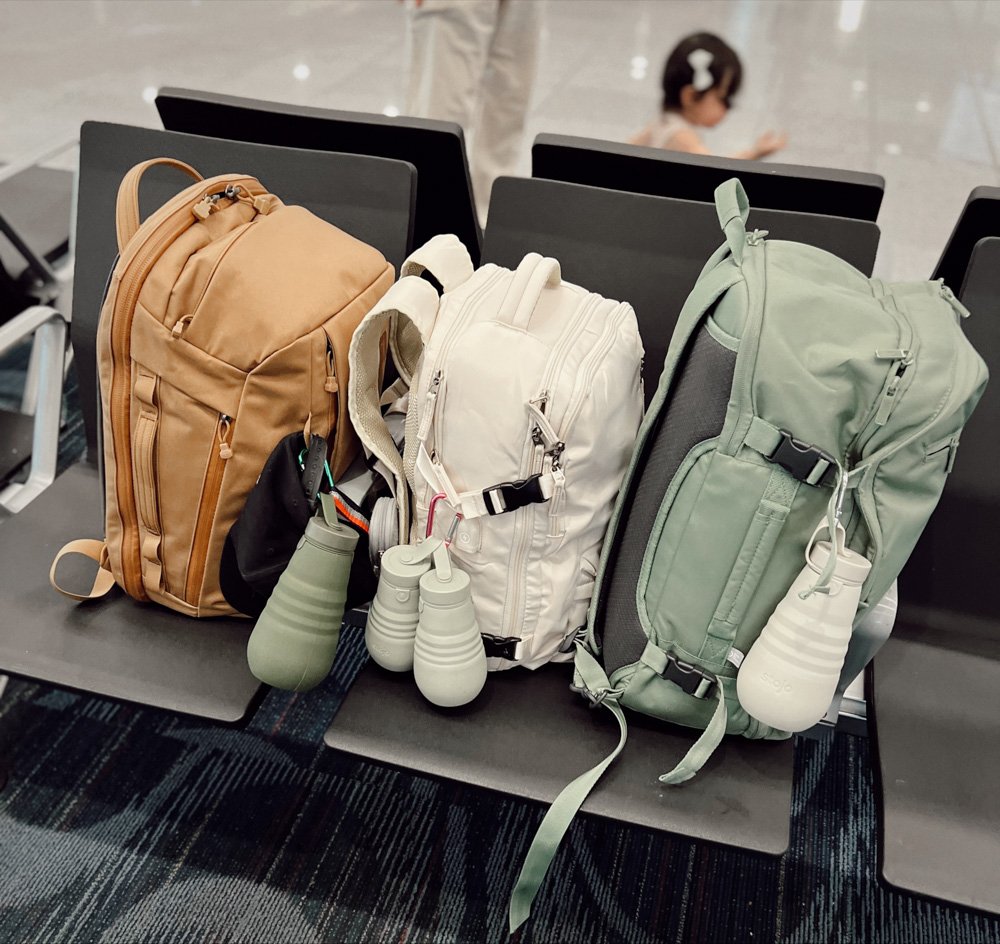
Look for a backpack with many pockets and compartments. Separate spaces help keep your items tidy. Padded laptop sleeves protect electronics. Small pockets store chargers, keys, and documents. Easy access to essentials saves time at the airport.
Credit: www.tinycanalcottage.com
Essential Packing List
Packing a carry-on backpack requires smart choices. The right items make your trip smooth and stress-free. Focus on essentials that fit well and serve multiple purposes. This list keeps your backpack light and organized.
Clothing Basics
Choose clothes that mix and match easily. Pack two to three tops and bottoms. Pick lightweight fabrics that dry fast. Include a jacket for cool weather. Don’t forget comfortable underwear and socks. Roll clothes to save space and avoid wrinkles.
Toiletries And Personal Items
Bring travel-sized toiletries to meet airline rules. A toothbrush, toothpaste, and deodorant are must-haves. Add a small comb or brush. Pack only essential skincare products. Use clear bags to keep items tidy and visible.
Tech Gadgets And Accessories
Carry your phone, charger, and headphones. A power bank helps keep devices charged. Include adapters if traveling abroad. Store gadgets in a small pouch for easy access. Avoid bulky items to save space.
Packing Techniques
Packing techniques can make a big difference when using a carry-on backpack for a plane trip. Good methods help save space and keep items organized. This way, you can fit everything you need without overpacking. Small changes in how you pack clothes and gear can ease your travel experience.
Focus on smart folding, using packing cubes, and space-saving tricks. These tips help fit more in your backpack. They also make it easier to find your things quickly during travel.
Rolling Vs Folding Clothes
Rolling clothes saves space better than folding. It also reduces wrinkles. Roll shirts, pants, and light fabrics tightly. This method creates compact bundles that fit well. Folding works for thicker items like sweaters. It helps keep their shape. Choose rolling for most clothes. Use folding for bulky pieces to keep balance.
Using Packing Cubes
Packing cubes organize clothes by category. They keep similar items together. Cubes compress clothes and save space. They make unpacking fast and easy. Use different cubes for shirts, underwear, and gadgets. Transparent cubes help spot items quickly. They also protect clothes from spills or dirt. Packing cubes make your backpack neat and tidy.
Maximizing Space Efficiently
Fill every gap inside your backpack. Stuff socks and small items inside shoes. Place heavier items at the bottom for balance. Use side pockets for chargers and cables. Keep essentials in an easy-to-reach spot. Use compression bags for bulky clothes. Layer items by size to avoid wasted space. Think about packing like a puzzle. Every inch counts in a carry-on backpack.

Credit: aglobewelltravelled.com
Smart Organization Tips
Packing a carry-on backpack needs smart organization to save space and avoid mess. Good organization helps you find things fast and keeps your bag light. Small habits make a big difference in your travel experience.
Separating Clean And Dirty Clothes
Use separate bags for clean and dirty clothes. A small laundry bag or plastic bag works well. It keeps dirt away from fresh clothes. This separation saves time when unpacking. It also stops smells from mixing.
Storing Liquids Safely
Place liquids in clear, sealable bags. Use travel-sized bottles to fit rules and save space. Seal bottles tightly to avoid spills. Store these bags where you can reach them easily. This prevents mess and speeds up security checks.
Quick Access Items
Keep essential items in easy-to-reach pockets. Items like your passport, phone, and wallet should be close. This saves time at the airport or on the plane. Avoid digging through your whole bag to find them.
Security And Compliance
Keeping your carry-on backpack safe and following rules is very important. Security and compliance help avoid delays and keep your belongings protected. Knowing the rules makes packing easier and stress-free.
Tsa Regulations For Carry-ons
TSA allows one carry-on bag and one personal item. The bag must fit in the overhead bin or under the seat. Liquids must be in containers of 3.4 ounces or less. All liquids go in a clear, quart-sized bag. Sharp objects and large tools are not allowed. Electronics like laptops must be easily accessible for screening.
Locking And Protecting Your Bag
Use TSA-approved locks only. These locks can be opened by security without damage. Avoid using regular padlocks or zip ties that cannot be opened. Keep your bag zipped and closed at all times. Choose backpacks with lockable zippers or hidden compartments for extra safety.
Handling Valuables
Keep valuables close to you at all times. Store passports, money, and electronics in inside pockets. Avoid placing expensive items at the bottom of your backpack. Always check your bag before leaving any place. Use small pouches or organizers to keep things neat and easy to find.

Credit: travel.usnews.com
Day-of-travel Preparation
Day-of-travel preparation is key to a smooth flight. It helps avoid stress and saves time at the airport. A well-packed carry-on backpack means you have what you need without extra bulk. Focus on final checks, weight balance, and easy access to essentials.
Last-minute Checks
Check your backpack one last time before leaving. Confirm all items are inside and packed securely. Verify your travel documents like passport, tickets, and ID are easy to find. Make sure chargers and electronics are fully charged. Close all zippers tightly to prevent loss.
Managing Weight And Balance
Distribute weight evenly inside your backpack. Place heavier items near your back for comfort. Avoid overpacking to keep within airline weight limits. Balance helps reduce strain on your shoulders and back. Adjust straps for a snug, comfortable fit before heading out.
Keeping Essentials Handy
Store important items in easy-to-reach pockets. Keep your phone, wallet, and boarding pass within reach. Pack snacks and a water bottle in outer compartments. Have a small bag for headphones and hand sanitizer. Quick access to essentials reduces delays during security checks.
Frequently Asked Questions
What Essentials Should I Pack In A Carry-on Backpack?
Pack travel documents, a change of clothes, toiletries, electronics, and snacks. Prioritize lightweight and multipurpose items to save space and stay organized.
How Can I Maximize Space In A Carry-on Backpack?
Use packing cubes and roll clothes tightly. Fill shoes with small items and avoid overpacking to keep the bag compact and easy to carry.
Are Liquids Allowed In A Carry-on Backpack?
Yes, liquids must be in containers of 100ml or less. Store them in a clear, resealable plastic bag for airport security checks.
How Do I Pack Electronics Safely In A Carry-on?
Use padded compartments or wrap devices in soft clothing. Keep chargers and cables organized in separate pouches to prevent damage and tangling.
Conclusion
Packing a carry-on backpack takes planning and smart choices. Choose only what you truly need for your trip. Roll clothes to save space and avoid wrinkles. Keep essentials like documents and chargers within easy reach. Use packing cubes or bags to stay organized.
Travel light to move freely and avoid extra fees. A well-packed backpack makes your journey smoother and stress-free. Enjoy your trip with less hassle and more comfort. Simple steps lead to a better travel experience every time.


