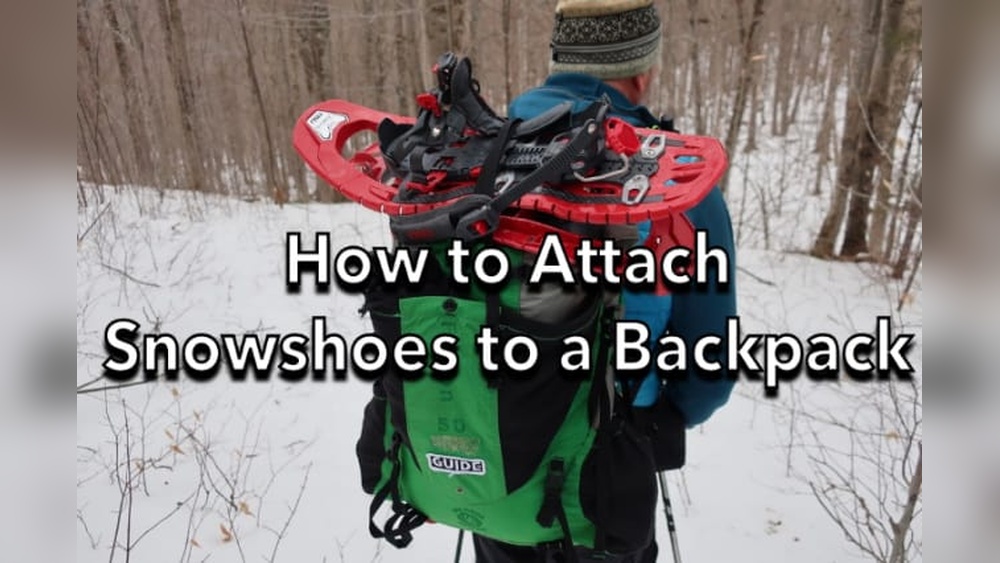
Carrying your snowshoes on your backpack might seem tricky at first, but it doesn’t have to be. If you’ve ever struggled with awkward straps or worried about damaging your gear, you’re not alone.
The right way to carry your snowshoes can make your hike more comfortable and keep your equipment safe. In this guide, you’ll discover simple, practical tips that anyone can use. By the end, you’ll feel confident knowing exactly how to attach your snowshoes so they stay secure and easy to access.
Ready to make your next winter adventure smoother? Let’s dive in!

Credit: www.youtube.com
Choosing The Right Snowshoes
Choosing the right snowshoes is key for a good outdoor trip. The right pair makes walking on snow easier and safer. It also helps to carry them properly on your backpack. Knowing the types and the size helps you pick the best snowshoes for your needs.
Types Of Snowshoes
Snowshoes come in different shapes and designs. Some are made for flat snow and walking. Others are built for climbing hills and rough paths. There are also snowshoes made for running or fast hiking. Pick a type that matches where you plan to go.
Size And Weight Considerations
Snowshoes come in many sizes. Bigger ones keep you on top of soft snow better. Smaller snowshoes work well on hard, packed snow. Weight is important too. Light snowshoes are easy to carry on your backpack. Heavy ones might slow you down on long trips.

Credit: sectionhiker.com
Backpack Compatibility
Choosing the right backpack for carrying snowshoes makes your hike easier. Not all backpacks fit snowshoes well. Backpack compatibility depends on design and features. Consider how the backpack holds your snowshoes securely and comfortably.
Backpack Features For Snowshoe Carrying
Look for backpacks with special compartments or loops for snowshoes. Some backpacks have padded areas to protect the gear. Ventilated back panels help reduce sweat during long hikes. Lightweight materials make carrying less tiring. A good backpack balances space for snowshoes and other essentials.
Attachment Points And Straps
Strong attachment points keep snowshoes stable on your pack. Adjustable straps help fit different snowshoe sizes. Compression straps hold the load tight, preventing swinging. Quick-release buckles make it easy to attach or detach snowshoes. Check that straps do not damage the snowshoes or the backpack.
Preparing Snowshoes For Transport
Preparing snowshoes for transport keeps them in good shape and makes carrying easier. Proper care before packing protects the snowshoes from damage. It also helps your backpack stay clean and organized. Follow these steps to get your snowshoes ready for the trip.
Cleaning And Drying
Remove dirt, mud, and snow from the snowshoes. Use a brush or cloth to clean all parts. Wet snowshoes can cause rust or mold if packed away. Dry them thoroughly in a warm, dry place. Avoid direct sunlight, which can damage materials. Clean and dry snowshoes last longer and carry better.
Securing Loose Parts
Check for any loose bindings or straps. Tighten or fasten all parts securely. Loose parts can get lost or cause damage during transport. Use small straps or bungee cords to keep parts tight. Secure snowshoes prevent noise and shifting in the backpack. This also helps balance your load for easier carrying.
Methods To Attach Snowshoes
Attaching snowshoes to your backpack makes carrying easier and keeps your hands free. Different methods suit different backpacks and snowshoe shapes. Choosing the right method helps balance weight and prevents damage. Below are common ways to attach snowshoes securely.
Vertical Carry Techniques
Vertical carry means attaching snowshoes so they stand up straight on your pack. This method saves space and keeps the snowshoes close to your back. Use straps or loops on your backpack to fasten them tightly. Make sure the bindings face inward to avoid snagging branches. Vertical carry works well for narrow backpacks.
Horizontal Carry Techniques
Horizontal carry involves fastening snowshoes flat against your pack’s back. This spreads the weight evenly and is stable on wide backpacks. Secure the snowshoes with strong straps across the top and bottom. Position the bindings facing out for easy access. This method keeps the snowshoes balanced and steady during movement.
Diagonal Carry Techniques
Diagonal carry places snowshoes at an angle on your backpack. It fits many pack shapes and balances weight well. Use adjustable straps to hold the snowshoes firmly in place. Position the bindings facing up or down based on your preference. This technique reduces bulk and keeps the snowshoes secure.
Using Specialized Gear
Using specialized gear makes carrying snowshoes on your backpack easier and safer. This gear holds the snowshoes tightly and protects your backpack from sharp edges. It also keeps your snowshoes from moving while you walk. Specialized gear helps you stay comfortable and focused on your hike.
Snowshoe Carrying Straps
Snowshoe carrying straps attach easily to most backpacks. They wrap around your snowshoes and secure them to the pack. These straps are strong and adjustable for different snowshoe sizes. They keep your snowshoes stable and prevent them from swinging. Using carrying straps makes your load lighter and well-balanced.
Protective Covers And Bags
Protective covers and bags shield your snowshoes from dirt and damage. They also protect your backpack from sharp crampons or bindings. Covers are made from durable materials that resist water and tears. Bags often have padded interiors to add extra safety. Using these covers keeps both your snowshoes and backpack in good shape.
Balancing Weight And Comfort
Carrying snowshoes on your backpack requires a good balance between weight and comfort. If the load feels uneven or heavy, your hike will be tiring fast. Properly managing the weight helps you walk longer and enjoy the outdoors more.
Comfort matters as much as weight. A well-balanced backpack reduces strain on your shoulders and back. It also keeps your posture steady on rough trails. Let’s explore how to adjust your gear for the best fit.
Adjusting Backpack Straps
Start by tightening all straps to fit snugly around your body. Shoulder straps should hold the pack close to your back. Use the chest strap to keep the load stable side to side. Adjust the hip belt to transfer weight to your hips. This takes pressure off your shoulders and spine.
Check strap tension during the hike. Loosen or tighten as needed for comfort. Straps that are too loose cause the pack to bounce. Too tight straps can cause pain and restrict movement.
Distributing Load Evenly
Place heavier items close to your back. This keeps the center of gravity near your body. Snowshoes are bulky but light, so attach them where they do not shift. Use side or rear loops to secure them firmly.
Balance weight on both sides of the pack. Avoid carrying all heavy gear on one side. Uneven loads cause muscle strain and affect your balance. Pack smaller items around snowshoes to fill gaps and prevent movement.
Safety Tips On The Trail
Carrying snowshoes on your backpack needs care to keep you safe. Snowshoes are large and can catch on things. This can cause falls or damage to your gear. Follow safety tips to enjoy your trail walk without trouble. Keep your snowshoes secure and easy to reach.
Avoiding Snags And Damage
Attach snowshoes tightly to avoid swinging. Loose snowshoes can catch on branches or rocks. Use straps or bungee cords to hold them close. Position snowshoes so sharp edges face inward. This lowers the chance of tearing your clothes or backpack. Check the straps often to keep them firm. Avoid placing snowshoes where they block your view or balance.
Quick Access Strategies
Place snowshoes where you can reach them fast. The top or side of your backpack works well. Use quick-release buckles for easy removal. Practice taking them off before you start walking. This saves time and frustration on the trail. Keep the snowshoe bindings facing up for easy grab. This way, you can put them on quickly if snow is deep.

Credit: www.youtube.com
Frequently Asked Questions
How Do I Attach Snowshoes To A Backpack?
Use straps or bungee cords to secure snowshoes vertically on the backpack. Attach them tightly to prevent movement during hikes. Position snowshoes on the back or sides for balance and easy access. Make sure bindings face outward to avoid damage.
What’s The Best Position For Carrying Snowshoes?
Carry snowshoes vertically on the back or along the sides of the backpack. This placement maintains your balance and keeps the weight evenly distributed. Avoid carrying them horizontally to prevent discomfort and damage to the snowshoes or other gear.
Can I Carry Snowshoes Inside My Backpack?
Carrying snowshoes inside is not recommended due to their size and shape. They can damage other gear and reduce space. If necessary, use a large backpack and pack snowshoes carefully to avoid crushing items. External attachment is generally better.
How To Prevent Snowshoes From Slipping On A Backpack?
Use adjustable straps or bungee cords to secure snowshoes tightly. Adding padding between snowshoes and backpack can increase grip. Check the attachments regularly during your hike to ensure they remain secure and stable.
Conclusion
Carrying snowshoes on your backpack keeps your hands free and gear safe. Choose the right method for your pack and snowshoe type. Secure them tightly to avoid noise or damage while hiking. Practice attaching them before your trip for ease and speed.
With simple steps, you can carry your snowshoes comfortably on any adventure. Enjoy your snowy hikes without extra hassle or weight. Stay prepared, stay safe, and have fun outdoors.