Carrying boots on your backpack might seem simple, but if done wrong, it can weigh you down or damage your gear. You want a way that keeps your boots secure, easy to access, and doesn’t ruin your backpack’s shape.
Imagine reaching for your boots without hassle, whether you’re hiking, camping, or traveling. You’ll discover smart, practical tips to carry your boots comfortably and safely. Keep reading to learn how to make your next adventure smoother and more organized.
Credit: adventuremedicalkits.com
Choosing The Right Boots
Choosing the right boots is key for a comfortable backpacking trip. Boots protect your feet and support your movements on rough trails. Picking boots that fit your needs helps avoid pain and injuries.
Selecting Hiking Boots
Pick boots made for hiking. They offer good ankle support and grip. Look for boots with strong soles to handle rocky paths. Breathable materials help keep your feet dry and cool.
Considering Boot Weight
Light boots reduce tiredness during long walks. Heavy boots can slow you down and cause blisters. Balance weight with support. Choose boots that feel comfortable from the start.
Waterproof Vs Non-waterproof
Waterproof boots keep feet dry in wet conditions. They are good for rainy or snowy areas. Non-waterproof boots are lighter and more breathable. Choose based on the weather and trail conditions.
Preparing Boots For Travel
Preparing boots for travel makes carrying them easier and keeps your backpack clean. Taking time to get boots ready protects them and your other gear. Proper preparation saves space and prevents damage during trips.
Cleaning And Drying
Start by brushing off dirt and mud from boots. Use a damp cloth to wipe the surface gently. Avoid soaking boots with too much water. Let boots dry completely in a cool, dry place. Do not use direct heat like a heater or sunlight. Dry boots prevent mold and bad smells inside your backpack.
Removing Insoles And Laces
Take out the insoles to help boots dry faster. Keep the insoles separate to reduce moisture build-up. Remove the laces to avoid tangling and damage. You can pack laces in a small bag or inside the boots. This step makes boots lighter and easier to pack.
Packing Accessories Separately
Keep small items like extra laces and cleaning brushes in a separate pouch. This stops them from getting lost or dirty. Packing accessories separately also helps organize your backpack. It makes finding these items quicker during your trip.
Boot Attachment Methods
Carrying boots on a backpack needs smart planning. It saves space and keeps your gear safe. Different methods suit different backpacks and boots. Choose one that fits your trip and comfort. Here are simple ways to attach boots to your pack.
Using Boot Straps
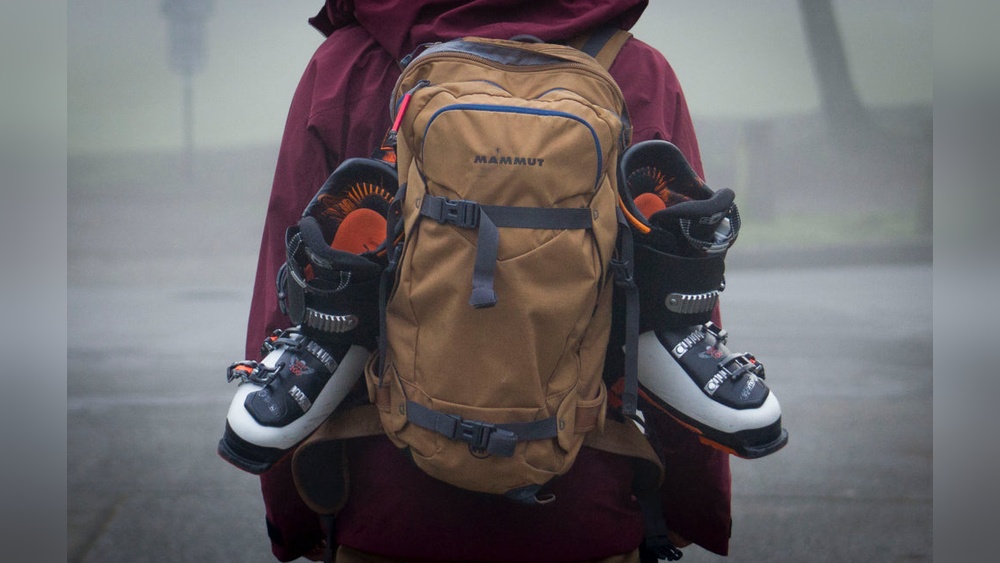
Boot straps wrap around your boots tightly. They hold boots on the outside of your pack. Straps keep boots from swinging or hitting your back. Use wide straps for heavy boots. Tighten straps securely to avoid slipping. This method frees up space inside your pack.
Securing With Carabiners
Carabiners clip boots to loops or straps on your pack. This method works well for lightweight boots. It allows boots to hang freely and air out. Choose strong, locking carabiners for safety. Attach boots by their laces or eyelets. Check clips often to avoid losing boots.
Packing Inside The Backpack
Packing boots inside saves them from dirt and damage. Place boots at the bottom or side of your pack. Stuff boots with socks or small items to keep shape. Use a plastic bag to protect other gear from mud. This method keeps your load balanced and secure.

Credit: www.youtube.com
Protecting Your Backpack And Gear
Carrying boots on your backpack needs care to keep your gear safe. Boots can be dirty and heavy. They can damage other items if not packed right. Protecting your backpack and gear keeps your trip comfortable and gear lasting longer.
Using Shoe Bags
Shoe bags help keep boots separate from other items. They stop dirt and mud from spreading inside your backpack. Use bags made from durable, water-resistant fabric. This keeps moisture away and protects your clothes.
Choose bags with drawstrings or zippers for easy closing. This holds boots tightly and stops them from moving. Shoe bags also make it easy to carry boots outside the pack.
Preventing Dirt And Odor
Boots can carry mud, dust, and bad smells. Clean boots before packing to reduce dirt inside your bag. Use a soft brush or cloth to wipe off mud. Dry boots completely to avoid moisture buildup.
Place dryer sheets or small odor absorbers inside shoe bags. They help keep your backpack smelling fresh. Avoid packing wet boots directly to prevent mold and odor.
Avoiding Damage To Fragile Items
Boots are heavy and can crush fragile items in your backpack. Place boots in a separate compartment or outside pockets. If boots must go inside, surround them with soft clothes.
Keep electronics, glasses, and other breakables away from boots. Use padded cases or wrap fragile items in thick fabric. This prevents scratches, cracks, and pressure damage during travel.
Optimizing Backpack Space
Optimizing backpack space is key for carrying boots comfortably and safely. Boots take up a lot of room and can make your pack uneven. Organizing your gear smartly helps keep your load balanced and your boots protected. Small steps can save space and make hiking easier.
Balancing Weight Distribution
Place boots near your backpack’s center or bottom. This keeps your pack steady and avoids tipping. Balance boots with other heavy items on the opposite side. A well-balanced pack feels lighter and easier to carry. Avoid putting all weight on one side.
Utilizing External Pockets
Use external pockets to store boots if space inside is tight. Some backpacks have large side or bottom pockets perfect for boots. This frees up room inside for clothes and food. Secure boots tightly to avoid swinging or noise during walks. External pockets keep boots separate from clean gear.
Compressing Boots For Space
Use compression bags or straps to reduce boot size. Removing insoles and lacing boots tightly helps shrink bulk. Wrap boots in a cloth or plastic bag to protect other gear. Compressing boots saves space and keeps your pack organized. Less bulk means more room for essentials.
Safety Tips While Hiking
Safety is key when hiking with boots on your backpack. It protects you and your gear from damage. Following simple tips keeps your boots secure and prevents accidents. Stay alert and check your setup often during your hike.
Ensuring Secure Attachment
Attach boots tightly to your backpack. Use strong straps or bungee cords. Make sure boots do not move or swing. Loose boots can unbalance you or get caught on branches.
Checking Boot Stability Regularly
Stop to check your boots often. Tighten straps if they loosen. Make small adjustments to keep boots firm. This helps avoid losing your boots or causing harm.
Adapting To Terrain Changes
Change how you carry boots on rough or steep paths. Keep boots close to your body on uneven ground. Adjust straps to prevent boots from hitting rocks or trees.

Credit: www.wikihow.com
Frequently Asked Questions
How Do I Attach Boots To A Backpack?
Use boot straps or carabiners to secure boots externally. Place boots upside down to prevent dirt inside. Ensure they are tightly fastened to avoid swinging while hiking.
Can Boots Be Stored Inside A Backpack?
Yes, but clean boots thoroughly first. Use a waterproof bag to avoid dirt transfer. Place them at the bottom to balance the load effectively.
What’s The Best Way To Protect Boots While Carrying?
Wrap boots in a cloth or boot bag to prevent scratches. Use padding around the boots if stored inside the pack. This keeps boots in good condition during travel.
Should Boots Be Worn Or Carried During Hikes?
Wear boots for comfort and foot protection. Carry spare boots only if needed for changing conditions. Carrying extra boots saves space and reduces weight.
Conclusion
Carrying boots on a backpack does not have to be hard. Use straps or external pockets to keep boots secure. Keep boots clean and dry before packing them. Attach boots outside to save space inside. Balance your load to stay comfortable while hiking.
These tips help protect your boots and gear. Enjoy your trip with less hassle and more comfort. Simple steps make carrying boots easy and safe. Try these ideas on your next adventure.