Carrying your bike on a backpack might sound tricky, but it’s easier than you think. Whether you’re hiking to a trail or commuting through busy streets, knowing how to secure your bike to your back gives you freedom and convenience.
Imagine moving through crowded places without dragging your bike or worrying about where to park it. In this guide, you’ll discover simple, practical steps to carry your bike safely and comfortably. Ready to learn how to make your bike your ultimate travel companion?
Keep reading—you’re about to unlock a smart way to carry your ride wherever you go.
Choosing The Right Backpack
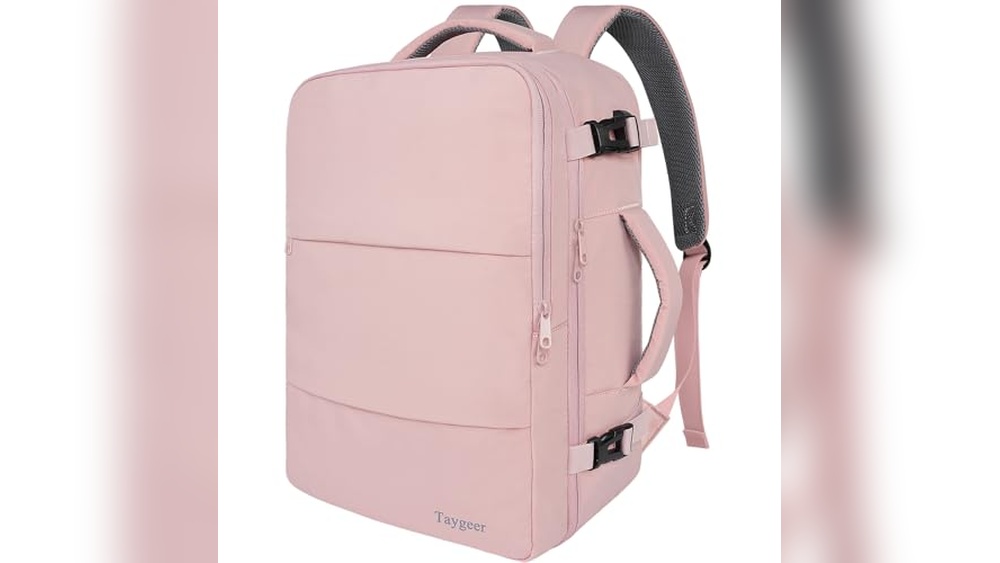
Choosing the right backpack is important for carrying a bike safely and comfortably. A good backpack keeps the bike secure and balances the weight on your back. It also protects the bike and lets you move freely. Finding the right one depends on how you plan to carry your bike and the size of the bike parts.
Backpack Types For Bike Carrying
Some backpacks are made just for carrying bikes. These have special straps and compartments. Frame backpacks hold the bike frame firmly. Wheel backpacks carry the wheels separately. Hybrid backpacks combine both features. Choose a type that matches your bike and how you want to carry it.
Key Features To Look For
Look for strong straps that hold the bike tightly. Padded straps make it more comfortable to carry. Check for extra pockets for tools and accessories. Ventilation helps reduce sweat on hot days. Water-resistant material protects the bike from rain. Easy access openings save time when placing the bike inside.
Size And Capacity Considerations
Pick a backpack size that fits your bike parts well. Too small means the bike won’t fit properly. Too big can be bulky and heavy. Make sure the backpack can carry the weight of the bike. Adjustability helps fit the backpack to your body size. Balance is key to avoid strain on your back.
Credit: bikepacking.com
Preparing Your Bike
Preparing your bike is the first step to carry it safely on your backpack. This process helps protect your bike and makes it easier to carry. Proper preparation avoids damage and keeps your bike clean. Follow simple steps to get your bike ready.
Removing Or Adjusting Components
Start by removing parts that stick out or could break. Take off the front wheel if your backpack requires it. Lower or remove the seat post to save space. Turn the handlebars sideways or loosen them for better packing. These changes make carrying easier and prevent damage.
Cleaning And Protecting The Frame
Wipe dirt and mud off the frame before packing. Use a soft cloth and mild cleaner for best results. Dry the bike to stop rust or stains. Cover the frame with a cloth or foam padding. This protects the paint and parts during transport.
Securing Loose Parts
Check for loose bolts, screws, or quick releases. Tighten anything that might fall off or rattle. Secure cables and brake levers with tape or straps. Wrap small parts in cloth or plastic bags. This keeps everything in place and avoids loss.
Packing Techniques
Packing a bike on a backpack needs smart techniques. Proper packing keeps the bike safe and balanced. It also makes carrying easier and more comfortable. This section explains key packing methods for carrying a bike on your back.
Follow these tips to protect your bike and yourself during transport. Each step matters in making the trip smooth and damage-free.
Frame Positioning Methods
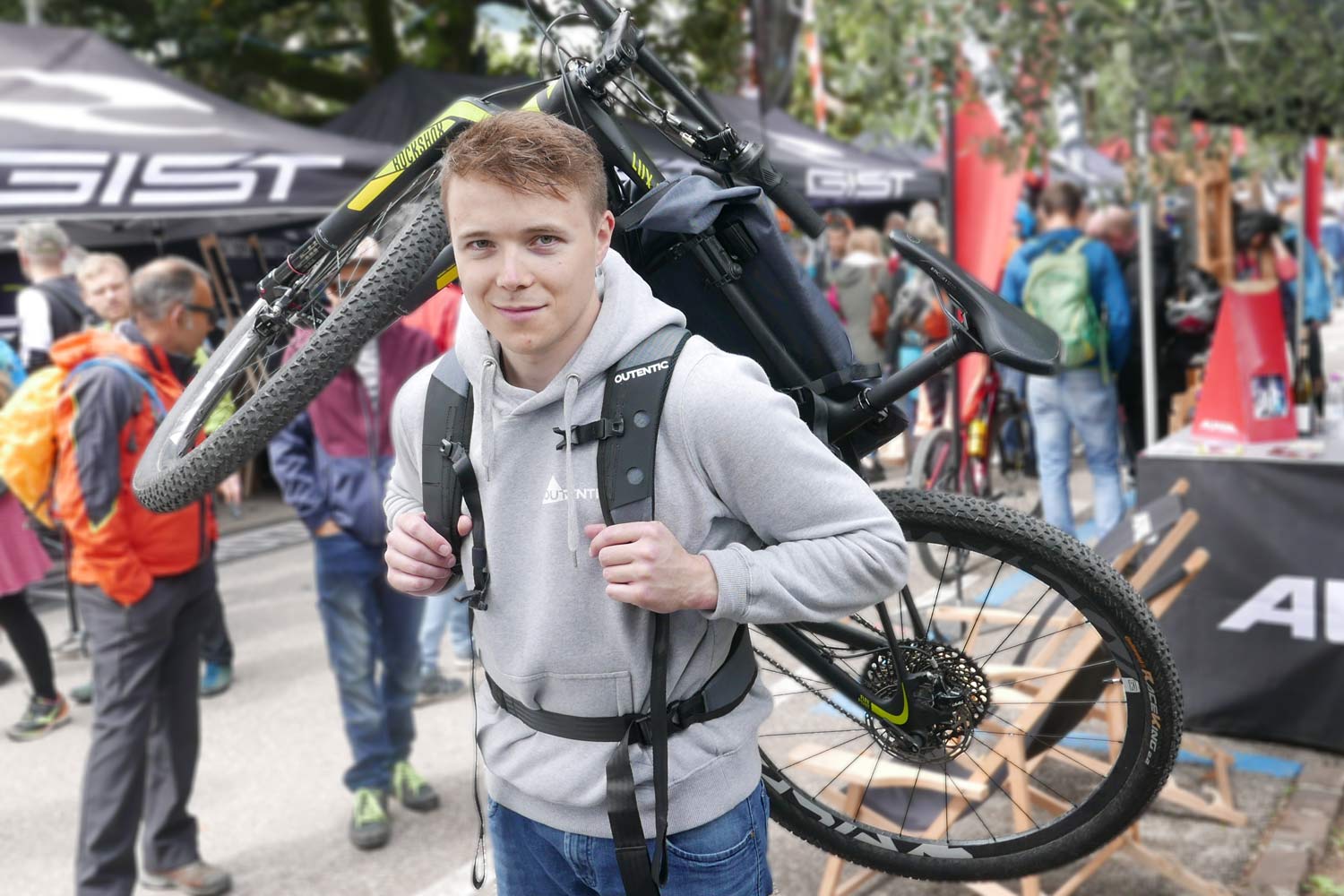
Place the bike frame close to your back. This keeps the weight centered and stable. Align the frame vertically or diagonally, based on your backpack shape. Avoid horizontal placement, as it causes imbalance. Keep pedals and handlebars tucked to prevent catching on objects.
Strapping And Securing The Bike
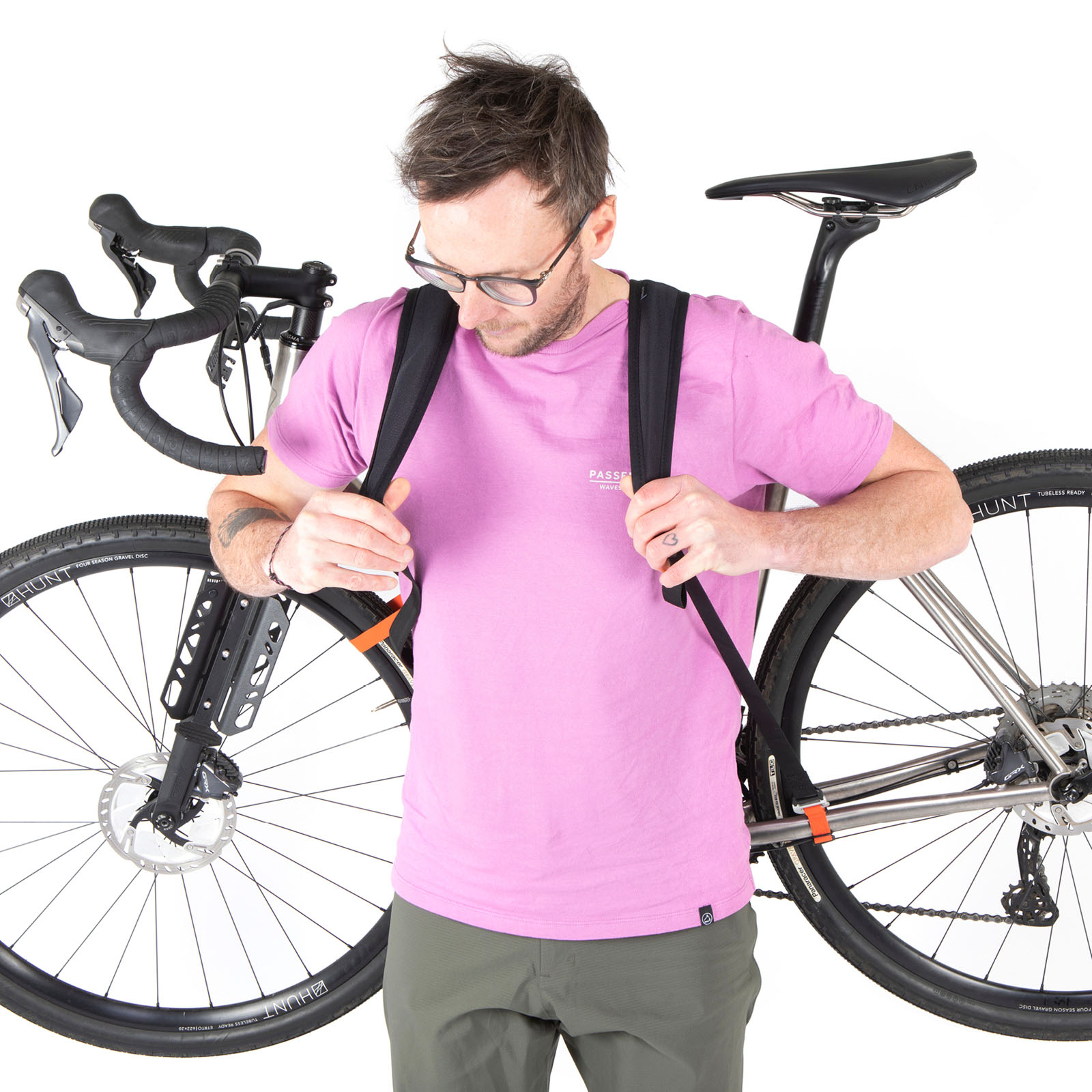
Use strong straps or bungee cords to hold the bike tightly. Wrap straps around the frame and backpack firmly. Check that the bike does not move side to side or up and down. Secure loose parts like wheels or seat post separately. Tighten straps before each step to avoid loosening.
Using Padding For Protection
Place soft padding between the bike and backpack. Foam, bubble wrap, or cloth prevents scratches and dents. Add padding around delicate parts like the derailleur and frame joints. Padding also reduces pressure on your back. Replace or adjust padding if it shifts during walking.
Safety And Comfort Tips
Carrying a bike on your backpack needs care for safety and comfort. Proper techniques help avoid pain and keep your bike safe. Follow these tips to carry your bike easily and securely.
Balancing Weight Distribution
Place the bike so its weight spreads evenly. Avoid putting all the weight on one side. This balance keeps you steady and reduces strain on your shoulders and back. Check the position before you start walking.
Adjusting Straps For Comfort
Loosen and tighten the straps to fit your body well. Straps should be snug but not too tight. Adjust them so the bike stays close to your back without pressure points. Take breaks to readjust if you feel discomfort.
Avoiding Damage To Bike And Backpack
Use padding between the bike and your backpack to prevent scratches. Secure sharp parts away from the fabric to avoid tears. Carry your bike gently and avoid sudden movements that can cause damage.
Alternative Carrying Options
Carrying a bike on your back can be tricky. Many riders want options that suit different needs. Alternative carrying methods help carry bikes easily and safely. These choices make travel and storage simpler.
Bike Carrying Cases
Bike carrying cases protect your bike during transport. They keep dirt and damage away. Cases often have padding and straps inside. Some cases fold small for easy carrying. Using a case reduces stress on your shoulders and back.
Foldable And Compact Bikes
Foldable bikes are small and light when folded. They fit in backpacks or under seats. Compact bikes are easier to carry than full-size bikes. These bikes save space on buses or trains. Folding takes seconds and makes travel less hard.
Using External Racks Or Straps
External racks attach your bike outside your backpack. Straps hold the bike firmly to the backpack. This method keeps the bike stable while walking. It also frees up space inside your bag. Choose straps with padding to avoid damage to your bike or clothes.
Credit: www.reddit.com
Maintenance After Carrying
Carrying your bike on a backpack is handy for many adventures. After your trip, taking care of your bike is important. Proper maintenance keeps your bike safe and ready for the next ride. Spend a few minutes checking and cleaning your bike. This helps avoid bigger problems later on.
Inspecting For Damage
Start by looking at the frame closely. Check for cracks, dents, or scratches. Look at the wheels and tires too. Make sure the tires have no cuts or punctures. Check the spokes and rims for bends. Also, inspect the brakes and gears. Ensure nothing is loose or broken. Catching damage early saves money and effort.
Cleaning And Lubricating
Remove dirt and dust with a soft cloth or brush. Use water and mild soap for stubborn dirt. Avoid soaking the bike; wipe it gently. Dry the bike well after cleaning. Lubricate the chain and moving parts next. Use bike-specific oil to keep parts smooth. Wipe off extra oil to avoid attracting dirt. Clean and oil help your bike last longer.
Storing Your Bike Properly
Store your bike in a dry, cool place. Avoid direct sunlight or damp areas. Hang the bike or use a stand to keep tires off the ground. Keep it away from heavy objects that can cause damage. Cover the bike with a cloth or cover to protect from dust. Proper storage keeps your bike in good shape. Ready for your next adventure.
Credit: bikerumor.com
Frequently Asked Questions
How Do I Safely Carry A Bike On A Backpack?
Secure your bike frame firmly to the backpack using straps. Avoid loose parts to prevent damage. Use padded straps to protect the bike and yourself. Balance the weight evenly for comfort. Always check stability before moving.
What Backpack Features Help Carry A Bike Easily?
Look for backpacks with strong straps and adjustable buckles. Padded shoulder straps increase comfort during carrying. Waterproof material protects your bike from weather. A lightweight, durable frame helps manage bike weight efficiently.
Can Any Bike Fit On A Standard Backpack?
Not all bikes fit standard backpacks. Compact or foldable bikes are easier to carry. Large mountain or road bikes need specialized bike backpacks. Check backpack dimensions and bike size compatibility before purchasing.
How To Avoid Damage To Bike While Carrying On A Backpack?
Use padding around contact points between bike and backpack. Tighten straps securely but avoid over-tightening to prevent frame damage. Remove or protect delicate parts like pedals and handlebars. Carry your bike upright to minimize stress.
Conclusion
Carrying a bike on a backpack can make travel easier. Choose the right backpack for your bike size. Secure the bike tightly to avoid movement. Practice carrying it before your trip for comfort. This skill helps you explore places without limits.
Keep your bike safe and enjoy your ride. Simple steps lead to great adventures every time.