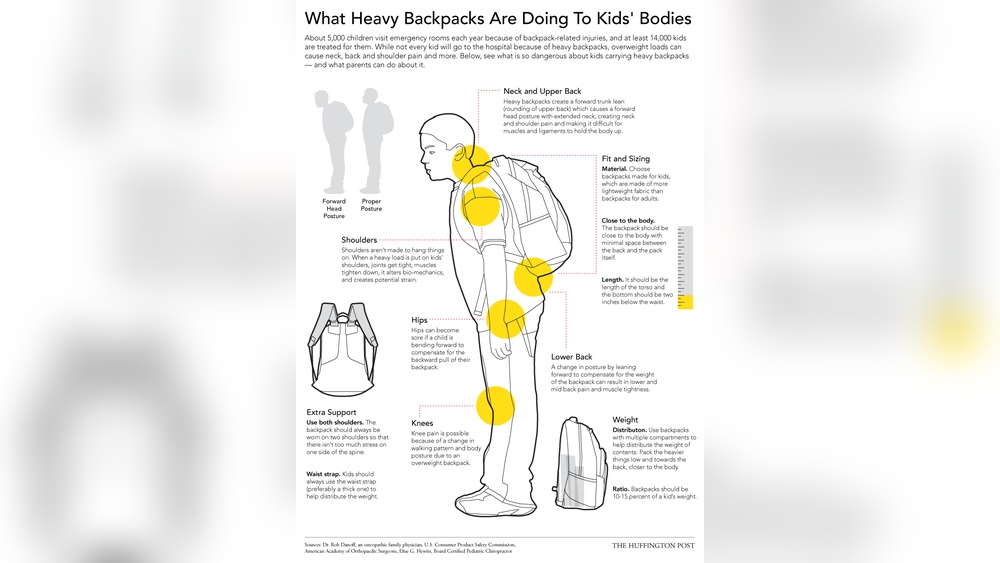
Does your shoulder ache every time you put on your backpack? You’re not alone, and this pain can quickly turn a simple daily routine into a frustrating struggle.
Understanding why your shoulder hurts when you wear a backpack is the first step toward finding relief. You’ll discover common causes and easy fixes that can help you carry your load comfortably—no more pain, just freedom to move. Keep reading to learn how to protect your shoulders and enjoy your backpack again.
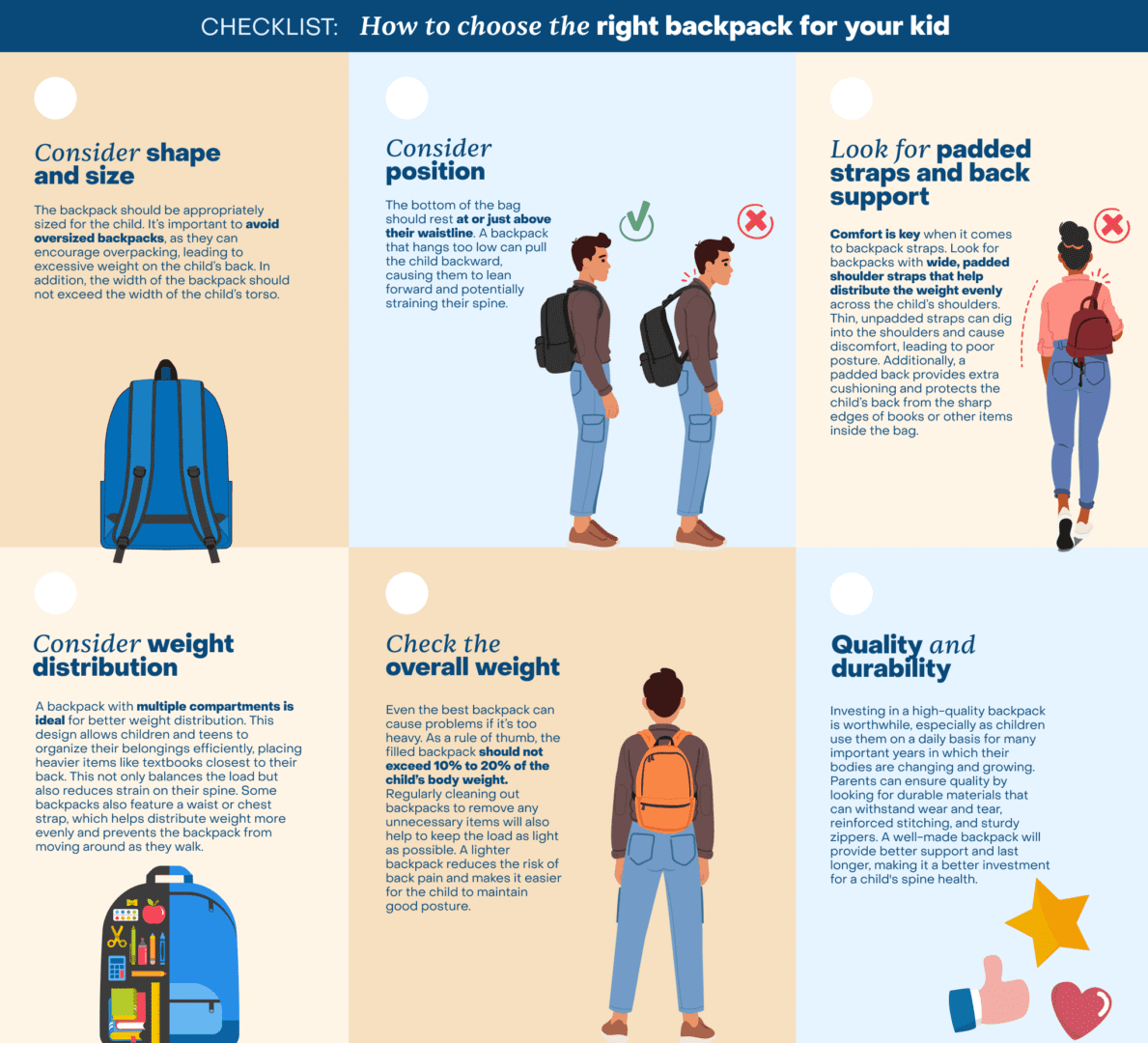
Credit: spinehealth.org
Common Shoulder Pain Causes
Shoulder pain from wearing a backpack is common. Many factors cause this discomfort. Understanding these reasons helps prevent pain and improve comfort. Below are the most common causes of shoulder pain related to backpacks.
Poor Backpack Fit
A backpack that does not fit your body well causes shoulder pain. If the backpack is too big or small, it puts extra strain on your shoulders. A poor fit shifts the weight unevenly, leading to discomfort and pain.
Overloaded Backpack
Carrying too much weight in your backpack puts pressure on your shoulders. Heavy loads cause muscles to work harder, leading to pain and soreness. Keeping the backpack light reduces the risk of shoulder pain.
Strap Pressure Points
Backpack straps that dig into your shoulders create pressure points. These points can cause pain and skin irritation. Wide, padded straps help spread the weight evenly, reducing pressure and discomfort.
Improper Strap Adjustment
Straps that are too loose or too tight cause shoulder pain. Loose straps make the backpack hang low, pulling on the shoulders. Tight straps squeeze and restrict blood flow, leading to pain. Adjust straps for a snug but comfortable fit.
Muscle Strain And Fatigue
Carrying a backpack for a long time tires your shoulder muscles. This fatigue causes pain and stiffness. Taking breaks and strengthening shoulder muscles helps reduce strain and improve endurance.
Backpack Design Flaws
Backpack design flaws often cause shoulder pain. Many backpacks have features that do not support the body well. These flaws put extra pressure on your shoulders. Poor design can lead to discomfort and long-term pain. Understanding these design issues helps you choose better backpacks.
Lack Of Padding
Straps without enough padding dig into your shoulders. This creates pressure points and pain. Thin or hard straps do not spread weight evenly. Padded straps cushion the shoulders and reduce strain. Without padding, your shoulders bear more weight directly.
Inadequate Support Features
Some backpacks lack proper support systems. Chest or waist straps help balance the load. Without these, weight rests heavily on your shoulders. Good support features improve posture and reduce muscle strain. Backpacks missing these parts cause uneven weight distribution.
Heavy Materials
Backpacks made from thick or heavy fabrics add unnecessary weight. Carrying extra weight strains your shoulders. Lightweight materials make backpacks easier to carry. Heavy materials increase fatigue and cause soreness. Choosing a light backpack helps avoid shoulder pain.
Posture And Carrying Habits
Posture and carrying habits play a big role in shoulder pain from backpacks. How you stand and carry weight affects your shoulder muscles. Bad posture or wrong habits strain your shoulders. This can lead to pain and discomfort over time. Understanding these habits helps reduce shoulder pain.
Slouching And Leaning
Slouching puts extra pressure on your shoulders. It changes your spine’s natural curve. Leaning forward to balance the backpack also strains muscles. These habits cause uneven weight distribution. Your shoulders work harder to hold the bag. This leads to soreness and pain.
One-shoulder Carrying
Carrying a backpack on one shoulder causes imbalance. One side of your body bears all the weight. This makes muscles on that side tired and tight. It can create muscle pain and stiffness. Over time, it may cause posture problems and shoulder pain.
Incorrect Lifting Techniques
Picking up a backpack wrong adds stress to your shoulders. Lifting with your back instead of legs hurts muscles. Swinging the bag on your back suddenly can cause strain. Using poor lifting methods increases the chance of injury. Proper lifting protects your shoulders and reduces pain.

Credit: www.youtube.com
Shoulder Injury Risks
Carrying a backpack puts a lot of pressure on your shoulders. This pressure can cause different types of injuries. Understanding these risks helps you protect your shoulders better. The pain you feel might come from muscle strain or nerve issues. Some problems develop slowly over time. Others happen quickly after heavy lifting or poor posture.
Rotator Cuff Strain
The rotator cuff is a group of muscles around the shoulder joint. Carrying a heavy backpack can strain these muscles. This strain causes pain and limits shoulder movement. Poor backpack fit makes the problem worse. The muscles get tired from holding the weight unevenly. Overuse can lead to small tears in the rotator cuff. This injury needs rest and proper care to heal.
Nerve Compression
Nerves run through the shoulder area. A tight backpack strap can press on these nerves. This pressure causes numbness, tingling, or sharp pain. The longer you wear the backpack, the worse the symptoms get. Nerve compression also affects arm and hand strength. Changing the strap position or reducing weight often helps. Ignoring this can lead to more serious nerve damage.
Bursitis And Tendonitis
Bursae are small fluid-filled sacs that cushion the shoulder. Tendons connect muscles to bones. Carrying heavy backpacks can inflame both bursae and tendons. This inflammation causes pain and swelling in the shoulder. Movements like lifting or reaching become difficult. Rest, ice, and lighter loads reduce inflammation. Without care, bursitis and tendonitis can become chronic problems.
Preventing Shoulder Pain
Preventing shoulder pain from wearing a backpack starts with smart choices. Small changes can make a big difference. Proper habits protect your shoulders and improve comfort.
Follow simple steps to reduce strain and avoid pain. Your shoulders will thank you.
Choosing The Right Backpack
Pick a backpack that fits your body size. Avoid bags that are too big or too small. Look for padded shoulder straps to soften pressure. A backpack with a waist belt helps spread the weight evenly. Choose lightweight materials to keep the bag from adding extra load.
Proper Packing Tips
Pack heavy items close to your back. This reduces pull on your shoulders. Distribute weight evenly on both sides. Avoid overloading your backpack beyond 10 to 15 percent of your body weight. Use compartments to keep items stable and balanced.
Adjusting Straps Correctly
Tighten shoulder straps so the bag sits close to your back. The bottom of the backpack should rest near your lower back. Use chest or waist straps if available. They help stabilize the load and prevent shifting. Loose straps cause the bag to hang low, increasing shoulder strain.
Strengthening Shoulder Muscles
Strong shoulder muscles support the backpack better. Simple exercises like shoulder shrugs and arm circles build strength. Stretch your shoulders regularly to keep them flexible. Strong muscles reduce pain and improve posture. Consistent workouts help carry your backpack with ease.
When To See A Doctor
Shoulder pain from carrying a backpack can be more than a small discomfort. Sometimes, it signals a deeper problem needing medical care. Knowing when to see a doctor helps prevent further injury and speeds healing. Pay attention to your pain and other symptoms.
Persistent Pain Symptoms
Pain that lasts more than a few days needs attention. Constant aching or sharp pain during or after wearing a backpack is a warning. Swelling or numbness in your shoulder or arm also means it’s time to visit a doctor. Do not ignore ongoing pain or changes in feeling.
Signs Of Serious Injury
Severe pain after a fall or accident needs emergency care. Difficulty moving your shoulder or arm shows a possible serious injury. Noticeable deformity or bruising around the shoulder area requires immediate medical help. Sudden weakness or loss of control in your arm is also a red flag.
Physical Therapy Options
Doctors often recommend physical therapy to treat shoulder pain. Exercises can strengthen muscles and improve posture. Therapy helps reduce pain and prevent future problems. A trained therapist guides you safely through recovery steps. Early treatment leads to better results and less pain.
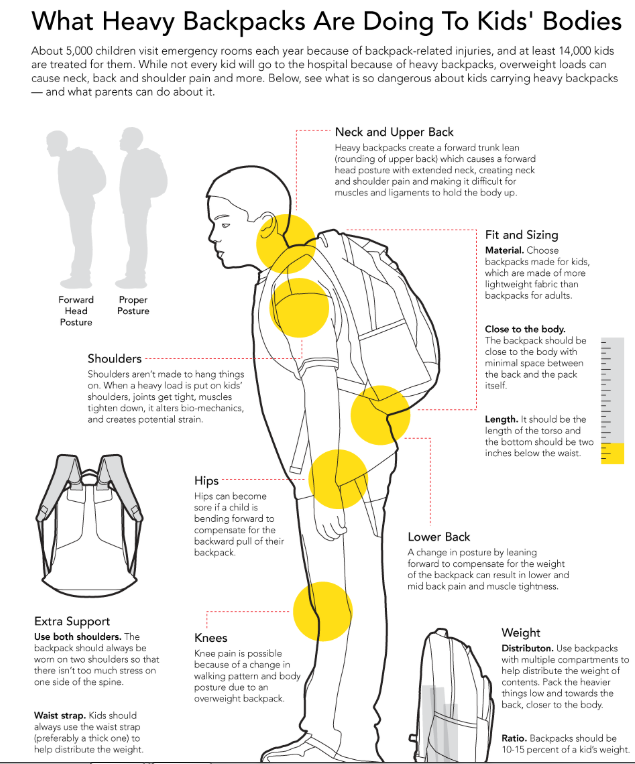
Credit: eph.org
Frequently Asked Questions
Why Does My Shoulder Hurt From Wearing A Backpack?
Shoulder pain often results from carrying a heavy backpack unevenly. Poor strap adjustment causes strain on muscles and nerves, leading to discomfort and soreness.
Can Backpack Weight Cause Shoulder Pain?
Yes, carrying a backpack that is too heavy increases pressure on shoulder muscles. This can cause pain, muscle fatigue, and even nerve compression.
How Can I Prevent Shoulder Pain With Backpacks?
Adjust straps evenly, use padded shoulder straps, and avoid overloading. Distribute weight properly and take breaks to reduce shoulder strain.
Does Backpack Design Affect Shoulder Pain?
Yes, ergonomic backpacks with padded straps and back support reduce shoulder pressure. Poorly designed backpacks can lead to pain and posture problems.
Conclusion
Shoulder pain from backpacks often comes from poor fit or heavy weight. Using padded straps and adjusting them properly helps reduce strain. Carry only what you need to keep the load light. Taking breaks from wearing the backpack can also relieve pressure.
Pay attention to your body’s signals to avoid long-term pain. Simple changes in how you carry your backpack make a big difference. Stay mindful, and your shoulders will thank you.