
Have you ever felt like your backpack is suddenly weighing you down more than usual? You might wonder, “Why does my backpack feel so heavy?”
It’s not just about the stuff inside. Your body, how you pack, and even your daily habits all play a role. You’ll discover simple reasons behind that heavy feeling and easy ways to lighten the load. Keep reading to find out how you can make carrying your backpack feel effortless again.
Common Weight Culprits
Backpacks often feel heavier than expected. Several common items add weight without us noticing. Identifying these weight culprits can help lighten your load. It makes carrying your backpack easier and more comfortable.
Overpacking Essentials
Carrying too many essentials is a common mistake. Packing extra clothes, snacks, or water bottles adds unnecessary weight. Only take what you truly need for the day. This habit reduces your backpack’s heaviness significantly.
Heavy Electronics
Laptops, tablets, and chargers weigh a lot. These electronics can quickly add pounds to your bag. Consider lighter devices or leave some gadgets behind. Removing bulky electronics can ease your load greatly.
Unnecessary Items
Many carry items they rarely use. Old receipts, extra keys, or unused gadgets fill the bag. Regularly clean your backpack to remove these extras. A lighter bag means less strain on your shoulders and back.
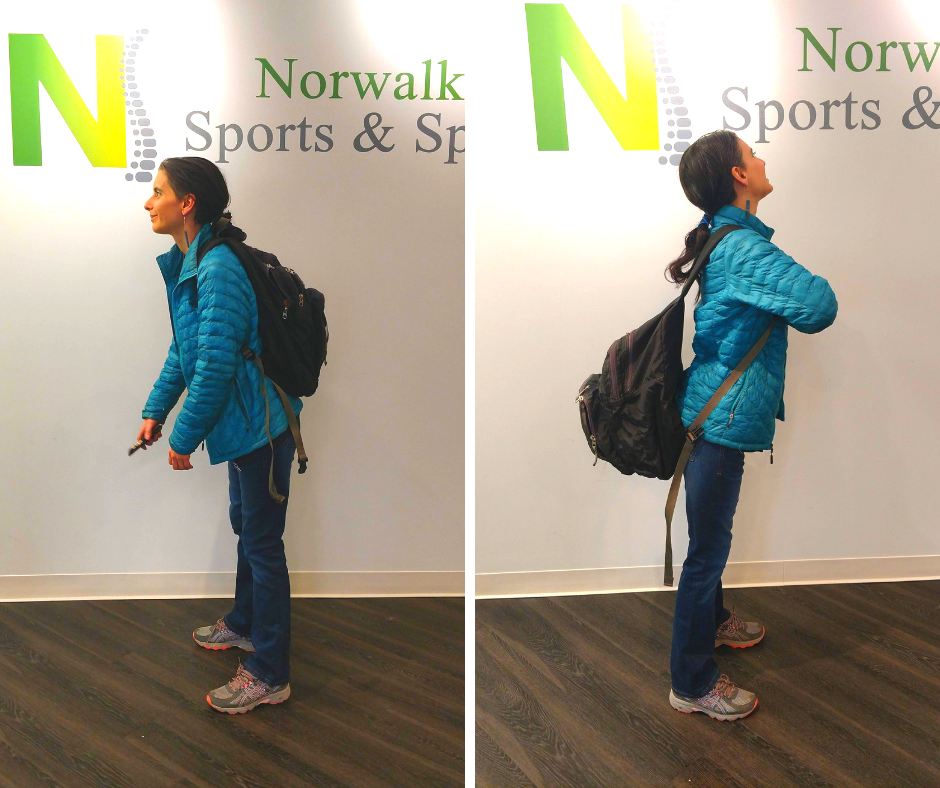
Credit: www.norwalksportsandspine.com
Backpack Design Impact
The design of your backpack plays a big role in how heavy it feels. Every part of the bag affects the weight you carry and how comfortable it feels on your back. A well-made backpack can make a big difference, even if you carry the same things inside.
Material And Build
The type of material affects the backpack’s weight. Heavy fabrics add extra pounds before you put anything inside. Lightweight materials keep the bag lighter and easier to carry. Strong stitching and durable zippers also matter. Poor build quality can make the bag feel bulky and uncomfortable.
Compartment Layout
How the compartments are arranged impacts weight distribution. Bags with many small pockets can cause uneven weight. This makes the load feel heavier and harder to balance. Simple layouts with larger compartments spread the weight more evenly. This design helps reduce strain on your back and shoulders.
Strap And Support Features
Straps and padding affect comfort and weight perception. Wide, padded shoulder straps spread the load better. Chest and waist straps help keep the backpack stable. Without good support, the bag can pull on one side. This adds to the feeling of heaviness and fatigue.
Packing Techniques That Add Weight
Packing your backpack might seem simple. Yet, certain habits can make it feel much heavier. The way you pack affects the overall weight and comfort. Small changes in how you organize can reduce strain. Let’s explore common packing techniques that add weight.
Inefficient Organization
Packing without a plan leads to clutter. Items get stuffed together without thought. This wastes space and forces you to carry more. You might add extra things just to fill gaps. Poor organization makes it harder to find things. It creates a heavier and bulkier load.
Uneven Weight Distribution
Placing all heavy items on one side strains your back. The backpack pulls to one side, causing discomfort. This imbalance makes walking tiring and awkward. Properly spreading weight helps maintain balance. Even distribution reduces pressure on your shoulders and spine.
Failing To Prioritize
Carrying everything “just in case” adds unnecessary weight. Many items are rarely needed on short trips. Prioritize essentials and leave non-essentials behind. Less stuff means less weight. Focus on what you truly need to stay comfortable.

Credit: www.nytimes.com
Physical Factors Affecting Weight Perception
Physical factors play a big role in how heavy your backpack feels. These factors affect your body’s ability to carry weight comfortably. Understanding them can help reduce strain and make carrying easier.
Body Posture And Carrying Style
How you stand and walk changes the weight feeling. Leaning forward or slouching puts more pressure on your back. Holding the backpack on one shoulder can cause imbalance. Even small shifts in posture can make the load feel heavier. Good posture spreads the weight evenly and lowers discomfort.
Fatigue And Muscle Strength
Tired muscles make carrying feel harder. When muscles get weak, they cannot support weight well. Fatigue lowers your endurance and increases pain. Strong muscles help carry loads with less effort. Regular exercise improves muscle strength and reduces heaviness sensation.
Backpack Fit And Adjustment
A backpack that fits poorly increases strain. Straps that are too loose or too tight cause uneven weight. A backpack sitting too low or high changes your center of gravity. Adjusting straps for a snug, balanced fit helps spread the load. Proper fit reduces pressure points and eases carrying.
Hidden Weight Contributors
Many backpack users feel their bag is heavier than expected. Some weight sources hide inside the pack. These hidden weight contributors add up fast. Knowing them helps you pack smarter. You can carry less strain on your back.
Water Bottles And Snacks
Water bottles can be surprisingly heavy, especially full ones. Carrying more than one bottle adds extra weight. Snacks like granola bars or fruit also add pounds. Packing many snacks for a long day adds to the load. Check what you really need before packing.
Books And Paperwork
Books and paperwork are common weight culprits. Thick textbooks or notebooks pile on pounds quickly. Loose papers add bulk and weight too. Carry only essential documents to lighten your load. Use digital versions when possible to save space and weight.
Extra Clothing And Accessories
Extra clothes like jackets or sweaters take up space and weight. Accessories such as umbrellas, hats, or gloves add more load. Sometimes, you pack items “just in case” and never use them. Review your clothing choices and leave non-essentials at home. Lighten your backpack by trimming unnecessary extras.
Tips To Lighten Your Load
Carrying a heavy backpack can tire you quickly. It may slow you down or cause pain. Simple changes can make a big difference. Here are some tips to help you lighten your load and feel better.
Declutter Regularly
Check your backpack often. Remove items you do not need. Old papers, extra clothes, or unused gadgets add weight. Keep only essentials. A lighter backpack feels easier on your back and shoulders.
Choose Lightweight Gear
Pick gear made from light materials. Lightweight backpacks, water bottles, and shoes reduce overall weight. Even small changes count. Lighter gear means less strain and more comfort.
Optimize Packing Methods
Pack smart. Place heavy items close to your back. Balance the weight on both sides. Use small bags inside to organize things. Proper packing helps distribute weight and eases pressure.
Credit: www.reddit.com
Frequently Asked Questions
Why Does My Backpack Feel Heavier Than It Looks?
A backpack feels heavier due to overpacking or uneven weight distribution. Heavy items placed incorrectly strain your shoulders and back. Choosing lighter essentials and organizing items properly can reduce the perceived weight and improve comfort while carrying.
How Can I Reduce The Weight Of My Backpack?
To reduce backpack weight, remove non-essential items and pack only what you truly need. Use lightweight gear and distribute weight evenly. Organize heavier items closer to your back to minimize strain and improve balance.
Does Backpack Design Affect How Heavy It Feels?
Yes, backpack design impacts perceived weight. Padded straps, ergonomic shapes, and proper support reduce discomfort. Well-designed backpacks distribute weight evenly, preventing pressure points and making the load feel lighter during use.
Can Poor Posture Make My Backpack Feel Heavier?
Poor posture increases strain and makes your backpack feel heavier. Slouching or leaning forward shifts weight unevenly, causing discomfort. Maintaining an upright posture helps distribute weight properly and reduces fatigue.
Conclusion
A heavy backpack often means too many items inside. Packing only what you need helps a lot. Distributing weight evenly makes carrying easier. Choosing the right backpack size also matters. Taking breaks while walking reduces strain on your back. Remember, a lighter load keeps you comfortable and healthy.
Small changes can make a big difference every day. Keep these tips in mind for a better backpack experience.
