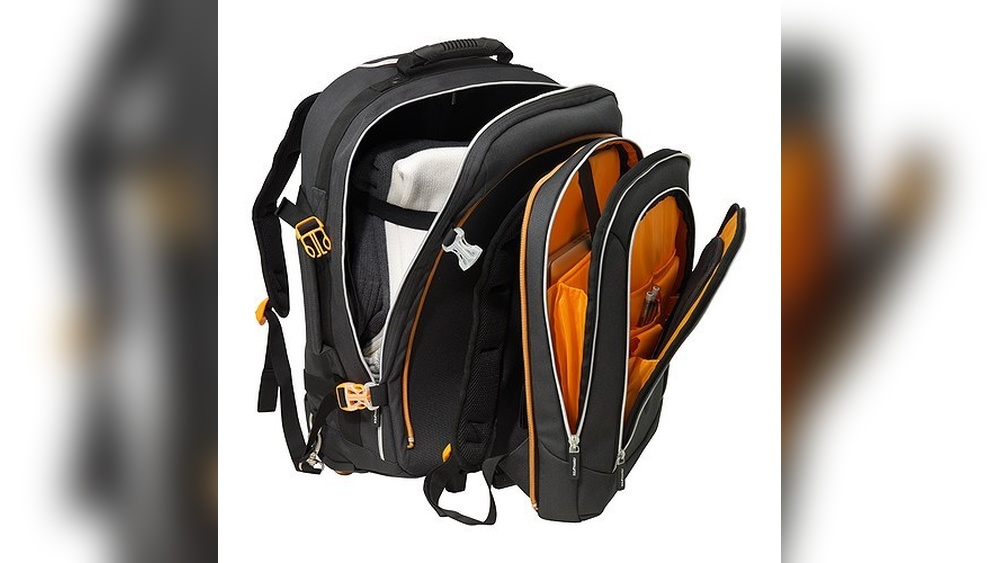
Have you ever wondered why your favorite Ikea Upptacka backpack suddenly disappeared from the shelves? If you’re someone who loved its unique design and affordable price, you’re not alone.
Many fans like you have been asking the same question: why did Ikea discontinue the Upptacka backpack? You’ll discover the real reasons behind this unexpected decision. Keep reading to find out what happened and what alternatives you can explore next.
Ikea Upptacka Backpack Launch
The Ikea Upptacka Backpack launch marked an exciting moment for fans of affordable and functional bags. Ikea, known for its furniture, surprised many by entering the backpack market. The launch aimed to offer a simple, stylish bag for everyday use. It combined Ikea’s practical design approach with a fresh product category.
Design And Features
The Upptacka Backpack had a clean, minimalist look. It came in light colors with the Ikea logo. The bag featured a spacious main compartment and smaller pockets for easy organization. It used durable, water-resistant fabric to protect belongings. Adjustable straps added comfort for users on the go.
Target Audience
Ikea designed the backpack for students and young professionals. People who need a reliable bag for school or work found it appealing. The price was low enough for budget-conscious buyers. The style fit those who like simple and practical accessories.
Initial Reception
The backpack received mixed reviews at launch. Some praised its affordability and design. Others felt the quality did not match expectations. Many users appreciated the lightweight feel and roomy pockets. Overall, the reception showed interest but also pointed out flaws.

Credit: www.ebay.com
Sales Performance
The sales performance of the Ikea Upptacka backpack played a key role in its discontinuation. Ikea watches product sales closely to decide if items stay or go. Low sales often lead to removal from stores. The Upptacka backpack did not meet sales goals.
Understanding sales trends helps explain the product’s fate. Customer interest impacts product life cycles. Sales numbers reveal if a product fits market needs. The Upptacka backpack struggled to attract enough buyers.
Market Response
Customers showed limited interest in the Upptacka backpack. Many preferred backpacks from other brands or Ikea’s different styles. Reviews were mixed, with some buyers mentioning quality issues. The backpack did not build a strong fan base. This weak market response affected its sales negatively.
Sales Trends
Sales started low and declined over time. The product did not gain momentum after launch. Seasonal peaks were small and short-lived. Competitors offered more popular or affordable options. The steady drop in sales signaled problems for the backpack’s future.
Comparison With Other Products
Other Ikea backpacks sold better and had higher ratings. These products offered more features or better designs. Customers chose those over the Upptacka backpack. In comparison, Upptacka lagged behind in popularity. This gap in sales performance led to its discontinuation.
Production Challenges
The production of the Ikea Upptacka backpack faced several challenges. These issues made it difficult to keep the product available in stores. Production problems affected quality, cost, and delivery times.
Each challenge played a part in the decision to stop making the backpack. Understanding these problems helps explain why Ikea discontinued the Upptacka backpack.
Material Sourcing Issues
Finding the right materials became harder over time. Suppliers struggled to provide consistent fabric and parts. Some materials were rare or expensive. This made it tough to keep up with demand. Quality dropped when cheaper materials were used.
Manufacturing Costs
Costs to produce the backpack rose steadily. Labor, materials, and energy prices increased. Making the backpack in large numbers was less profitable. Ikea could not lower prices without losing money. This made the product less attractive for the company.
Supply Chain Disruptions
Global events caused delays in shipping and delivery. Factories faced shutdowns and slowdowns. Transport costs became unpredictable and higher. These delays led to empty shelves and unhappy customers. Reliable supply was no longer guaranteed for the backpack.
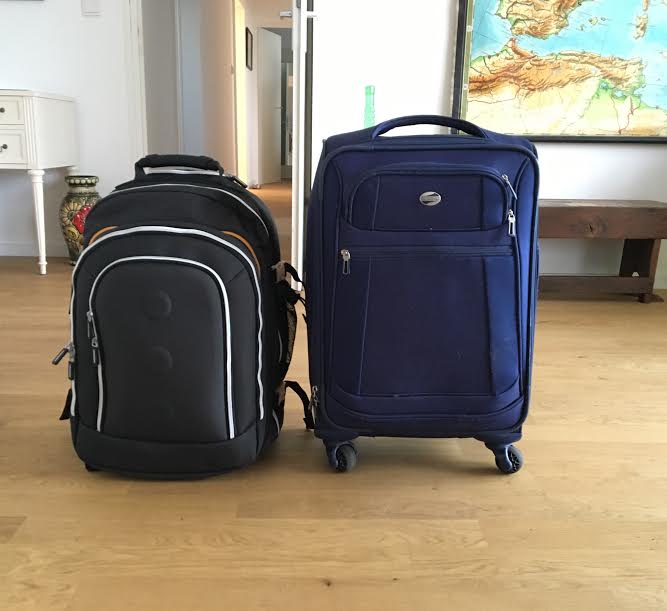
Credit: dispatcheseurope.com
Customer Feedback
Customer feedback played a big role in Ikea’s decision to stop making the Upptacka backpack. Buyers shared many thoughts about the product. Their opinions helped Ikea understand what worked and what did not. This section explores key feedback points that influenced the discontinuation.
Common Complaints
Many customers reported issues with the backpack’s size. Some found it too small for daily use. Others felt the straps were uncomfortable after a short time. The lack of extra pockets also disappointed several users. These complaints showed the product did not meet all customer needs.
Durability Concerns
Several buyers noticed the backpack wore out quickly. The fabric tore or faded after a few months. Stitching came loose in some cases. Users expected a longer-lasting product for the price paid. Durability worries made customers hesitant to recommend the backpack.
Design Flaws
The design of the Upptacka backpack had flaws that many pointed out. The zipper often got stuck or broke. The shape made it hard to pack larger items. Some users found the backpack awkward to carry. These design problems affected the overall user experience negatively.
Corporate Strategy Shift
Ikea’s decision to discontinue the Upptacka backpack reflects a clear shift in corporate strategy. The company has adjusted its focus and priorities. This change guides product choices and brand direction. Understanding this shift helps explain why the backpack is no longer available.
Focus On Core Products
Ikea wants to concentrate on its main product lines. The focus is on furniture and home goods. Non-core items like backpacks receive less attention. Resources move towards improving key products. This strategy aims to strengthen Ikea’s market position.
Sustainability Goals
Sustainability is a top priority for Ikea. The company works to reduce waste and use eco-friendly materials. The Upptacka backpack may not meet new sustainability standards. Ikea prefers products with a smaller environmental footprint. This helps the company reach its green targets.
Brand Image Considerations
Ikea wants to keep a consistent brand image. The brand is known for affordable, practical home solutions. Products unrelated to home living can confuse customers. Discontinuing non-core items sharpens Ikea’s identity. This clarity helps customers understand what Ikea offers.

Credit: q90fm.com
Legal And Safety Issues
The discontinuation of the Ikea Upptacka backpack involved serious legal and safety issues. These concerns affected its availability and customer trust. Examining these problems helps explain why Ikea stopped selling this product.
Regulatory Compliance
The Upptacka backpack faced challenges meeting safety rules. Each country has strict laws for children’s products. Ikea had to follow these rules to keep the backpack on shelves. Failure to comply caused legal pressure on the company.
Recall Incidents
Ikea issued recalls for the Upptacka backpack. Some parts posed choking hazards to young children. Recalls hurt the product’s reputation and increased costs. This led Ikea to remove the backpack from the market.
Safety Concerns
Parents reported safety issues with the backpack. Straps and small components raised concerns. These problems risked children’s health and safety. Ikea chose to discontinue the backpack to protect buyers.
Impact On Customers
The discontinuation of the Ikea Upptacka Backpack has left many customers wondering about its impact. This change affects users who loved its design and functionality. It also influences how people find and use similar backpacks. Understanding these effects helps us see the bigger picture.
Availability Of Alternatives
After Ikea stopped selling the Upptacka Backpack, customers searched for other options. Many found similar backpacks at Ikea and other stores. These alternatives often have different features or prices. Some people miss the original style of the Upptacka. Still, new backpacks offer fresh choices for daily use.
Customer Reactions
Many customers expressed disappointment over the discontinuation. They shared memories of using the backpack for school or travel. Some worried about the quality of replacement products. Others accepted the change and tried new backpacks. Overall, the reaction showed the backpack’s strong connection with users.
Resale Market Trends
The Upptacka Backpack became popular in resale markets after discontinuation. Prices for used backpacks increased as demand grew. Collectors and fans sought the product for its unique design. This trend shows the backpack’s lasting appeal. It also highlights how discontinued items can gain new value.
Future Of Ikea Accessories
The future of Ikea accessories looks promising and focused on meeting customer needs. Ikea aims to create products that blend style, function, and affordability. The brand wants to stay relevant by adapting to new trends and demands. Changes like discontinuing the Upptacka backpack show how Ikea plans to evolve its accessory line. This evolution happens through new ideas, better designs, and care for the planet.
New Product Development
Ikea invests in creating fresh and useful accessories. The company studies what people want and need daily. This research helps them design items that fit modern lifestyles. New products often feature clever storage and easy use. Ikea tests ideas before launching them to ensure quality and appeal. This way, they avoid keeping products that do not perform well.
Innovation Focus
Ikea pushes for smart and simple innovations in accessories. The goal is to improve everyday life with small but helpful changes. For example, they use new materials and designs that save space. They also explore technology to make items more practical. Innovation at Ikea means better products that last longer and work better. This focus helps the brand stay fresh and competitive.
Sustainability Initiatives
Ikea works hard to reduce environmental impact in all products. They use recycled and renewable materials whenever possible. Accessories are designed to be durable and easy to recycle. Ikea also aims to cut waste during production and packaging. These efforts show a clear commitment to a greener future. Customers can expect more eco-friendly accessories soon.
Frequently Asked Questions
Why Did Ikea Discontinue The Upptacka Backpack?
Ikea discontinued the Upptacka backpack due to low sales and limited customer demand. The product did not meet Ikea’s evolving market strategy and focus on more popular items.
Was The Upptacka Backpack Removed For Quality Issues?
No, the Upptacka backpack was not discontinued due to quality issues. The decision was mainly based on sales performance and inventory management.
Are There Alternatives To The Upptacka Backpack At Ikea?
Yes, Ikea offers several alternative backpacks and bags with updated designs. Customers can explore current collections for similar functionality and style.
Can The Upptacka Backpack Be Found After Discontinuation?
The Upptacka backpack may still be available through third-party sellers or online marketplaces but is no longer sold in Ikea stores.
Conclusion
Ikea stopped selling the Upptacka backpack for many reasons. They may have wanted to focus on new products. Sometimes, stores change what they sell to keep things fresh. The backpack might not have sold as well as others. Fans of the Upptacka can still find similar bags elsewhere.
Change is normal in big stores like Ikea. This helps them offer new and better items over time. Keep an eye out for future backpacks from Ikea. You never know what they will create next.