
Have you ever wondered why the term “Backpack Journalist” is often shortened to “Backpag”? It might sound simple, but there’s an interesting story behind this catchy nickname.
If you’re curious about how this name came to be and what it really means for journalists on the move, you’re in the right place. By the end of this article, you’ll see why “Backpag” isn’t just a word—it’s a symbol of freedom, creativity, and adventure in journalism.
Keep reading to discover the surprising reasons behind this unique term and how it connects to your own passion for storytelling.
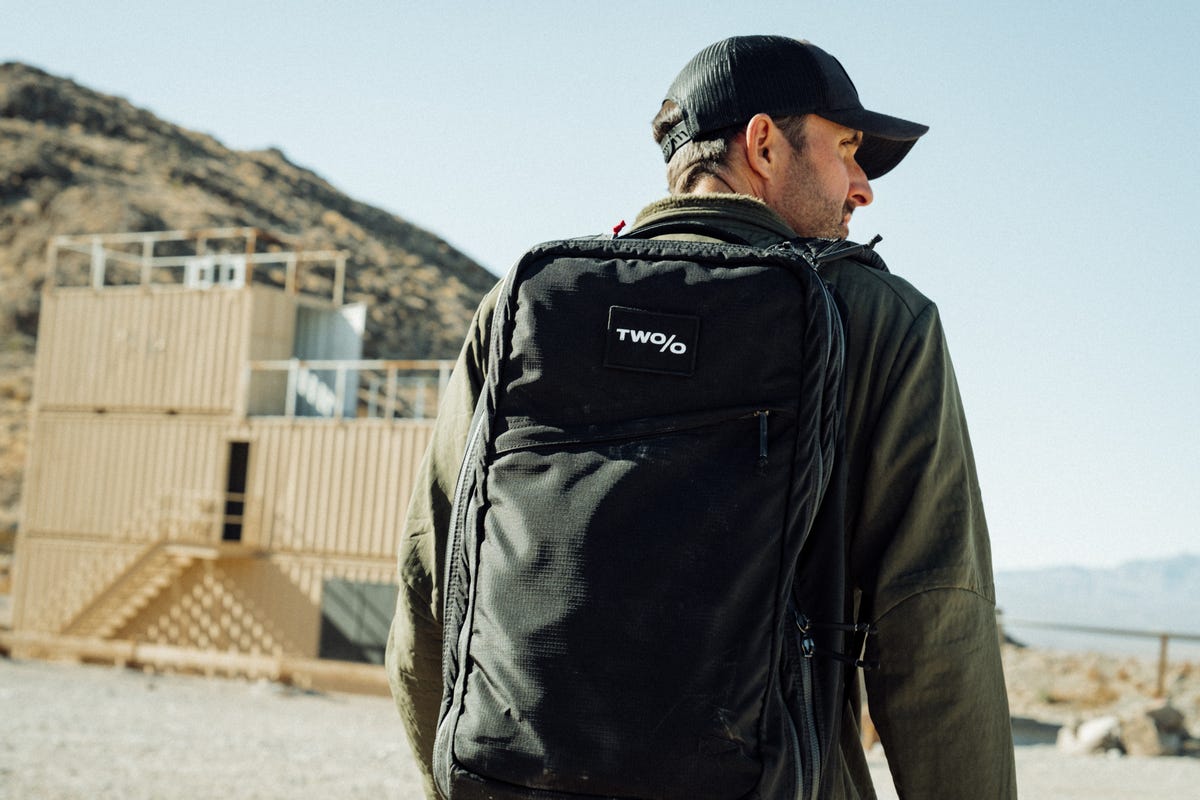
Credit: www.twopct.com
Origins Of Backpack Journalism
Backpack journalism began as a new way for reporters to gather and share news. It focuses on using minimal equipment, often carried in a backpack. This style allows journalists to be flexible and ready to report from anywhere. It changed how stories are told and who tells them.
The idea came from the need to cover news quickly and on a smaller budget. Journalists could work alone instead of large teams. This made reporting more personal and immediate. The term “backpack journalism” reflects this simple, mobile approach.
Early Days And Influences
The roots of backpack journalism trace back to the 1990s. Advances in technology made cameras and recording devices smaller. Laptops and digital tools became lighter and cheaper. Journalists started using these tools to report from the field directly.
Influential reporters and educators helped spread the idea. They taught journalists to use a mix of writing, photography, and video. This mix created powerful, multi-media stories from a single person. The approach attracted many who wanted more freedom in their work.
Shift From Traditional Reporting
Traditional reporting often relied on large teams and heavy equipment. Backpack journalism broke this model by simplifying the process. One person could now handle shooting, editing, and writing. This speed and independence changed newsroom dynamics.
The shift allowed reporters to reach remote or dangerous places more easily. It also gave audiences more diverse and personal stories. News became more immediate and connected to real-time events. Backpack journalism opened new paths for storytelling.
Credit: www.bmwblog.com
The Term ‘backpag’ Explained
The term ‘Backpag’ often raises questions for many readers. It sounds similar to other words, but it holds a unique meaning for Backpack Journalists. Understanding this term helps readers connect better with the brand and its story. Let’s explore the origins and clear up common misunderstandings.
Roots Of The Name
‘Backpag’ is a clever twist on the word ‘backpack.’ It reflects the idea of carrying stories and tools wherever you go. The name shows the spirit of adventure and readiness for any situation.
Backpack Journalists often travel light but stay prepared. The term ‘Backpag’ captures this balance perfectly. It symbolizes freedom, mobility, and the passion for storytelling on the move.
Common Misconceptions
Many think ‘Backpag’ is a typo or mistake. Some confuse it with unrelated terms or brands. This misunderstanding can lead to wrong assumptions about the content.
‘Backpag’ is not a misspelling but a brand identity. It stands for a lifestyle and a way of reporting stories. Clearing this up helps readers appreciate the meaning behind the name.
Key Traits Of Backpack Journalists
Backpack journalists carry their work with them. They move fast and adapt quickly. Their style sets them apart from traditional journalists. Understanding their key traits explains why they are called backpack journalists.
Mobility And Flexibility
Backpack journalists travel light. They can go anywhere at any time. They avoid heavy gear that slows them down. This mobility helps them capture stories others miss. Their flexibility lets them change plans quickly. They respond to events as they happen.
Use Of Minimal Equipment
These journalists use only essential tools. A camera, a notebook, and a small recorder are common. They rely on compact gear that fits in one bag. Minimal equipment makes their work simple and efficient. It helps them focus on the story, not the tools.
Impact On Modern Journalism
The name “Backpag” highlights a fresh approach to journalism. It reflects how journalists carry their stories and tools on the go. This style impacts modern journalism deeply. It changes how news is gathered and how stories are told.
Changing News Gathering Methods
Backpag journalists use backpacks, not just notebooks. They carry cameras, recorders, and laptops everywhere. This mobility lets them capture events quickly. They reach places traditional reporters might miss. It helps them report from the heart of the story. This method speeds up news delivery. It makes reporting more flexible and immediate.
Expanding Storytelling Horizons
With Backpag, storytelling goes beyond words. Journalists mix photos, videos, and audio in their stories. This mix creates a richer experience for readers. It helps audiences understand events better. Stories become more vivid and real. Journalists can share diverse perspectives easily. This style brings news closer to the audience’s daily life.
Challenges Faced By Backpack Journalists
Backpack journalists face many challenges in their work. They often travel alone to report stories. Their work requires courage and quick thinking. These challenges shape why they are called “Backpag.”
Safety Concerns
Safety is a top worry for backpack journalists. They enter areas with conflicts or natural disasters. Risk of violence or arrest is high. They must stay alert and avoid dangerous spots. Sometimes, they work without backup or support. Protecting themselves and their equipment is a constant task.
Resource Limitations
Backpack journalists carry limited gear and supplies. They cannot bring heavy cameras or large teams. This limits the quality and quantity of their work. Finding power sources and internet can be hard. They often rely on basic tools to capture stories. These limits test their creativity and skills every day.

Credit: www.nytimes.com
Famous Backpack Journalists And Their Stories
Backpack journalists carry their stories and gear on their backs. They travel light and stay ready. Many famous backpack journalists show how powerful this style can be. Their stories inspire new generations of reporters. They prove that great journalism does not need heavy equipment or large teams.
Notable Figures
Robert Capa is one of the most famous backpack journalists. He covered wars with only a camera and courage. Martha Gellhorn traveled with just a backpack too. She reported from many war zones with honesty and grit. Another well-known figure is Christiane Amanpour. She started as a backpack journalist and became a global correspondent. These journalists show that backpacking helps reporters reach the heart of the story.
Memorable Reports
Robert Capa’s photos from the D-Day invasion remain iconic. His work brought the reality of war to the public. Martha Gellhorn’s reports on the Spanish Civil War moved many people worldwide. Christiane Amanpour’s coverage of the Gulf War was clear and fearless. Each report shows how backpack journalists capture moments others cannot. Their ability to move quickly and adapt makes their stories unique and powerful.
Future Of Backpack Journalism
The future of backpack journalism is bright and full of change. This style of reporting relies on small teams or solo journalists who carry light gear. They travel fast and report on stories from any location.
As technology advances and audiences shift, backpack journalism must adapt. New tools and changing viewer habits shape how stories are told and shared. Understanding these trends helps explain why the term “Backpag” fits this modern approach.
Technological Innovations
New devices make reporting easier and faster. Lightweight cameras and smartphones capture high-quality videos on the go. Drones offer unique angles and perspectives from above. Portable editing software lets journalists create content anywhere. Internet access improves live reporting and instant uploads. These tools reduce the need for large crews and heavy equipment. Journalists can now tell stories from remote or dangerous places quickly.
Evolving Audience Expectations
Audiences want real, raw, and immediate content. They prefer stories that feel personal and authentic. Short videos and live streams keep viewers engaged. People expect updates from their phones and social media. Interactivity and feedback are becoming more important. Backpack journalists meet these needs by being close to the action. They deliver timely news with a personal touch. This approach matches the fast pace of today’s news cycle.
Frequently Asked Questions
Why Is Backpack Journalist Called Backpag?
Backpag is a shortened form of Backpack Journalist. It reflects their mobile, versatile approach to journalism. The name highlights freedom and on-the-go storytelling, making it catchy and memorable for readers and followers.
What Does Backpag Symbolize For Journalists?
Backpag symbolizes independence, mobility, and authentic reporting. It shows journalists can work anywhere with minimal gear. This name emphasizes adaptability and a hands-on approach to news gathering.
How Did The Name Backpag Originate?
The name Backpag originated by blending “Backpack” and “Journalist. ” This fusion captures the essence of traveling reporters carrying essential tools in a backpack. It appeals to modern, flexible journalism styles.
Is Backpag Popular Among Travel Journalists?
Yes, Backpag is popular among travel journalists. It represents their lifestyle of exploring places while reporting stories. The term connects well with audiences interested in travel and authentic experiences.
Conclusion
Backpack Journalist is called Backpag because it suits their style. They carry their gear on their back, ready to explore. This name shows their love for travel and storytelling. It fits their simple, on-the-go approach to news. Readers can expect honest, real stories from them.
The name is easy to remember and catchy. It reflects freedom and adventure in journalism. That’s why Backpag is more than just a name. It’s a way of working and seeing the world.

