
Have you ever wondered why the Fossil Preston Backpack suddenly disappeared from stores? If you loved its style and functionality, this change might have caught you off guard.
You’re not alone. Many fans of the Preston Backpack have been asking the same question: why did Fossil decide to discontinue such a popular bag? You’ll discover the surprising reasons behind this decision and what it means for you. Keep reading to find out everything you need to know about the Preston Backpack’s unexpected farewell.
Fossil’s Preston Backpack History
The Fossil Preston Backpack has an interesting story. It was once a popular choice for many. The bag combined style and function in one product. Over time, it became a symbol of modern, casual fashion. People loved it for daily use and travel alike. Understanding its history helps explain why Fossil made certain decisions about it.
Launch And Popularity
The Preston Backpack launched several years ago. It quickly caught the attention of young professionals. Its arrival filled a gap in the market for stylish, durable backpacks. Many buyers praised its quality materials and trendy look. The backpack gained popularity in both urban and college settings. Sales were strong during the first few years.
Design Features
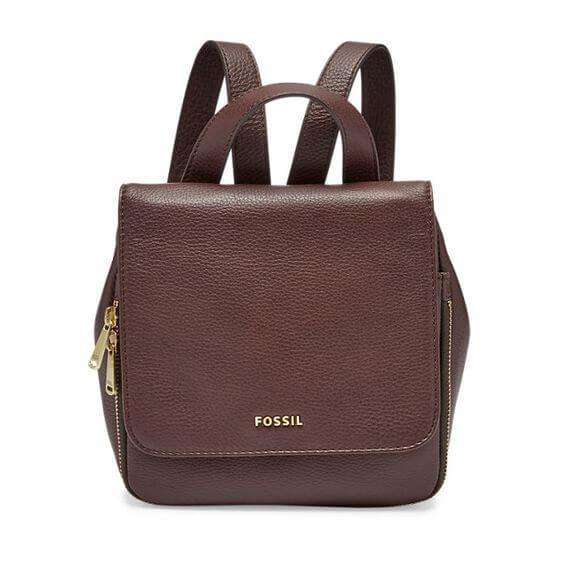
The backpack featured a clean, minimal design. It used high-quality leather and sturdy fabric. Multiple compartments allowed for organized storage. Padded straps made it comfortable for long wear. The design balanced fashion and practicality well. It appealed to those who wanted both style and function.
Target Audience
Fossil aimed the Preston Backpack at young adults. The bag suited students, workers, and travelers. People who value style and convenience found it appealing. The price point matched the mid-range market well. It was not just a backpack but a fashion statement. This clear focus helped build its loyal fan base.
Sales Performance Issues
Sales performance was a major reason for Fossil discontinuing the Preston Backpack. The product did not meet the company’s sales goals. This led Fossil to rethink its place in the market and focus on other items. Sales issues often signal deeper problems like weak demand, tough competition, or pricing problems.
Declining Demand
Demand for the Preston Backpack dropped over time. Customers chose other styles and brands more often. The backpack’s features did not attract many buyers. This drop in interest lowered overall sales. Fossil found it hard to keep making a product few people wanted.
Market Competition
The backpack market is crowded and competitive. Many brands offer similar or better options. Some competitors had stronger designs and better prices. This made it difficult for the Preston Backpack to stand out. Customers often picked alternatives that felt more valuable or trendy.
Pricing Challenges
The Preston Backpack’s price was a challenge. It was higher than many rival products. Buyers did not see enough extra value to pay more. Pricing issues limited the number of customers willing to buy. Fossil had to consider cutting prices or stopping the product.
Production And Supply Chain Factors
The decision to discontinue the Preston Backpack by Fossil involved many production and supply chain factors. These challenges affected the overall ability to keep the product in the market. Understanding these factors helps explain why the backpack is no longer available. Production costs, sourcing materials, and delivery issues all played a role.
Manufacturing Costs
Manufacturing the Preston Backpack became more expensive over time. Rising labor and factory expenses increased the total cost. Fossil needed to keep prices competitive but struggled due to these higher costs. Cutting corners was not an option because quality must stay high. This cost pressure made continuing production difficult.
Material Sourcing Problems
The backpack required specific materials that became harder to find. Some suppliers stopped offering the needed fabrics and hardware. This scarcity raised prices and delayed production schedules. Fossil had to search for new sources, which slowed down the process. Material issues disrupted the smooth flow of creating the backpacks.
Logistics Delays
Shipping delays affected how quickly the backpacks reached stores. Global supply chain problems caused longer transit times. Delays increased storage costs and reduced product availability. Fossil could not guarantee timely delivery to customers. These logistics challenges made sustaining the Preston Backpack less viable.
Credit: www.radleylondon.com
Changing Fashion Trends
Fashion changes quickly. What was popular last year might not be popular now. Brands must keep up with these changes to stay relevant. Fossil’s Preston Backpack was once a favorite. Over time, changing fashion trends affected its demand. This section explores why these trends led Fossil to stop making the Preston Backpack.
Shift In Consumer Preferences
Consumers want bags that match their daily needs. Many prefer lighter, smaller bags now. Large, bulky backpacks like the Preston became less popular. People seek comfort and ease in their accessories. The shift means some styles no longer fit the market.
Rise Of Minimalist Styles
Simple, clean designs are in style today. Minimalist bags attract more buyers. The Preston Backpack had a classic, busy look. This style contrasts with the current trend. Brands focus on sleek, less complicated designs to attract customers.
Influence Of Sustainability
More buyers care about the environment. They want products made from eco-friendly materials. Bags that use sustainable methods gain favor. Fossil had to rethink its product line. The Preston Backpack did not fully meet these new standards. This influenced the decision to discontinue it.
Brand Strategy Shifts
Fossil’s decision to discontinue the Preston Backpack reflects a shift in the brand’s overall strategy. The company aims to stay competitive and relevant in a changing market. This change involves focusing on new products, refreshing its brand image, and adjusting its target audience.
Focus On New Product Lines
Fossil has started prioritizing new product lines that match current trends. The brand wants to introduce bags with modern designs and features. These new products attract younger buyers and tech-savvy customers. The Preston Backpack no longer fits this fresh product direction.
Rebranding Efforts
Fossil is working on rebranding to update its look and feel. The company wants a style that connects better with today’s consumers. Old product models like the Preston Backpack do not match the new brand image. Removing such items helps Fossil show a more modern identity.
Target Market Realignment
Fossil is adjusting its target market to focus on a narrower group. The brand aims to serve customers who prefer sleek and functional designs. The Preston Backpack appeals to a broader audience, which conflicts with this focused approach. This realignment makes Fossil’s marketing clearer and more effective.
:format(webp)/https://static-sg.zacdn.com/p/fossil-9713-2110282-1.jpg)
Credit: americanprepschool.com
Customer Feedback And Reviews
Customer feedback and reviews play a big role in product decisions. They show what buyers like and dislike. For the Fossil Preston Backpack, customer opinions helped shape its fate. This section explores common complaints, positive highlights, and how these affected sales.
Common Complaints
Many users said the backpack felt small for daily use. Some mentioned the straps were uncomfortable after long wear. A few buyers found the material less durable than expected. Others noted the pockets lacked enough space for essentials. These issues caused frustration among loyal customers.
Positive Highlights
Customers liked the sleek and stylish design of the Preston Backpack. They praised its lightweight build and easy-to-carry shape. The leather finish received compliments for looking classy and neat. Several users appreciated the organized compartments for small items. These features earned praise despite some drawbacks.
Impact On Sales
Negative feedback likely slowed down the backpack’s sales. Complaints about size and comfort made buyers hesitate. Positive reviews helped maintain a steady interest for a time. Overall, mixed reactions may have led Fossil to stop making the Preston Backpack. Customer voices had a clear effect on its market presence.
Industry Expert Insights
Industry experts provide clear views on why Fossil stopped the Preston Backpack. Their insights help us understand the brand’s decision better.
Experts from different fields share opinions based on trends, sales, and market shifts. These views give a full picture of the situation.
Fashion Analysts’ Opinions
Fashion analysts note changes in consumer tastes. Backpacks with bold designs are less popular now. Simple and practical bags gain more attention.
Preston Backpack’s style might not fit current fashion trends. Analysts say brands must adapt quickly or lose sales. The choice to discontinue fits this idea.
Retailer Perspectives
Retailers report slower sales for the Preston Backpack. Customers prefer smaller or more versatile bags. Stock space is limited, so slow sellers get cut.
Some retailers believe Fossil wanted to focus on newer products. They say stores need fresh styles to keep buyers interested. The Preston Backpack may have felt outdated to shoppers.
Market Analyst Predictions
Market analysts predict Fossil aims to streamline its product line. Cutting less popular items improves overall profits. It also frees resources for innovation.
Experts expect Fossil to invest in bags that match modern demands. They highlight tech-friendly features and sustainable materials. The Preston Backpack lacked these, reducing its future appeal.
Credit: balilene.com
What This Means For Fossil Fans
The decision to discontinue the Preston Backpack has surprised many Fossil fans. This change affects those who loved its style and function. It also shapes what fans can expect from Fossil in the future. Understanding this helps fans adjust and find new favorites.
Alternatives To Preston Backpack
Fossil offers other backpacks with similar designs and quality. Look for models with clean lines and durable materials. These bags keep the classic Fossil feel. Many have extra pockets and sturdy straps. They suit daily use and travel well. Fans can find options that fit their style and needs.
Future Product Expectations
Fossil is known for evolving its designs. New backpacks may focus on lighter weights and modern looks. Expect more eco-friendly materials too. The brand listens to customer feedback closely. Fresh styles may blend tradition with new trends. This means fans will see updated collections soon.
Collectibility And Resale Value
The Preston Backpack may become a collector’s item. Limited availability can increase its value over time. Fans who own one might find it more special now. Resale prices could rise as demand stays steady. This makes the backpack a smart find for collectors.
Frequently Asked Questions
Why Did Fossil Discontinue The Preston Backpack?
Fossil discontinued the Preston Backpack due to shifting market demand. They aimed to focus on more popular, high-selling products. This strategic move helped streamline their inventory and improve overall brand efficiency.
Was The Preston Backpack Unpopular Among Customers?
The Preston Backpack faced moderate popularity but didn’t meet sales expectations. Customer feedback indicated preferences for updated designs and features, prompting Fossil to phase it out.
Are There Alternatives To The Preston Backpack From Fossil?
Yes, Fossil offers several stylish, functional backpacks as alternatives. These newer models feature modern designs and improved materials, catering to current customer preferences.
Can I Still Buy The Preston Backpack Online?
Some retailers may have limited Preston Backpack stock available. However, Fossil’s official website no longer sells it, reflecting its discontinued status.
Conclusion
Fossil stopped making the Preston Backpack due to changing trends and costs. The company chose to focus on other styles customers want more. Limited demand and production expenses played a big role. Fans may miss its classic look and quality.
Yet, Fossil continues to offer many other backpacks. This change helps Fossil stay competitive and fresh in the market. The Preston Backpack’s end shows how brands must adapt over time. Customers can find new options that fit their needs today.