Have you ever wished your phone or tablet could charge while you’re on the move, without the hassle of tangled cords or hunting for an outlet? Backpacks with USB ports are designed to solve exactly that problem.
But why do some backpacks have these built-in ports, and how can they make your daily life easier? Keep reading to discover the smart features behind these modern backpacks and why they might be the perfect companion for your busy lifestyle.

Credit: www.matein.com
Purpose Of Usb Ports On Backpacks
Backpacks with USB ports have become popular for a clear reason. They offer a simple way to keep devices charged and ready. The purpose of these USB ports is to make charging easier while moving around. This feature helps people stay connected without carrying extra chargers or hunting for outlets.
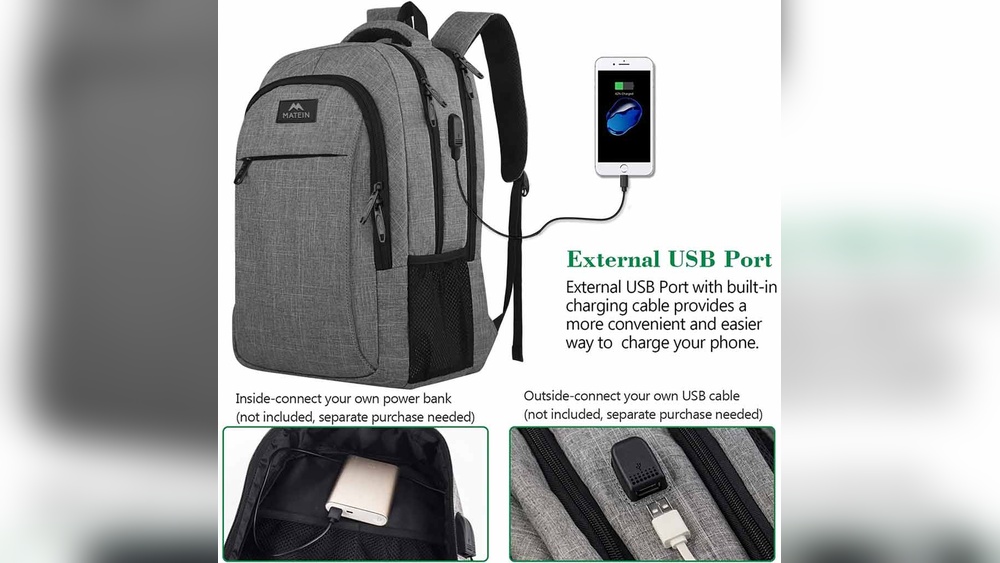
The USB port on a backpack connects to a power bank inside the bag. This setup lets users charge phones, tablets, or other gadgets outside the bag. It is practical for travelers, students, and busy professionals who need power anytime.
Charging On The Go
USB ports on backpacks allow charging without stopping. Users can power devices while walking or commuting. No need to find a power socket or sit still. This keeps devices charged even during long trips or busy days.
Easy Access To Power
The USB port is placed where it is easy to reach. Users plug in their device cables without opening the bag. This reduces hassle and keeps gadgets secure inside. It also keeps cables organized and untangled.
Tech-savvy Design
Backpacks with USB ports show a modern, tech-friendly style. They appeal to people who use gadgets daily. The design adds value by combining fashion and function. This makes backpacks more useful and attractive for everyday use.

Credit: www.matein.com
How Usb Ports Work In Backpacks
USB ports in backpacks offer a smart way to charge devices on the go. These backpacks have built-in features that connect power sources to your gadgets easily. Understanding how USB ports work helps you use them better. The system inside the backpack makes charging simple and safe.
Internal Power Bank Storage
Most backpacks with USB ports have a special pocket inside. This pocket holds a power bank securely. The power bank is not included with all backpacks, so you may need to add one. This storage keeps the power bank safe and hidden. It also stops the power bank from moving around while you walk.
Port Placement And Accessibility
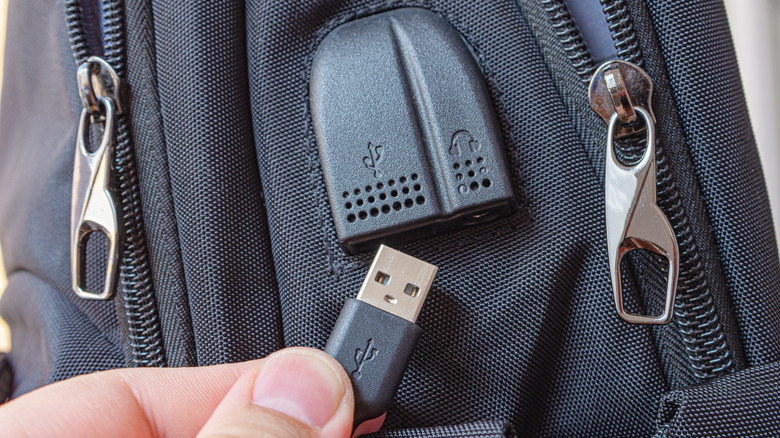
The USB port sits on the outside of the backpack. It is usually placed on the side or near the top. This makes it easy to plug in your charging cable. You do not need to open the backpack to use the port. The design keeps the port protected from dirt and damage.
Connection To Devices
Inside the backpack, a cable links the power bank to the USB port. You connect your phone or tablet to the external USB port. This setup lets you charge your device while carrying the backpack. It keeps your device handy and charged without needing to hold the power bank.
Benefits Of Usb-enabled Backpacks
USB-enabled backpacks offer many practical benefits. They blend technology with everyday use. These backpacks help keep your devices powered without stopping your activities. They suit many lifestyles, from students to professionals.
These backpacks make carrying and charging devices easier. They add convenience and reduce hassle during daily travel. The USB ports built into the backpacks allow easy access to power. Users can charge phones, tablets, or other gadgets on the move.
Convenience For Travelers And Commuters
Travelers and commuters find USB backpacks very useful. Charging devices on buses, trains, or airports is simple. No need to find an outlet or hold a power bank. The backpack acts as a mobile charging station. This convenience saves time and stress during trips.
Keeping Devices Charged Anywhere
USB backpacks let you charge devices anywhere at any time. A power bank inside connects to the USB port outside. This setup keeps devices powered without opening the bag. Staying connected is easier during long days out. No more worrying about dead batteries in important moments.
Reducing Cable Clutter
Built-in USB ports help organize charging cables neatly. No more tangled wires inside the backpack. Cables stay fixed inside while devices connect outside. This reduces mess and makes charging simple. The clean setup saves space and prevents damage to cables.
Choosing The Right Usb Backpack
Choosing the right USB backpack is important for daily use. It helps keep your devices charged and safe. Not all USB backpacks are the same. Some have better features and quality. Knowing what to check can save money and avoid problems.
Focus on key aspects like battery power, build strength, and extra features. These points make a big difference in how useful the backpack will be.
Battery Capacity Considerations
The battery in a USB backpack powers your devices. Check the battery size in milliamp hours (mAh). Larger capacity means more charges for your phone or tablet. A 10,000 mAh battery is good for daily use. Smaller batteries may run out quickly. Also, see if the battery is removable. This helps to replace or upgrade it later.
Build Quality And Durability
A strong backpack lasts longer and protects your gear. Look for water-resistant materials to keep electronics dry. Reinforced zippers and seams add extra strength. Padded compartments prevent damage to laptops and tablets. Comfortable straps make carrying easier. Avoid thin or cheap fabrics that tear easily.
Additional Features To Look For
Extra pockets help organize chargers, cables, and other items. Some backpacks have anti-theft locks or hidden compartments. Reflective strips improve safety at night. USB backpacks with fast charging ports save time. Check if the backpack supports multiple devices charging at once. Small details can improve your daily experience.
Potential Drawbacks To Consider
Backpacks with USB ports offer handy charging on the go. Still, some drawbacks deserve attention before buying one. Knowing these can help you choose the right backpack for your needs.
Weight And Bulk
USB backpacks often weigh more than regular backpacks. The built-in wiring and port add extra bulk. This can make the backpack less comfortable for long use. Carrying extra weight may tire your shoulders faster.
Dependency On External Power Banks
The USB port does not provide power by itself. You need to connect a power bank inside the backpack. Without a power bank, the USB port is useless. This means carrying an additional device every time.
Cost Factors
Backpacks with USB ports usually cost more. The added technology raises the price compared to standard backpacks. Some users may find the extra cost not worth it. Budget-conscious buyers should consider this before purchasing.
Credit: www.slashgear.com
Frequently Asked Questions
Why Do Backpacks Have Usb Ports?
Backpacks have USB ports to allow easy device charging on-the-go. They connect an internal power bank to external devices, offering convenience and reducing the need to carry separate chargers.
How Do Usb Ports In Backpacks Work?
USB ports in backpacks connect to a power bank inside. You plug your device into the external port, drawing power from the internal battery for seamless charging.
Are Backpacks With Usb Ports Safe To Use?
Yes, backpacks with USB ports are safe when used properly. They use standard USB technology and rely on external power banks, which have built-in safety features.
Can Any Backpack Usb Port Charge All Devices?
Most backpack USB ports support standard USB charging compatible with phones, tablets, and other gadgets. However, charging speed and compatibility depend on the power bank used inside.
Conclusion
Backpacks with USB ports make charging devices easier on the go. They save time and keep your gadgets powered. No need to carry extra chargers or search for outlets. These backpacks suit students, travelers, and busy professionals well. They combine convenience with practicality in daily life.
Choosing one means staying connected without hassle. A small feature with big benefits. Simple, useful, and designed for modern needs.