
Have you ever reached for a quick drink or your phone, only to realize your backpack has no side pockets? It feels frustrating, right?
You might wonder why so many backpacks skip these seemingly useful spots. The truth is, there’s more behind this design choice than meets the eye. Keep reading, and you’ll discover surprising reasons that could change the way you pick your next backpack—and make your daily carry much smarter.
Credit: www.walmart.com
History Of Backpack Design
The history of backpack design reveals why many backpacks lack side pockets. Backpacks have changed a lot over time. Their shapes and features evolved to meet different needs. Understanding this history helps explain the choices made in modern backpacks.
Early Backpack Styles
Early backpacks were simple cloth or leather bags. People used them to carry food and tools. These bags had one large compartment. Side pockets were rare because the focus was on carrying capacity. Durability mattered more than extra features. Straps were basic and often uncomfortable. The main goal was to keep items secure and easy to carry.
Evolution Of Modern Backpacks
Modern backpacks changed with outdoor activities and travel. Designers added multiple compartments for better organization. Still, many backpacks left out side pockets. Side pockets could add bulk or catch on objects. Some materials used for backpacks were not suited for extra pockets. Comfort and streamlined design took priority. Today’s backpacks focus on balance between space and ease of use.
Common Backpack Features
Backpacks come with many features designed to hold and organize items. Understanding these common features helps explain why some elements, like side pockets, may be missing. Each backpack has a specific layout to fit different needs and styles.
Some compartments are standard in most backpacks. Others vary based on purpose and design. Knowing these parts gives insight into backpack choices and their limitations.
Standard Compartments
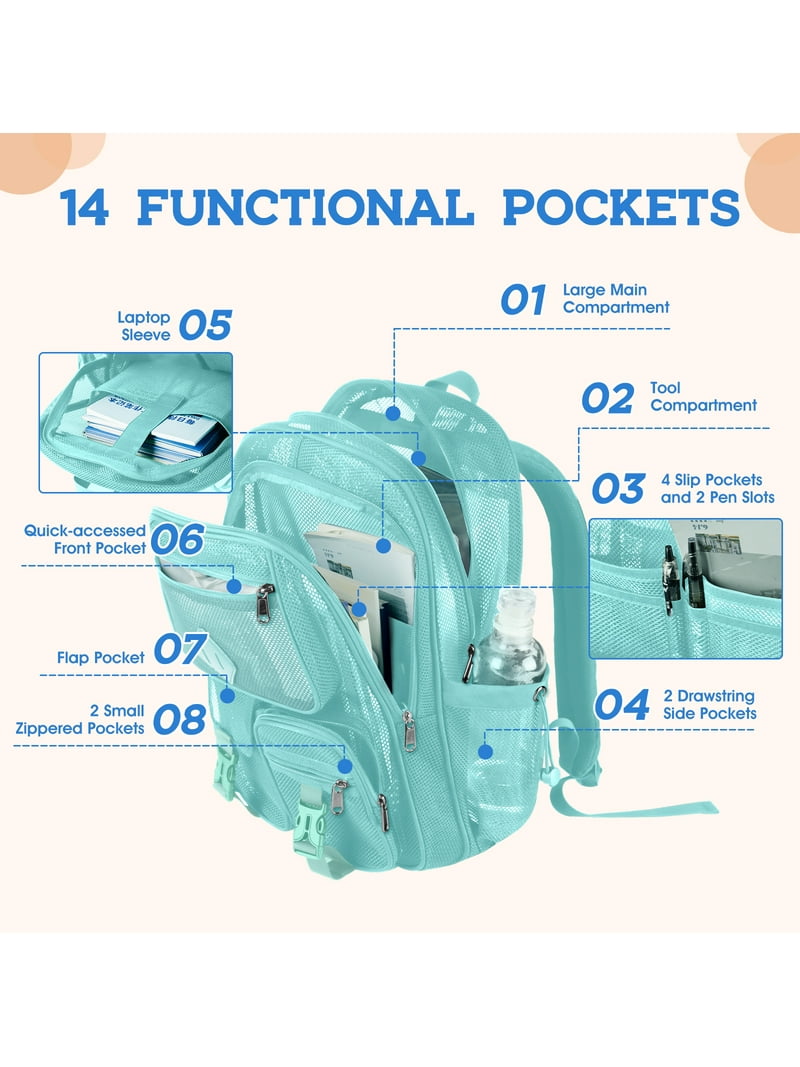
Most backpacks have a main compartment to store larger items. This space usually fits books, clothes, or laptops. A smaller front pocket often holds small essentials like keys or phones. Some backpacks include padded sections to protect electronics. These compartments keep items safe and easy to access.
Popular Pocket Types
Pockets come in different shapes and sizes. Many backpacks have zippered pockets for security. Mesh pockets on the sides hold water bottles or umbrellas. Some designs use hidden pockets for valuables. Each type serves a clear purpose and helps organize belongings.
Challenges With Side Pockets
Side pockets on backpacks seem useful, but they bring several challenges. These problems affect the bag’s durability and comfort. Many backpack makers avoid side pockets to keep the bag strong and balanced.
Structural Weakness
Side pockets can make the backpack less sturdy. Adding pockets on the sides means extra seams and stitches. These areas often wear out faster. The pockets can tear or sag with heavy use. This reduces the backpack’s lifespan. Without side pockets, the bag stays solid and lasts longer.
Weight Distribution Issues
Side pockets can cause uneven weight on the backpack. Carrying heavy items on the sides pulls the bag off balance. This can strain the shoulders and back. It makes walking or hiking uncomfortable. Backpacks without side pockets keep weight closer to the body. This helps maintain better posture and comfort.

Credit: www.amazon.com
Security Concerns
Backpacks without side pockets often raise questions about safety. Security concerns play a big role in this design choice. Side pockets may seem useful but can create risks. Storing items there makes them easy targets for thieves. This risk drives many designers to avoid side pockets.
Vulnerability To Theft
Side pockets are easy to reach. Thieves can quickly grab items without being noticed. Crowded places increase this risk. Pickpockets find side pockets convenient to steal from. Open or loose pockets offer no protection. This vulnerability makes side pockets less secure.
Keeping Items Safe
Backpacks without side pockets help keep belongings safer. Items stay inside main compartments with zippers. This design reduces the chance of losing things. It also lowers the risk of theft. Secure compartments give peace of mind. Safety is a key factor in backpack design.
Design Priorities
Backpacks are designed with many factors in mind. Designers balance looks, function, and user needs. One key focus is design priorities. These priorities affect why some backpacks lack side pockets. Understanding these priorities reveals why side pockets are sometimes left out.
Durability And Strength
Backpacks must be strong to carry heavy loads. Adding side pockets can weaken the bag’s structure. Side pockets often use thinner material. This can cause tears or wear faster. Removing side pockets helps keep the backpack tough. It also allows designers to use stronger fabric all around. Fewer seams mean fewer weak spots. This improves the backpack’s lifespan.
Comfort And Ergonomics
Comfort is key in backpack design. Side pockets can add bulk or uneven weight. This can cause discomfort or strain on the shoulders. Without side pockets, the bag sits closer to the back. This helps keep the weight balanced. It also makes moving easier. Designers aim for a smooth shape that fits the body well. This reduces pressure points and improves posture.
Credit: www.walmart.com
Exceptions To The Rule
Most backpacks do not have side pockets. This design choice is common for many reasons, such as safety and durability. Yet, some backpacks break this rule. These exceptions show how side pockets can be useful in certain cases.
Backpacks With Side Pockets
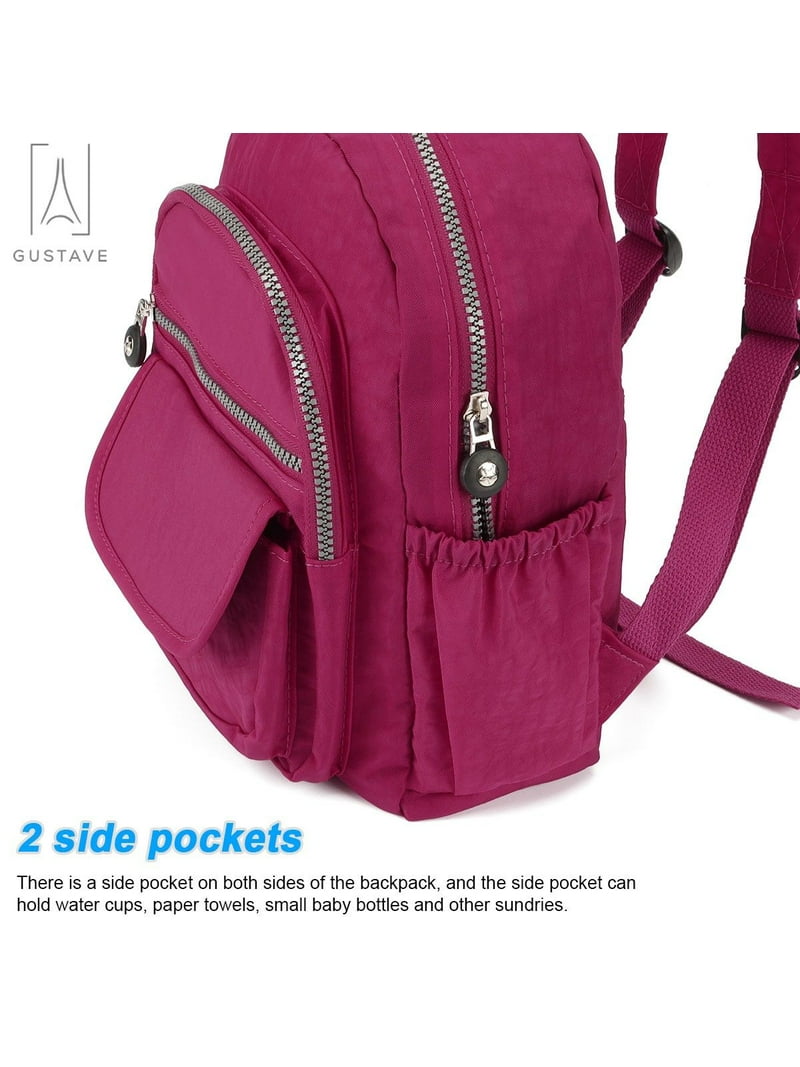
Some backpacks include side pockets for easy access. They often hold water bottles or umbrellas. These pockets are usually made of mesh or stretch fabric. This lets users grab items quickly without opening the main bag. Hiking backpacks and school bags often feature these pockets.
When Side Pockets Work
Side pockets work well when you need quick access to small items. They help keep things organized and within reach. For example, travelers use side pockets for snacks or travel documents. Cyclists use them for water bottles during rides. The pockets must be secure to avoid losing items.
Future Backpack Innovations
Backpacks are evolving. Designers rethink features like side pockets. These changes aim to meet modern needs. The future holds smart solutions that blend style and use. Innovations focus on comfort, safety, and convenience.
New Materials And Designs
New fabrics offer strength and lightness. They resist water and dirt better. Designs include hidden compartments for security. Some backpacks use flexible shapes to fit various items. Breathable materials improve comfort during long wear.
Balancing Function And Style
Backpacks now mix look and purpose. Sleek designs avoid bulky side pockets. Pockets appear inside or in clever spots. The goal is easy access without losing style. Minimalism meets utility for daily use.
Frequently Asked Questions
Why Do Some Backpacks Have No Side Pockets?
Backpacks may lack side pockets to improve durability and reduce bulk. Designers focus on sleek, compact shapes for easier carrying and better weight distribution.
Are Side Pockets Unnecessary In Modern Backpacks?
Side pockets can be unnecessary if the backpack is designed for minimalism or specific uses. Many users prefer internal compartments for security and organization.
How Do Backpacks Without Side Pockets Benefit Users?
Backpacks without side pockets offer a cleaner look and less chance of items falling out. They also enhance water resistance and increase overall backpack strength.
Can Backpacks Without Side Pockets Carry Water Bottles?
Some backpacks without side pockets include internal compartments or straps for water bottles. Users may need external bottle holders or carry separate accessories.
Conclusion
Backpacks often skip side pockets to keep things simple and strong. Side pockets can add weight and break the smooth look. They might also catch on things or spill your items. Many designers focus on making backpacks light and easy to use.
You still get plenty of space inside for your stuff. Choosing a backpack without side pockets can mean fewer problems on your trips. It’s a smart choice for those who want comfort and durability. Small design changes can make a big difference in daily use.