If you’ve ever owned or wanted an Oakley Lunchbox Backpack, you know it’s more than just a bag—it’s a statement. So, you might be wondering, why did Oakley stop making this iconic backpack?
You’re not alone. Many fans like you are curious about what led to this sudden change. You’ll discover the surprising reasons behind Oakley’s decision and what it means for you and other Lunchbox lovers. Keep reading to find out the full story and what alternatives you might want to consider next.

Credit: www.oakley.com
Rise Of The Lunchbox Backpack
The Lunchbox Backpack by Oakley gained attention for its unique style and sturdy build. It stood out from other backpacks with its boxy shape and strong materials. This backpack quickly became a favorite for students and athletes alike. It offered a practical way to carry gear and everyday items safely.
The rise of the Lunchbox Backpack shows how design and function can meet user needs. It combined a retro look with modern features. This blend attracted a wide range of users. Oakley created a product that fit into daily life and active lifestyles.
Design And Features
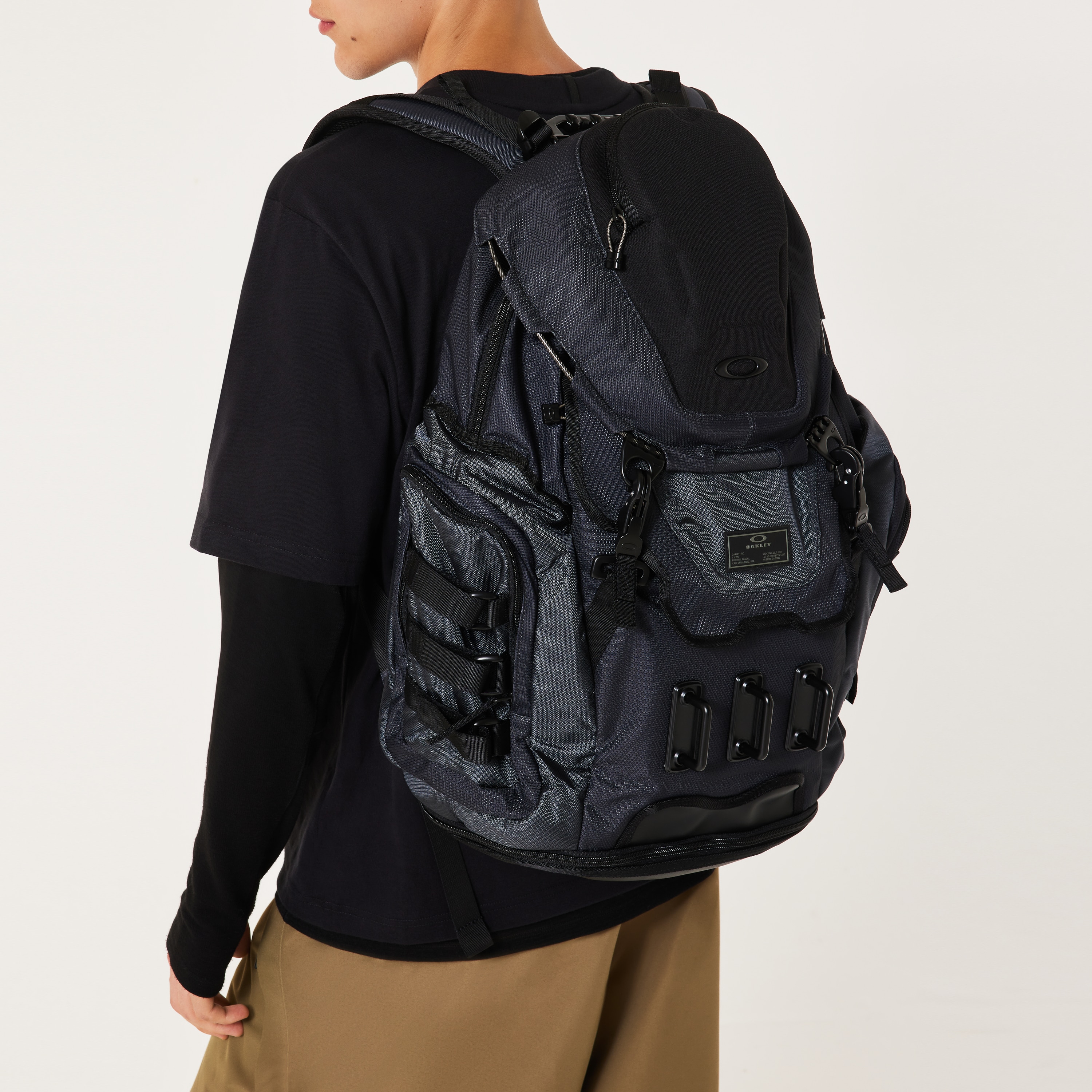
The Lunchbox Backpack had a hard-shell body for extra protection. Its shape resembled a lunchbox, which made it unique. The backpack included multiple compartments for better organization. Padded straps and back support added comfort. The materials used were durable and water-resistant. These features made it ideal for carrying electronics and sports gear safely.
Popularity Among Users
Many users loved the Lunchbox Backpack for its toughness and style. It became popular among students, athletes, and outdoor enthusiasts. The backpack’s look fit well with casual and sporty outfits. People appreciated the organized space for their belongings. Its strong build helped it last through daily use. This popularity made the Lunchbox Backpack a well-known choice for years.
Credit: www.oakley.com
Market Competition And Trends
The market for backpacks has changed a lot in recent years. Brands must keep up with new trends and consumer needs. Oakley’s Lunchbox backpack once stood out for its unique look and strong build. Yet, growing competition and shifting trends made it hard to keep its spot. Understanding these market changes helps explain why Oakley stopped making the Lunchbox.
Changing Consumer Preferences
People want backpacks that fit their daily life better. Lighter bags with more compartments became popular. Many prefer simple designs that match different styles. Comfort also gained priority as more people carry heavy loads. The Lunchbox’s bulky shape did not meet these new needs well.
Consumers also look for eco-friendly materials. Brands using recycled fabrics gained more attention. Oakley’s Lunchbox did not adapt quickly to these demands. This slowed its sales and lowered its appeal.
Emergence Of New Backpack Styles
New backpack styles entered the market with fresh ideas. Slim and sleek bags gained fans among young users. Tech-friendly backpacks with special pockets for gadgets became common. Some brands focused on urban and travel designs with flexible features.
These styles offered more variety and fit different activities. Oakley’s Lunchbox looked outdated compared to these new options. The rise of these backpacks changed what customers wanted to buy.
Production Challenges
The production of the Oakley Lunchbox backpack faced several challenges. These issues made continuing the product difficult. Problems arose in both the cost to make the bag and the materials used.
These production challenges played a big part in Oakley’s decision to stop making the Lunchbox backpack.
Manufacturing Costs
Making the Lunchbox backpack was expensive. Oakley used special designs and parts. These unique features raised the price to produce each bag. The cost was higher than many other backpacks. High costs made it hard to keep the price low for buyers. This reduced profit margins for Oakley. Over time, the expense became too much to handle.
Material Sourcing Issues
Oakley needed specific materials to keep the Lunchbox backpack strong and durable. Finding these materials became harder. Some suppliers stopped providing the needed fabrics and parts. Supply delays slowed down production. Quality materials also cost more money. These problems made it tough to produce enough backpacks. Material issues affected the consistency and availability of the product.
Company Strategy Shifts
Oakley stopped making the Lunchbox backpack due to changes in its company strategy. The brand shifted its focus to new markets and product types. This shift meant some older products like the Lunchbox no longer fit the new goals. The company wanted to align with evolving customer needs and trends.
Brand Focus Changes
Oakley changed its brand focus toward sports and performance gear. It aimed to strengthen its position in eyewear and apparel. The Lunchbox backpack, known for its style, did not match this new focus. Oakley wanted products that supported active lifestyles and high performance.
As a result, the company decided to prioritize items directly linked to sports. This helped Oakley create a clearer identity in a crowded market. The Lunchbox backpack was not part of this streamlined vision.
Product Line Restructuring
Oakley restructured its product line to improve efficiency and sales. It cut some products that had slower sales or less demand. The Lunchbox backpack fell into this category. The company chose to invest in bags designed for specific sports or outdoor activities.
This restructuring helped Oakley focus resources on innovation and new designs. It also simplified the product range, making it easier for customers to choose. The Lunchbox was phased out as the company moved toward a more targeted product line.
Impact On Fans And Collectors
The decision to stop making the Oakley Lunchbox backpack had a strong effect on fans and collectors. This backpack was more than just a bag; it was a symbol of style and function. Many people loved its unique design and durability. The end of its production left a gap in the market and stirred emotions among loyal users.
Collectors especially felt the impact. The Lunchbox became a rare item over time. Its limited availability increased its value and demand. Fans missed the chance to buy new models. This change created a new wave of interest and activity in communities that care about Oakley products.
Resale Market Growth
The resale market for the Lunchbox backpack grew quickly. Prices climbed as fewer backpacks were available. Collectors and fans competed to find good condition bags. Online platforms saw many listings for used and vintage models. Some backpacks sold for much more than their original price. This growth showed how much people valued the Lunchbox.
Community Reactions
Fans shared mixed feelings about the stop in production. Some expressed sadness and disappointment. Others celebrated the backpack as a classic that still holds value. Online forums and social media groups became places to discuss memories and trade backpacks. The community stayed strong, keeping the Lunchbox legacy alive. Fans continue to support each other in finding and preserving these backpacks.
Legacy Of The Lunchbox Backpack
The Lunchbox Backpack left a mark on the world of backpacks. It stood out for its unique style and strong build. Even after Oakley stopped making it, the Lunchbox Backpack remains a favorite among many. Its impact goes beyond just being a bag. It influenced how backpacks are designed today and holds a special place in culture.
Influence On Future Designs
The Lunchbox Backpack introduced bold shapes and tough materials. Designers borrowed these ideas for new backpacks. Its hard shell and wide opening inspired many brands. The focus on protection and style became a trend. Many backpacks today show traces of the Lunchbox’s design.
Cultural Significance
The Lunchbox Backpack became more than gear. It became part of youth culture and sports. Athletes and students chose it for its look and durability. It appeared in photos, videos, and social media. The backpack symbolized strength and individuality for a generation.

Credit: www.kroger.com
Frequently Asked Questions
Why Did Oakley Stop Making The Lunchbox Backpack?
Oakley discontinued the Lunchbox backpack due to changing market demands and production costs. They shifted focus to new designs and technologies to meet current customer preferences and improve product innovation.
Was The Lunchbox Backpack Popular Before It Stopped?
Yes, the Lunchbox backpack was highly popular for its durability and unique design. It became a favorite among athletes and outdoor enthusiasts for years before being discontinued.
Are There Any Alternatives To The Oakley Lunchbox Backpack?
Oakley offers newer backpacks with advanced materials and features. Other brands also provide durable and stylish backpacks similar to the Lunchbox for outdoor and everyday use.
Can I Still Buy The Oakley Lunchbox Backpack?
The Lunchbox backpack is no longer in production, but you may find used or limited stock online. Check secondhand markets and specialty stores for availability.
Conclusion
Oakley stopped making the Lunchbox backpack due to changing market trends. They focused on new designs and technologies. Many fans still miss its unique style and durability. Other brands now fill the gap with similar products. The Lunchbox remains a favorite in memories and collections.
It shows how products evolve with time and demand. Customers look for fresh ideas and better features today. Oakley’s decision reflects the need to stay competitive and relevant. The Lunchbox story reminds us that not all great products last forever.