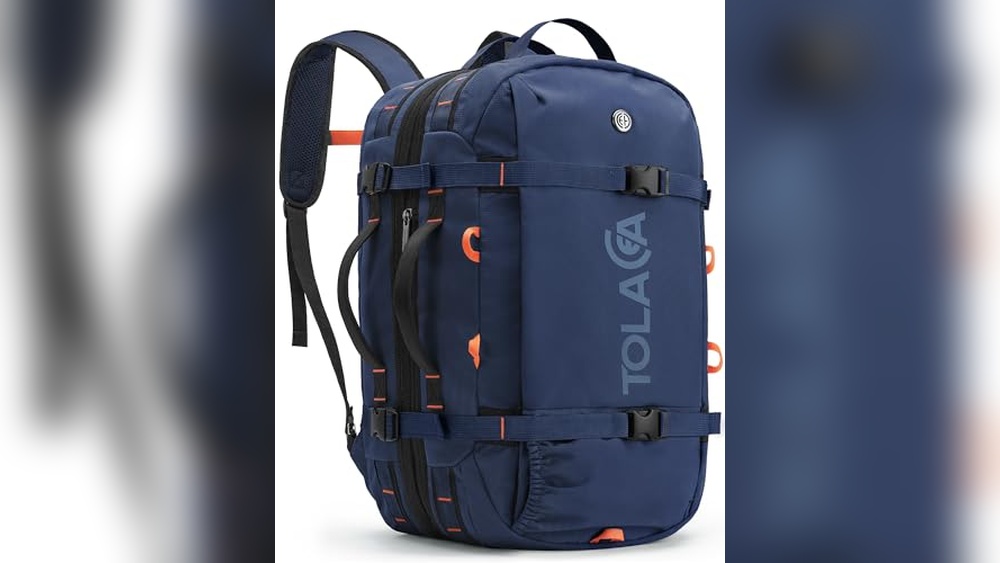
Packing your backpack might seem simple, but doing it the right way can make all the difference in your comfort and convenience. Have you ever felt your bag pulling you down or struggled to find what you need at the worst moment?
What if you could avoid that frustration and carry your essentials with ease? This guide will show you exactly how to pack your backpack smartly, so you stay organized, balanced, and ready for anything. Keep reading, and you’ll discover easy tips that transform your packing experience for good.
Choosing The Right Backpack
Choosing the right backpack is the first step to packing smart. A good backpack holds everything you need without causing discomfort. It fits your body and suits your travel style. Picking the perfect bag makes your trip easier and more fun.
Size And Capacity
The size of your backpack depends on your trip length. Small bags work well for day trips or light packing. Larger backpacks suit longer travels or more gear. Capacity is measured in liters. Choose a size that fits your items without too much extra space.
Material And Durability
Backpacks made from strong materials last longer. Look for fabrics like nylon or polyester. These resist water and tears. Durable zippers and stitching keep the bag reliable. A tough backpack protects your belongings in rough conditions.
Comfort And Fit
Comfort matters a lot when carrying a backpack. Padded shoulder straps reduce pressure on your shoulders. Adjustable straps help you find the right fit. A backpack that fits your body shape avoids pain and tiredness. Look for bags with back padding for extra support.
Essential Packing Gear
Packing your backpack right saves space and keeps things neat. Essential packing gear helps organize your items and protect them. Choosing the right tools makes your travel easier and stress-free.
Packing Cubes And Organizers
Packing cubes keep clothes and items separated. They make it easy to find things fast. Use different cubes for shirts, pants, and accessories. Organizers also help keep small items like chargers tidy. This gear keeps your backpack clutter-free and sorted.
Compression Bags
Compression bags reduce the size of bulky clothes. They work by squeezing air out to save space. Use them for jackets, sweaters, and sleeping bags. These bags make your backpack lighter and less bulky. Great for trips where every inch counts.
Waterproof Covers
Waterproof covers protect your backpack from rain and moisture. They keep your gear dry during wet weather. Covers are easy to pack and use. Choose one that fits your backpack well. A dry backpack means safe electronics and clothes.
Clothing Strategies
Packing clothes in your backpack needs smart planning. Clothes take up most space. Using good clothing strategies helps save room and keep things neat.
Choose clothes that work in many situations. Pack layers to stay comfortable in changing weather. Use folding and rolling methods to fit clothes tightly.
Selecting Versatile Pieces
Pick clothes that match with many items. Neutral colors like black, gray, and beige work well. Choose fabrics that dry fast and resist wrinkles. A shirt that works for day and night saves space. Avoid heavy or bulky clothes that add weight.
Layering Techniques
Layer clothes to handle different temperatures. Start with a thin base layer to keep sweat away. Add a warm middle layer, like a fleece or sweater. Use a waterproof outer layer to protect from rain. Layers let you add or remove clothes easily.
Rolling Vs Folding
Rolling clothes saves space and reduces wrinkles. Roll shirts, pants, and even socks tightly. Folding works well for thicker items like jackets. Combine rolling and folding for best results. Pack rolled clothes in tight bundles to avoid gaps.
Organizing Your Essentials
Organizing your essentials in your backpack saves time and prevents stress. It keeps important items easy to find. A well-packed bag makes travel smoother. Separate your items into categories. Use small pouches or bags to group similar things. This method helps keep everything neat and reachable.
Electronics And Chargers
Keep your electronics in one pouch. Place chargers, cables, and adapters together. Use cable ties or small bags to avoid tangles. Store power banks in an easy-to-access spot. Protect devices with padded cases. This prevents damage during your trip.
Toiletries And First Aid
Use a waterproof bag for toiletries. Pack only what you need to save space. Include travel-sized shampoo, soap, and toothpaste. First aid items should be separate and easy to reach. Add band-aids, pain relief, and any personal medicine. Check supplies before every trip.
Travel Documents And Valuables
Keep passports, tickets, and ID in a secure pouch. Use a hidden pocket or money belt for valuables. Carry a photocopy of important documents separately. Avoid mixing valuables with other items. This reduces the risk of loss or theft.
Maximizing Space And Weight
Packing a backpack properly saves space and makes carrying easier. Using the right methods helps balance the load. This keeps your body comfortable and avoids pain. Organizing items well also gives quick access to what you need.
Packing Heavy Items Close To Your Back
Put heavy items near your back. This keeps your center of gravity close. It reduces strain on your shoulders and back. Pack these items in the middle part of the bag. Avoid placing heavy things on the top or far sides.
Distributing Weight Evenly
Spread weight evenly from side to side. This helps keep balance while walking. Avoid having all heavy items on one side. Use smaller items to fill gaps. This stops the bag from leaning or pulling you off balance.
Using External Straps And Pockets
Use external straps to attach bulky or odd-shaped gear. This frees up space inside your backpack. Pockets are great for small items you need fast. Keep things like water bottles and snacks in side pockets. Tighten straps to keep everything secure and stable.
Safety And Security Tips
Keeping your backpack safe is key to a good trip. Protect your things from theft and damage. Organize your bag to avoid stress and loss. Follow these simple safety and security tips.
Locking Your Backpack
Use a small lock on zippers. It stops quick access by others. Choose a lock that is light and strong. Locking your backpack adds a layer of safety. It makes thieves think twice before trying.
Avoiding Overpacking
Carry only what you need. Too much weight strains your back and slows you down. A lighter backpack is easier to watch. Overpacking can cause items to fall out. Stay organized and pack smart to stay safe.
Keeping Important Items Accessible
Keep valuables in easy-to-reach pockets. Items like your phone, wallet, and keys should be handy. Quick access helps avoid digging around in public. It also reduces the chance of losing things. Secure pockets with zippers are best for safety.
Packing For Different Trip Types
Packing your backpack changes with each trip type. Different trips need different items and packing styles. Understanding these differences saves space and keeps you organized. It also makes your travel easier and more comfortable.
Urban Travel
Urban travel needs a lightweight and stylish backpack. Pack clothes that match the city vibe. Include a small umbrella and a reusable water bottle. Use packing cubes to keep items neat. Add a secure pouch for valuables like your phone and wallet.
Outdoor Adventures
Outdoor trips require durable and waterproof backpacks. Pack layers of clothes for changing weather. Include a first aid kit and a map or GPS device. Carry snacks and a compact cooking set. Organize gear so you can reach essentials fast.
Business Trips
Business trips need a professional and organized backpack. Pack wrinkle-free clothes and a laptop or tablet. Include chargers, business cards, and a notebook. Use compartments to separate work items from personal things. Keep a small toiletry bag for quick freshening up.
Frequently Asked Questions
How Do I Organize Items In My Backpack Efficiently?
Start by placing heavy items close to your back for balance. Use compartments to separate gear and essentials. Pack often-used items at the top or side for easy access. This method improves comfort and helps you find things quickly during your trip.
What Is The Best Way To Pack A Backpack For Hiking?
Distribute weight evenly to avoid strain. Place heavy gear near your spine and lighter items on the outside. Keep essential items like water and snacks within easy reach. Roll clothes to save space and reduce wrinkles.
How Can I Prevent My Backpack From Feeling Too Heavy?
Limit your load to essentials only. Use lightweight gear and pack multi-use items. Organize your backpack to balance weight evenly. Regularly assess and remove unnecessary items before your trip to stay comfortable.
Should I Pack My Backpack Differently For Day Trips Vs. Multi-day Trips?
Yes, pack lighter for day trips with just essentials. For multi-day trips, include camping gear, extra clothing, and food. Adjust the backpack’s weight distribution to maintain comfort across different trip lengths.
Conclusion
Packing your backpack well saves time and keeps you comfortable. Start with heavy items close to your back for balance. Use small bags to organize clothes and gear. Keep essentials easy to reach. Avoid overpacking to stay light on your feet.
Check your backpack before every trip to adjust weight. Practice packing to find what works best for you. This way, your adventure stays fun and stress-free. Ready to pack smarter and travel easier?