Imagine stepping into the wild with just a backpack on your shoulders, carrying everything you need for an adventure. Sounds exciting, right?
But how do you make sure you pack smart, stay safe, and enjoy every moment? This guide will show you exactly how to backpack camp like a pro. Whether you’re new to camping or looking to improve your skills, you’ll find easy tips that make your trip smoother and more fun.
Ready to discover the secrets to a great backpack camping experience? Let’s dive in!
Gear Essentials
Packing the right gear makes backpack camping safe and fun. Every item must be light and useful. Heavy or bulky gear makes walking hard. Focus on essentials that help rest, cook, and stay safe outdoors. Quality gear keeps you comfortable through all weather.
Backpack Selection
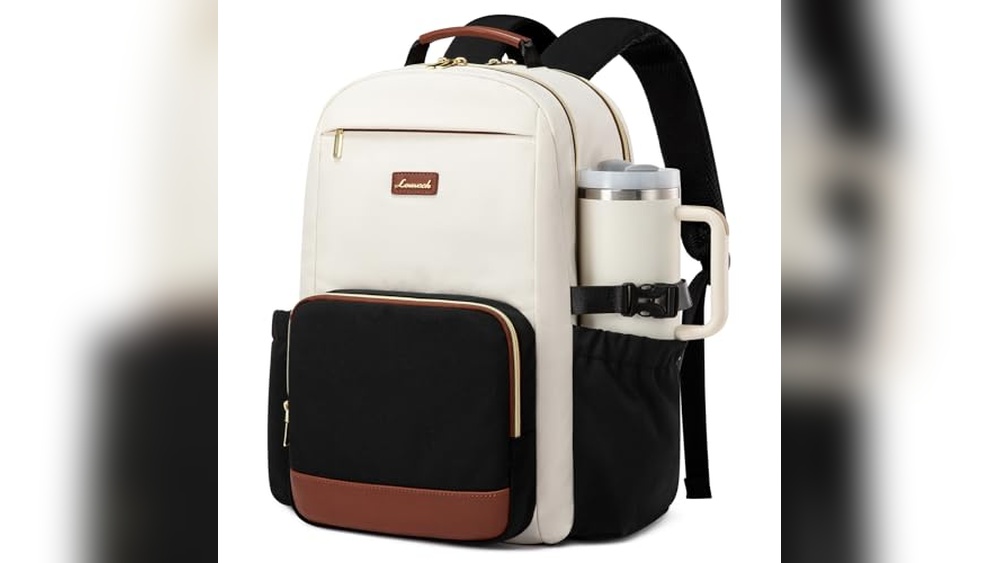
Choose a backpack with enough space and support. Look for padded straps and a waist belt. These reduce strain on your shoulders and back. Pick a pack size that fits your trip length. A 40-60 liter pack works well for most trips. Test the pack with some weight before buying.
Sleeping Bags And Pads
Pick a sleeping bag that fits the season. Choose lightweight bags for summer and warmer ones for cold nights. A good sleeping pad adds comfort and insulation. Inflatable or foam pads both work well. Sleep well to feel energized for hiking next day.
Tents And Shelters
Bring a tent that is light and easy to set up. Consider a tent with good ventilation to avoid moisture. A simple tarp can work for dry weather. Make sure your shelter is sturdy against wind and rain. Test setup at home before the trip.
Cooking Equipment
Carry a small stove and fuel for quick cooking. Use lightweight pots and utensils to save space. Pack only what you need for meals and drinks. A lighter cooking kit means less weight on your back. Don’t forget a lighter or matches in a waterproof case.
Clothing Choices
Wear layers to adjust to weather changes. Start with moisture-wicking base layers to stay dry. Add insulating layers for warmth and a waterproof shell for rain. Avoid cotton; it stays wet and chills the body. Pack extra socks and a hat for cold nights.
Navigation Tools
Carry a detailed map of your hiking area. Use a compass to find your direction. A GPS device or smartphone app can help but don’t rely only on them. Learn to read maps and use a compass before your trip. Stay on marked trails to avoid getting lost.
Packing Tips
Packing for backpack camping needs smart planning. The right packing helps you carry less weight and stay comfortable. It also keeps your gear easy to find and use. Follow these tips to pack well for your trip.
Weight Distribution
Place heavy items close to your back and center. This keeps balance and reduces strain. Lighter items go at the top and outside pockets. Spread the weight evenly for better comfort on the trail.
Packing Cubes And Organization
Use packing cubes to sort clothes and gear. They save space and keep things neat. Label cubes for fast access. Organized bags save time and avoid frustration during camping.
Essential Vs. Optional Items
Choose essentials first: shelter, food, water, and first aid. Skip items you can live without. Avoid packing things “just in case.” Less gear means less weight and easier hiking.
Food And Water Storage
Pack food in airtight containers to keep it fresh. Use lightweight, high-energy snacks. Carry water in strong bottles or hydration bladders. Plan water refills to avoid carrying too much weight.
Route Planning
Route planning is a key step in backpack camping. It helps you enjoy your trip and stay safe. A good plan saves time and avoids problems. Think about the distance, terrain, and your skill level. Keep your goals clear and realistic.
Choosing Trails
Select trails that match your fitness and experience. Shorter trails suit beginners. Look for marked paths to avoid getting lost. Check trail reviews and maps online. Pick trails with good scenery and water sources.
Weather Considerations
Check the weather forecast before starting. Rain can make trails slippery and dangerous. Hot weather needs extra water and sun protection. Cold weather requires warm clothing and gear. Plan for sudden weather changes to stay safe.
Permits And Regulations
Some parks need permits for camping or hiking. Apply for permits early to avoid delays. Follow local rules about campfires and waste disposal. Respect wildlife and plants to protect nature. Know the park’s opening and closing dates.
Safety Measures
Tell someone your route and expected return time. Carry a map, compass, or GPS for navigation. Pack a first-aid kit for emergencies. Bring enough food and water for the trip. Prepare for unexpected events like injuries or bad weather.
Setting Up Camp
Setting up camp is a key part of backpack camping. A good campsite makes your trip safer and more fun. It lets you rest well and enjoy nature. Follow these simple steps to set up your camp right.
Selecting Campsites
Choose a flat spot to set your tent. Avoid low areas that collect water when it rains. Look for natural shelter from wind, like trees or rocks. Check the ground for sharp stones or sticks. Stay at least 200 feet from water sources to protect nature.
Tent Setup Tricks
Clear the ground before pitching your tent. Lay a groundsheet to keep moisture away. Tighten the tent ropes to keep it stable in wind. Use all the tent stakes to secure it well. Open vents to reduce inside condensation.
Campfire Safety
Pick a spot away from trees and tents. Use existing fire rings if available. Keep the fire small and controlled. Have water or dirt ready to put out fire fast. Never leave the fire alone. Extinguish it fully before sleep or leaving.
Leave No Trace Principles
Pack out all trash and leftover food. Avoid damaging plants and trees. Use a stove for cooking to reduce fire impact. Stay on marked trails and campsites. Respect wildlife and keep noise low. Leave the area as you found it.
Survival Skills
Backpack camping means being ready for anything. Survival skills help keep you safe in the wild. Knowing how to handle emergencies is very important. These skills make your trip safer and more fun.
First Aid Basics
Carry a small first aid kit with you. Learn how to treat cuts, burns, and insect bites. Clean wounds quickly to stop infection. Know how to handle sprains by resting and using ice. Always check for allergies before giving medicine.
Emergency Signaling
Carry a whistle and a mirror to signal for help. Three short blasts on a whistle means danger. Use a flashlight to send light signals at night. Build a smoky fire to attract attention. Make bright marks on the ground using rocks or sticks.
Wildlife Awareness
Stay calm if you see wild animals. Do not run or make loud noises. Keep food sealed and away from your tent. Learn which animals live in the area. Know how to react to bears, snakes, and insects. Respect their space to avoid danger.
Water Purification
Never drink water from rivers or lakes without cleaning it. Use water filters or purification tablets. Boil water for at least one minute to kill germs. Carry a portable water filter for easy use. Always have clean water to avoid sickness.
Meal Planning
Meal planning is key for a successful backpack camping trip. It keeps you fueled and happy during your adventure. Good meals help maintain energy and morale on the trail.
Planning meals means choosing foods that are light, easy to cook, and store. It also involves preparing meals in advance to save time. Safe food storage prevents wildlife problems and spoilage.
Lightweight Food Options
Choose foods that weigh little but give much energy. Dried fruits, nuts, and trail mix are great snacks. Instant oatmeal and dehydrated meals save space and cook fast. Freeze-dried vegetables add nutrients without weight. Avoid heavy cans and fresh foods that spoil quickly.
Meal Prep Techniques
Prepare meals before the trip to save trail time. Portion dry ingredients into zip-lock bags for easy cooking. Pre-mix spices and sauces to avoid carrying extra containers. Soak beans or rice if you plan to cook them. Use resealable bags to keep food fresh and organized.
Cooking Tips On Trail
Use a lightweight stove for quick cooking. Boil water to kill germs and speed up cooking. Cook meals that need minimal water and time. Stir food well to avoid burning or sticking. Clean your cooking gear right after use to avoid smells and animals.
Storing Food Safely
Keep food in airtight containers or bags to stop smells. Use bear-proof containers if camping in bear areas. Hang food in a tree away from your tent. Store food separately from trash to avoid attracting animals. Check local rules for food storage to stay safe.
Physical Preparation
Physical preparation plays a key role in backpack camping. It helps your body handle long walks and carrying heavy loads. Preparing physically reduces injury risks and increases your enjoyment outdoors.
Start early. Give your body time to adjust. Focus on building strength, endurance, and mental toughness.
Fitness Training
Begin with basic exercises. Walking, jogging, and cycling improve leg strength. Add squats and lunges for muscle support. Strong legs help carry your backpack easily. Don’t forget upper body workouts. Push-ups and shoulder presses build arm strength. This helps with lifting and balance.
Endurance Building
Hiking long distances takes stamina. Start with short walks and increase distance weekly. Practice walking on uneven surfaces. This builds foot and ankle strength. Carry a light backpack to simulate real conditions. Gradually add weight to prepare muscles for the load.
Packing Practice
Packing your backpack properly reduces strain. Practice packing to balance weight evenly. Place heavy items close to your back. Use compression straps to secure gear. Try walking with your packed backpack. Adjust straps for comfort and fit. This practice helps avoid pain and fatigue.
Mental Readiness
Camping requires mental strength too. Prepare for challenges like bad weather or tough trails. Visualize success and stay positive. Set small goals during training hikes. This builds confidence and focus. Mental readiness keeps you calm and motivated.
Tips For Beginners
Starting backpack camping can feel overwhelming. Simple tips make the journey easier and more fun. Focus on basics first. Prepare well to enjoy your outdoor adventure safely.
Starting Small
Choose easy trails close to home. Short trips help you learn packing and hiking skills. Practice setting up your tent before going far. Carry only essential gear to keep your backpack light.
Group Vs Solo Trips
Camping with friends offers safety and shared tasks. Group trips provide fun and support in emergencies. Solo trips build confidence and self-reliance. Pick what suits your comfort and experience level.
Common Mistakes To Avoid
Overpacking adds weight and slows you down. Forgetting water or food can cause serious problems. Not checking weather forecasts risks bad surprises. Skip these errors to keep your trip safe and pleasant.
Resources And Communities
Use online forums to ask questions and find tips. Join local hiking clubs to meet experienced campers. Read guidebooks tailored for beginners. These resources help you learn quickly and connect with others.
Frequently Asked Questions
What Essential Gear Do I Need For Backpack Camping?
You need a lightweight tent, sleeping bag, backpack, cooking gear, water filter, and weather-appropriate clothing. Packing light is key to easy mobility.
How Do I Plan A Safe Backpack Camping Route?
Research trails, check weather, inform someone of plans, carry a map and GPS, and avoid risky areas. Safety starts with preparation.
How Much Food Should I Pack For Backpack Camping?
Pack high-calorie, lightweight, and non-perishable food. Plan meals per day and add extra snacks for energy and emergencies.
What Are The Best Tips For Staying Warm While Backpack Camping?
Layer clothing, use an insulated sleeping pad, wear a warm hat, and choose a suitable sleeping bag for cold nights. Staying dry is crucial.
Conclusion
Backpack camping opens doors to nature’s beauty and quiet moments. Pack light, plan well, and choose safe spots to camp. Carry only what you truly need. Respect the environment and leave no trace behind. Enjoy the fresh air and peaceful nights under stars.
Each trip teaches new lessons and builds confidence. Start small, stay prepared, and have fun exploring. Adventure is waiting just beyond the trail.