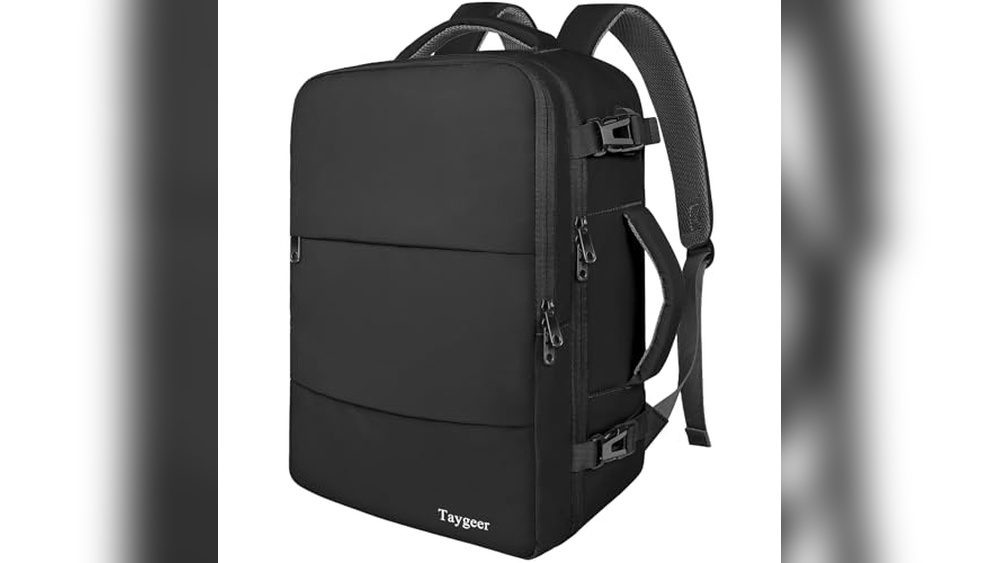
If you love hiking, camping, or outdoor adventures, you know how important it is to carry your gear safely and comfortably. One essential tool you might want to bring along is a wood axe.
But how do you attach it to your backpack without risking damage or injury? You’re about to discover simple, effective ways to secure your wood axe so it stays put during your trip. Keep reading to learn the best tips and tricks that will make your outdoor experience easier and safer.
Choosing The Right Axe
Choosing the right axe is key for a safe and easy trip. A good axe fits your needs and your backpack well. It should be strong, light, and easy to carry. The right axe makes your adventure better and helps you stay safe.
Types Of Wood Axes
There are many types of wood axes. A felling axe cuts down trees. A hatchet is small and good for light work. A splitting axe breaks wood into smaller pieces. Choose one type based on your task. A hatchet works well for small jobs. A splitting axe is best for campfires. Pick an axe that matches your work.
Size And Weight Considerations
Size and weight matter a lot. A heavy axe is hard to carry all day. A small axe is easy to pack but less powerful. Choose an axe you can hold and swing easily. Check your backpack space before picking an axe. Balance between size and weight is key. Carrying the right size keeps you comfortable and safe.
Preparing Your Backpack
Preparing your backpack is key to safely attaching a wood axe. It helps keep the axe secure and protects your gear. Start by checking your backpack for strong spots. These spots will hold the axe firmly during travel. Proper preparation also avoids damage to the backpack and axe.
Selecting Attachment Points
Choose sturdy loops or straps on your backpack. These points should be near the bottom or sides. Avoid thin fabric areas that can tear easily. Look for reinforced parts made of heavy material or webbing. These will hold the axe weight better. Test each point by pulling gently to check strength.
Ensuring Durability
Use tough straps or cords to secure the axe. Nylon or leather straps work well for durability. Double-check knots and buckles before moving. Tighten all connections to prevent slipping. Protect the axe blade with a cover to avoid damage. This also keeps your backpack fabric safe from cuts.
Using Straps And Loops
Using straps and loops is a smart way to attach a wood axe to a backpack. Straps hold the axe tightly, so it does not move while hiking. Loops add extra support and keep the axe stable. This method keeps your hands free and your axe safe.
Types Of Straps
Several straps work well for carrying an axe. Nylon straps are strong and resist water. Leather straps are durable and provide a classic look. Velcro straps are easy to adjust and quick to use. Choose straps that fit your backpack and axe size.
Securing The Axe Head And Handle
Start by placing the axe head in a loop or pocket on your backpack. Use a strap to wrap around the head tightly. Next, secure the handle with another strap to stop it from swinging. Make sure both straps are snug but not too tight to avoid damage. Check the straps before walking to keep your axe secure.
Diy Attachment Solutions
DIY attachment solutions help secure a wood axe to a backpack safely. They save money and allow customization. These methods use simple tools and materials. They make carrying an axe easier during outdoor trips.
Creating Custom Loops
Custom loops hold the axe firmly on your backpack. Use strong fabric or leather strips. Cut the strips to fit the axe handle size. Sew or rivet the ends to the backpack straps. Position loops where the axe sits comfortably.
Loops prevent the axe from moving or falling. They keep the blade away from your body. You can add padding inside the loops for extra protection. This method is durable and quick to make.
Using Paracord Techniques
Paracord is a versatile, strong rope ideal for axe attachment. Wrap paracord around the axe handle and backpack straps. Use knots like the clove hitch or bowline. These knots hold tight but are easy to untie.
Paracord can secure the axe at multiple points. It adds flexibility and adjusts easily to different axe sizes. It also acts as a backup rope for emergencies. This method is lightweight and easy to carry.
Safety Tips For Carrying An Axe
Carrying a wood axe on a backpack requires care and attention. Safety should be the top priority. Proper handling prevents injuries and protects the tool. Follow these safety tips to carry your axe securely.
Protecting The Blade
Cover the axe blade with a sheath or protective cover. This stops accidental cuts and damage. Use a thick material like leather or plastic for the cover. Make sure the blade is dry to avoid rust. Check the cover often for wear and replace it if needed.
Balancing Weight On Your Backpack
Attach the axe so it stays steady and does not swing. Place the axe close to the backpack frame for balance. Avoid putting too much weight on one side. Distribute weight evenly to keep your posture right. A balanced load reduces strain and helps you walk safely.
Maintenance While On The Trail
Keeping your wood axe secure and in good shape on the trail is important. Maintenance helps avoid accidents and keeps your tool ready for use. Simple checks and care can save time and trouble during your hike.
Checking Attachments Regularly
Look at the straps and fasteners holding your axe often. Make sure they are tight and not worn out. Loose attachments can cause the axe to fall or shift. Adjust or replace parts as needed to keep the axe stable.
Check the axe handle too. Cracks or splits can grow worse on the trail. A sturdy handle keeps your axe safe to use and carry.
Preventing Rust And Damage
Wipe the axe head clean after use. Dirt and moisture cause rust and weaken the metal. Use a dry cloth to remove any water or mud.
Apply a thin layer of oil to the metal parts. This stops rust and keeps the axe sharp. Use light oils like mineral or machine oil.
Cover the axe head with a sheath or cloth when not in use. This protects it from scratches and weather damage.
Frequently Asked Questions
How Do I Safely Attach A Wood Axe To A Backpack?
Use a sheath to cover the blade. Secure the axe with straps or bungee cords. Attach it to a sturdy part of the backpack to prevent movement. This keeps you safe and protects your gear.
What Materials Are Best For Backpack Axe Attachments?
Durable nylon straps, bungee cords, and leather loops work best. They hold the axe firmly and resist wear. Avoid weak or stretchy materials that may loosen during travel.
Can I Carry A Wood Axe On A Hiking Backpack?
Yes, but always sheath the blade first. Attach the axe securely to avoid accidents. Position it where it won’t interfere with your movement or balance.
How To Prevent The Axe From Damaging The Backpack?
Cover the axe blade with a protective sheath. Use padding around the axe handle if needed. Secure it tightly to avoid rubbing and puncturing the fabric.
Conclusion
Attaching a wood axe to your backpack keeps it safe and easy to carry. Use straps or loops to hold the axe firmly in place. Make sure the axe blade faces away from your body. Check the attachment often to avoid any slips or falls.
Carrying your axe this way frees your hands for other tasks. It also helps keep your gear organized and ready to use. With these simple steps, you can travel with your axe safely and comfortably. Ready for your next outdoor adventure?
Your axe will be right by your side.