Imagine you’re miles into your backpacking trip when the sky suddenly opens up and rain starts pouring down. Your gear gets soaked, your clothes cling uncomfortably, and every step feels heavier.
Sounds familiar? Backpacking in the rain can be tough, but it doesn’t have to ruin your adventure. What if you could stay dry, comfortable, and even enjoy the rain? In this guide, you’ll discover simple, practical tips to keep your backpacking experience smooth and safe, no matter the weather.
Ready to turn rainy trails into your new favorite challenge? Let’s dive in.
Gear For Wet Weather
Backpacking in rain demands the right gear to stay dry and comfortable. Wet weather gear protects your body and belongings. It helps keep you warm and prevents sickness. Choosing the right equipment makes hiking in rain easier and safer.
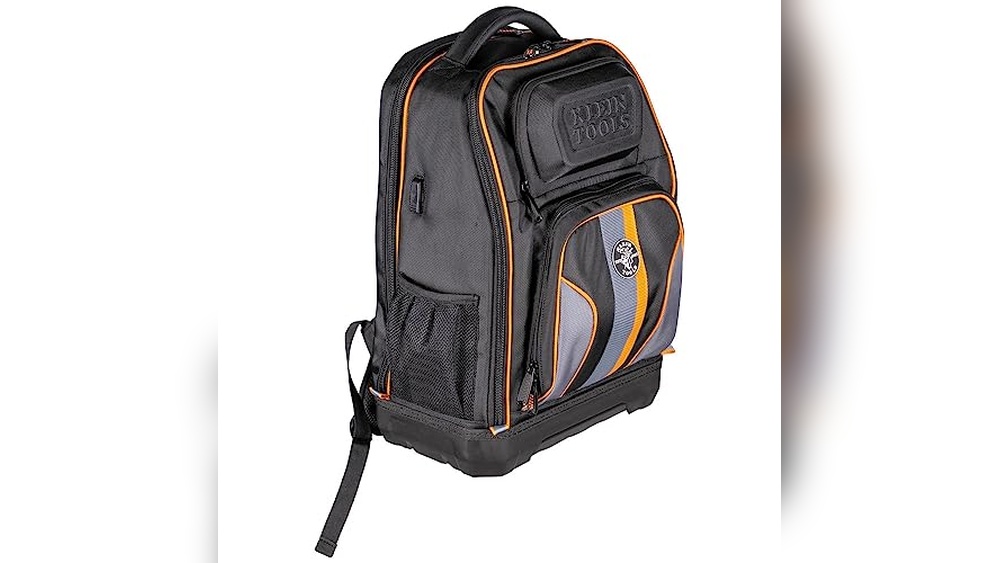
Waterproof Backpacks
Waterproof backpacks stop water from soaking your gear. Many have built-in rain covers or use special fabrics. Look for backpacks with sealed zippers and strong materials. These features keep your clothes and electronics dry. A dry backpack means less stress during your hike.
Rain Jackets And Pants
Rain jackets and pants shield your body from rain and wind. Pick lightweight, breathable fabrics that dry quickly. Waterproof layers block water but let sweat escape. This keeps you dry inside and out. Make sure your jacket has a hood and adjustable cuffs for better protection.
Protective Footwear
Waterproof boots or shoes protect your feet from wet trails. Choose footwear with good grip to avoid slipping. Breathable materials prevent your feet from getting too sweaty. Dry feet help avoid blisters and discomfort. Always test your boots before a long hike.
Waterproof Bags And Covers
Use waterproof bags to organize small items inside your pack. Dry sacks keep clothes and electronics safe from water. Rain covers fit over your backpack for extra protection. These covers are lightweight and easy to carry. They add a reliable shield against heavy rain.
Packing Smart
Packing smart is key for backpacking in rain. It keeps your gear dry and your trip comfortable. Planning what to pack helps avoid wet clothes and damaged items. Organizing your backpack well saves time and stress during the hike.
Choosing Quick-dry Clothing
Pick clothes made from quick-dry fabrics like polyester or nylon. These materials dry fast and do not hold water. Avoid cotton because it stays wet and feels cold. Bring layers to adjust to changing weather. Always pack a waterproof jacket for extra protection.
Packing Electronics Safely
Protect electronics with water-resistant cases or ziplock bags. Keep them inside the middle of your backpack. Use padded sleeves to avoid damage from bumps. Turn off devices when not in use to save battery. Carry power banks in waterproof containers as well.
Using Dry Bags Effectively
Dry bags are essential for keeping gear dry. Store clothes, food, and electronics in separate dry bags. Choose bags with strong seals and sturdy material. Compress bags to save space inside your backpack. Always double-check the seal before starting your hike.
Setting Up Camp In The Rain
Setting up camp in the rain needs careful planning. Wet weather can make camping hard and uncomfortable. Choosing the right spot and setting up your tent properly keeps you dry and safe. Managing moisture inside the tent is also important for a good night’s sleep.
Selecting Shelter Locations
Pick a high, flat area to avoid water pooling. Stay away from low spots where rain collects. Look for natural windbreaks like trees or bushes. Avoid camping under dead branches that could fall. Check the ground for soft or muddy patches. A solid, dry spot makes your camp safer and drier.
Pitching A Waterproof Tent
Use a tent with a strong rainfly for protection. Make sure the rainfly covers the entire tent. Tighten all tent guy lines to keep it stable. Secure the tent stakes firmly in the ground. Set up the tent door away from the wind. A well-pitched tent stops water from seeping inside.
Managing Condensation
Open tent vents to allow air circulation. Avoid cooking or drying wet clothes inside the tent. Use a groundsheet to prevent moisture from below. Wipe down any wet surfaces inside the tent. Keeping the tent dry reduces fogging and dampness. Proper airflow helps you stay comfortable and dry.
Staying Comfortable On The Trail
Backpacking in the rain can be tough. Staying comfortable on the trail helps you enjoy the hike more. It keeps you safe from cold and wet conditions. Simple steps can make a big difference. Focus on keeping warm, dry, and positive.
Layering For Warmth
Wear layers to control your body temperature. Start with a base layer that dries fast. Add an insulating layer to keep heat in. Top it with a waterproof shell to block rain and wind. Avoid cotton clothes; they hold water and chill you. Take off or add layers as you move.
Keeping Feet Dry
Wet feet cause blisters and discomfort. Use waterproof boots or rain covers for shoes. Change socks often to keep feet dry. Carry extra pairs in a plastic bag. Walk carefully through puddles and muddy spots. Dry your feet during breaks to prevent cold and sores.
Maintaining Energy And Morale
Rain can lower your mood and energy. Eat small snacks often for steady fuel. Drink plenty of water to stay hydrated. Take short rests to recover strength. Keep a positive mind by focusing on nature’s beauty. Talk with hiking partners to share the journey.
Safety Tips In Wet Conditions
Backpacking in the rain requires extra care to stay safe. Wet conditions create challenges that can lead to injury or illness. Knowing the right safety tips helps you enjoy your trip without unnecessary risks. Focus on staying dry, warm, and steady on your path.
Navigating Slippery Terrain
Rain makes trails slick and muddy. Walk slowly and watch every step. Use trekking poles for balance. Avoid stepping on wet rocks or loose leaves. Choose stable ground whenever possible. Proper footwear with good grip is essential. Stay alert to sudden changes in trail conditions.
Avoiding Hypothermia
Wet clothes lower your body temperature fast. Change into dry layers quickly. Carry waterproof jackets and pants. Keep your head and hands covered. Take breaks in sheltered spots to warm up. Drink warm fluids to maintain heat. Know early signs of hypothermia: shivering, confusion, and tiredness.
Handling Emergencies
Rain can hide dangers like fallen branches or flooded paths. Carry a whistle and a first aid kit. Tell someone your route and expected return time. Use a map and compass to avoid getting lost. If injured, stay calm and protect yourself from rain. Signal for help if needed and stay in a safe place.
Drying Gear After The Trip
After a rainy backpacking trip, drying your gear is very important. Wet gear can develop mold and bad smells. Taking time to dry everything helps keep your equipment in good shape. This process protects your gear for the next adventure. Proper drying also saves money by extending the life of your items.
Cleaning And Maintenance
Start by cleaning your gear thoroughly. Remove dirt and mud with a soft brush or cloth. Use mild soap and water for stubborn stains. Avoid strong detergents that can damage materials. Rinse gear well to remove all soap. Let items air dry before storage. Check zippers and seams for damage. Repair small tears or holes quickly. Proper cleaning stops mold and keeps fabric strong.
Storage Tips
Store your gear in a dry, cool place. Avoid direct sunlight to prevent fading. Use breathable bags or containers for storage. Do not pack gear while still damp. Keep items loose to allow air circulation. Hang sleeping bags and jackets if possible. Avoid plastic bags that trap moisture. Store equipment away from pests and rodents. Proper storage keeps gear fresh and ready.
Frequently Asked Questions
What Gear Is Essential For Backpacking In Rain?
Waterproof clothing, rain covers for your backpack, and quick-dry fabrics are essential. A sturdy rain jacket and waterproof boots help keep you dry and comfortable during wet conditions.
How Do I Keep My Backpack Dry In Rain?
Use a waterproof backpack cover or pack your items in dry bags. Ensure zippers are sealed and avoid placing your pack directly on wet surfaces.
Can I Camp Safely During Heavy Rain?
Yes, choose high ground away from flood zones. Use a waterproof tent and set up a rain fly to prevent water entry.
What Are Best Tips For Hiking Trails In Rain?
Stick to marked paths to avoid slippery or unstable terrain. Wear non-slip boots and use trekking poles for stability.
Conclusion
Backpacking in rain can be tough but also rewarding. Stay dry by using good gear and packing smart. Keep your clothes and sleeping bag protected. Walk carefully to avoid slipping on wet trails. Enjoy nature’s beauty even when skies are gray.
Rain brings fresh air and fewer crowds. Prepare well, and you will feel confident outside. Rain does not have to stop your adventure. Embrace the challenge and keep moving forward.