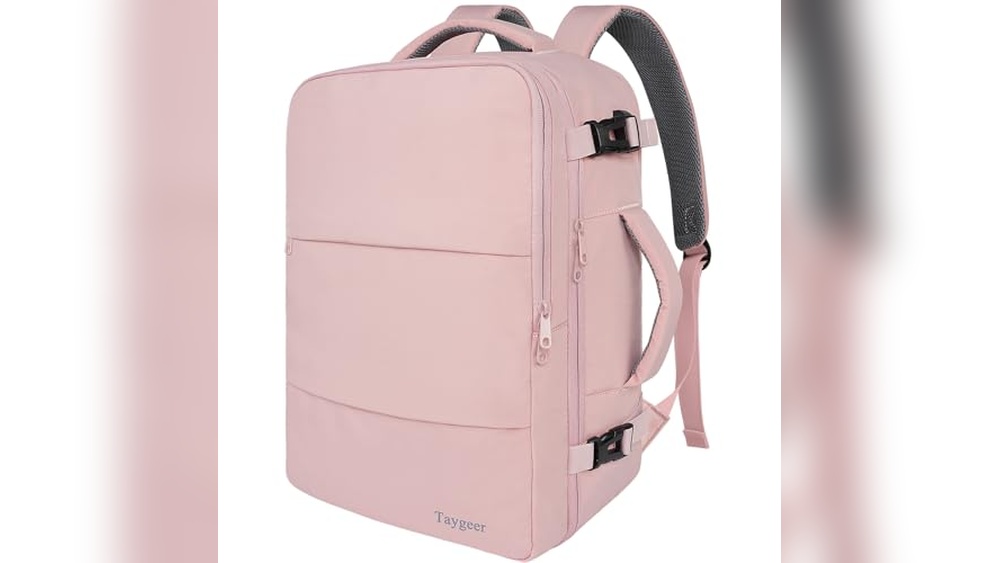
When you’re out exploring the wild or trekking through new places, running out of battery can turn your adventure into a hassle. You need a power bank that keeps your devices charged without weighing you down.
But with so many options out there, how do you pick the right one for your backpack? You’ll discover simple tips to choose a power bank that fits your travel style, keeps your gear powered up, and lets you stay connected wherever you go.
Keep reading to find the perfect travel companion for your next trip.
Power Bank Basics
Power banks are essential tools for backpackers. They keep devices charged on the go. Understanding the basics helps in choosing the right one. This section explains what power banks are and their key features.
What Is A Power Bank?
A power bank is a portable battery. It stores electrical energy to charge devices. You can charge phones, cameras, and other gadgets. It works without needing a wall outlet. Perfect for travel and outdoor use.
Key Features To Know
Capacity shows how much charge it holds. Measured in milliamp-hours (mAh), higher means more power. Output ports tell how many devices you can charge at once. Look for USB or USB-C ports for fast charging. Size and weight affect how easy it is to carry. Safety features protect devices from overcharging or short circuits.
Capacity Matters
Choosing the right power bank means understanding its capacity. Capacity tells how much charge a power bank can hold. It affects how many times you can recharge your devices. For backpackers, capacity is crucial. It helps keep phones, cameras, and other gadgets powered during long trips.
Too small a capacity means running out of power fast. Too large makes the power bank heavy and bulky. Finding the right balance saves space and keeps devices ready to use.
Mah Explained
mAh stands for milliampere-hour. It measures battery capacity. A higher mAh means more power stored. For example, a 10,000 mAh power bank can store more energy than a 5,000 mAh one.
This number helps compare power banks. It shows how many times you can charge your device. But it does not tell the full story. Battery efficiency and device needs also matter.
Choosing Capacity For Your Devices
Start by checking your device’s battery size. Most smartphones have 3,000 to 5,000 mAh batteries. A power bank with 10,000 mAh can charge these phones two or three times.
Cameras and tablets need more power. Choose a power bank with 15,000 mAh or higher for these. Think about how many devices you carry. Add their battery sizes to pick capacity.
Consider trip length too. Longer trips need bigger capacity. A large power bank can last days without charging. But it adds weight. Balance capacity with how much you want to carry.
Portability And Weight
Portability and weight are key factors for backpackers choosing a power bank. Carrying heavy or bulky gear can tire you quickly. A compact and light power bank saves space and eases your load. It allows you to move freely without feeling weighed down.
Size Considerations
Power banks come in many sizes. Small ones fit easily in pockets or small bags. Large power banks hold more charge but take up more room. Think about your backpack space before picking a size. A slim power bank can slide into side pockets. This keeps your main pack lighter and organized.
Balancing Weight And Power
A bigger battery lasts longer but adds weight. Small power banks are light but may need frequent charging. Find a balance that suits your trip length and device needs. Prioritize a power bank that keeps your devices charged without heavy weight. Choose wisely to keep your hiking comfortable and powered up.
Charging Speed
Charging speed is a key factor when choosing a power bank for backpackers. It affects how fast your devices get power. Faster charging means less wait and more time enjoying your trip. A power bank with slow output can leave you frustrated, especially during long days outdoors. Understanding charging speed helps pick the right device for your needs.
Output Power And Ports
Output power is measured in watts (W) or volts (V) and amps (A). Higher output means faster charging. Many power banks have multiple ports. This allows charging several devices at once. Check the output of each port before buying. Some ports offer higher power for tablets or laptops. Others are designed for smartphones. Port variety is important for backpackers with many gadgets.
Fast Charging Technologies
Fast charging technologies boost charging speed safely. Popular types include Quick Charge, Power Delivery, and VOOC. These technologies adjust power flow to match your device. They prevent overheating and battery damage. A power bank with fast charging saves time on the go. Look for compatibility with your device’s fast charging standard. This ensures the best performance outdoors.
Durability For Outdoor Use
Durability plays a key role in choosing a power bank for backpackers. Outdoor trips expose devices to tough conditions. A power bank must withstand rain, dust, and drops. It should keep working no matter the weather or terrain. Durability ensures your device stays charged and ready.
Water And Dust Resistance
Water and dust can damage power banks fast. A good outdoor power bank has a strong protective shell. Look for models with an IP rating. IP67 or IP68 means strong protection against water and dust. This rating shows the device can survive rain or accidental drops in mud. It helps keep your power bank safe and working.
Shockproof And Rugged Designs
Backpacking means rough handling and sudden impacts. Power banks with shockproof features absorb shocks and drops. Rugged designs use tough materials like rubber or hard plastic. These protect internal parts from damage. A rugged power bank lasts longer on trails. It stays safe even if it falls or hits rocks.
Battery Types
Choosing the right battery type is key for backpackers. Power banks mainly use two types of batteries. Each type has unique features that affect weight, size, and durability. Understanding these helps pick a power bank that fits your travel needs.
Lithium-ion Vs Lithium-polymer
Lithium-Ion (Li-Ion) batteries are common in power banks. They store a lot of energy and last many charge cycles. Li-Ion batteries are usually heavier but offer good capacity for their size.
Lithium-Polymer (Li-Po) batteries are lighter and thinner. They can be shaped in different ways. Li-Po batteries tend to be safer and more flexible in design. They hold charge well but may cost more.
Pros And Cons For Backpackers
Li-Ion batteries give more power for the weight. They work well for long trips needing high capacity. The downside is they are bulkier and less flexible in shape.
Li-Po batteries are great for light packing. Their thin design fits well in small spaces. They are safer if the power bank gets dropped. The trade-off is usually a higher price and slightly less capacity.
Extra Features
Extra features in power banks can make your backpacking trip easier and safer. These small additions help you stay prepared without carrying extra gear. Choosing a power bank with useful extras can save space and weight in your backpack.
Built-in Cables And Flashlights
Power banks with built-in cables reduce the need to carry extra wires. This feature keeps your charging tools organized and ready. Some models also include flashlights, useful for camping or emergencies. A built-in flashlight can guide you in the dark without extra equipment.
Solar Charging Options
Solar charging lets you recharge your power bank using sunlight. This feature is ideal for long trips without access to electricity. Solar panels on the power bank provide a backup power source outdoors. This option helps keep your devices charged even in remote places.
Budget And Brands
Choosing the right power bank involves balancing budget and brand trust. Backpackers need reliable power sources that fit their spending limits. Understanding the difference between affordable and premium models helps in making smart choices. Knowing which brands have a good reputation ensures safety and quality on the road.
Affordable Vs Premium Models
Affordable power banks usually cost less but offer fewer features. They may have smaller capacity or slower charging speeds. These models suit travelers who carry fewer devices or need backup power only occasionally.
Premium models provide higher capacity and faster charging. They often include extra ports and better build quality. These power banks suit heavy device users and long trips without frequent charging stops.
Choosing between affordable and premium depends on travel style and device needs. Budget travelers can find good deals without sacrificing basic functions. Those needing strong, reliable power might invest a bit more.
Trusted Power Bank Brands
Some brands stand out for quality and safety. They use tested batteries and smart technology to protect devices. Buying from trusted brands reduces the risk of damage or failure during trips.
Popular brands like Anker, RAVPower, and Aukey have earned positive reviews worldwide. They offer various models from budget to premium, fitting different budgets and needs. These brands also provide warranties and good customer support.
Choosing a well-known brand helps backpackers avoid counterfeit or low-quality products. It adds peace of mind when relying on power banks in remote places.
Frequently Asked Questions
What Capacity Power Bank Is Best For Backpackers?
A 10,000mAh to 20,000mAh power bank is ideal for backpackers. It balances weight and charging capacity. This size can charge phones multiple times and support other devices without being too heavy.
How Important Is The Weight Of A Power Bank?
Weight is crucial for backpackers since they carry all gear. Lightweight power banks reduce load and improve mobility. Choose a compact, high-capacity model to avoid bulk while ensuring enough power.
Should I Consider Charging Speed When Choosing A Power Bank?
Yes, fast charging saves time on the trail. Look for power banks with Quick Charge or Power Delivery support. They recharge devices quicker, which is handy during short breaks or limited power access.
Can I Use Solar Power Banks While Backpacking?
Solar power banks are useful for extended trips without outlets. They recharge via sunlight but are slower than regular chargers. Consider them as a backup, especially in sunny, remote areas.
Conclusion
Choosing the right power bank keeps your devices charged on the trail. Consider size, weight, and battery capacity carefully. Pick one with enough ports for all your gadgets. Durability matters for rough outdoor use. A reliable power bank means less worry about running out of power.
Stay connected, capture memories, and enjoy your adventure fully. A smart choice makes backpacking easier and more fun. Keep these tips in mind for your next trip. Safe travels and happy charging!