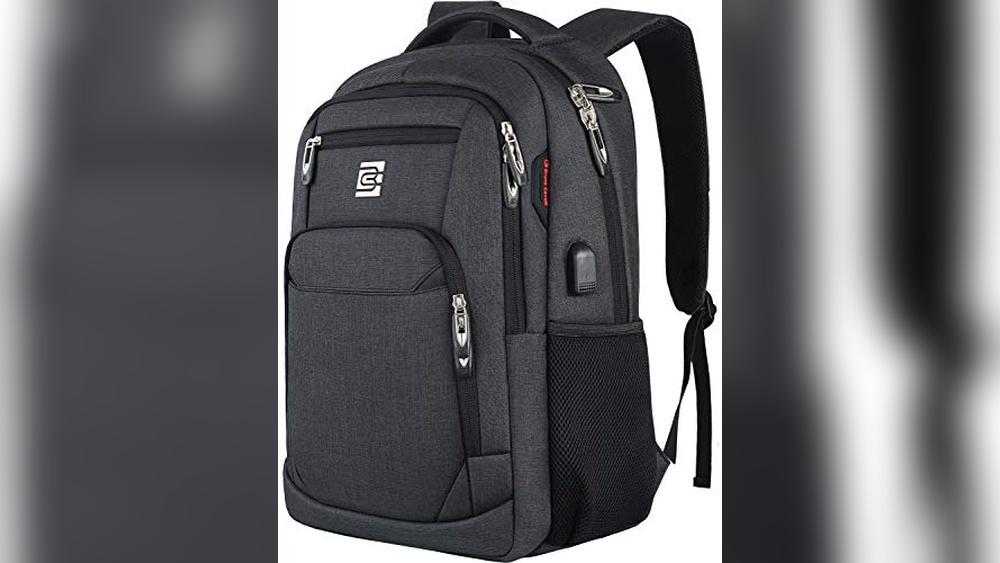
When you’re out on a hike or traveling, your backpack holds all your essentials. But what happens when the rain starts pouring?
Without the right rain cover, your gear could get soaked, leaving you uncomfortable and unprepared. Choosing the perfect backpack rain cover isn’t just about picking any waterproof sheet—it’s about protecting your belongings and making your outdoor experience worry-free. In this guide, you’ll discover exactly what to look for, so you can keep your gear dry and stay focused on what matters most.
Ready to find the best rain cover for your backpack? Let’s dive in.
Why Rain Covers Matter
Backpack rain covers protect your bag from rain, dust, and dirt. They keep your stuff dry and clean during outdoor trips. Choosing the right rain cover helps you avoid damage and saves money. Simple, lightweight, and easy-to-use covers make a big difference on your adventures.
Protecting Your Gear
Rain covers shield your belongings from water and mud. Wet gear can cause problems like mold and bad smells. Electronics, clothes, and food stay safe and dry with a cover. It stops water from soaking your backpack and gear. This protection keeps your items fresh and usable.
Extending Backpack Lifespan
Rain covers guard your backpack’s material from water damage. Constant wetness can wear out fabric and zippers. Covers prevent scratches and tears from rough weather. Keeping your backpack dry means it lasts longer. This saves you money on repairs or new bags.
Types Of Rain Covers
Backpack rain covers protect your gear from rain and moisture. Choosing the right type depends on your needs and backpack style. Understanding different types helps you pick the best cover for your adventure.
Standard Covers
Standard covers are simple and affordable. They come in universal sizes to fit most backpacks. Made from waterproof material, they shield your bag from rain and dirt. They often have elastic edges for a snug fit. Easy to carry and store, they suit casual hikers and travelers.
Integrated Covers
Integrated covers attach directly to your backpack. They stay with your bag, so you never forget them. Usually stored in a small pocket at the bottom or back. Quick to deploy when rain starts. Ideal for regular hikers who want hassle-free protection.
Custom Fit Covers
Custom fit covers match your backpack’s exact size and shape. They offer better protection and a tighter fit. Made for specific backpack models or brands. Usually more durable and stylish. Perfect for serious hikers and those who want maximum protection.
Material And Waterproof Ratings
Choosing the right size for your backpack rain cover is key. A good fit keeps your gear dry and your pack protected. Too small, and the cover won’t shield your bag fully. Too large, and it might flap or slip off in the wind. Understanding how to size your rain cover helps you pick the best one for your backpack.
Measuring Your Backpack
Start by measuring your backpack’s height, width, and depth. Use a tape measure or ruler for accuracy. Measure from the top to the bottom for height. Measure the widest part for width. Then measure the thickest part for depth. Add these three numbers to get the total size your rain cover must fit. This helps find a cover that wraps your pack well.
Adjustable Vs Fixed Sizes
Some rain covers come in fixed sizes like small, medium, or large. These covers fit specific backpack sizes. They work well if your pack size matches the cover size exactly. Other rain covers have adjustable straps or elastic edges. These covers can stretch or tighten to fit different pack sizes. Adjustable covers offer more flexibility and can work with multiple backpacks.
Sizing Your Rain Cover
Choosing the right backpack rain cover depends on the activity you plan to do. Each activity has different needs for protection, size, and durability. Matching your rain cover to your activity keeps your gear safe and dry.
Hiking And Trekking
Hiking and trekking need rain covers that are strong and lightweight. Look for covers with waterproof material and good breathability. A cover with a secure fit keeps rain out during windy weather. Bright colors help you stay visible on trails. Choose covers that fold small for easy packing.
Commuting And Urban Use
For city travel, rain covers should be simple and quick to use. A sleek design fits well on smaller backpacks. Waterproof and splash-proof fabrics protect your belongings from sudden rain. Reflective strips add safety during low light. Pick covers that are easy to store in your bag.
Travel And Adventure
Travel and adventure call for rain covers that can handle rough conditions. Durable materials resist tears and heavy rain. A cover with extra space fits over large or loaded backpacks. Water resistance and dust protection are important. Choose covers with adjustable straps for a snug fit.
Features To Look For
Taking care of your backpack rain cover keeps it effective and lasting longer. Proper maintenance stops damage and keeps the material strong. Clean and store it right to protect your gear on every trip.
Cleaning Your Rain Cover
Remove dirt and mud gently with a soft brush or cloth. Use cold water and mild soap to wash stains carefully. Avoid harsh chemicals or bleach that can ruin the fabric. Rinse well to remove all soap. Let it air dry fully before storing.
Storing For Longevity
Store your rain cover in a cool, dry place away from sunlight. Avoid folding it tightly to prevent creases and cracks. Use a breathable bag or container to keep moisture out. Check it regularly for damage or mold before trips.
Frequently Asked Questions
What Size Rain Cover Fits My Backpack?
Choose a rain cover that matches your backpack’s capacity in liters. Measure your pack’s height, width, and depth. Select a cover slightly larger for full protection and easy fit. Avoid covers that are too small or overly large to ensure effective water resistance.
What Materials Are Best For Backpack Rain Covers?
Look for rain covers made of waterproof materials like ripstop nylon or polyester. These fabrics are lightweight, durable, and repel water effectively. A good rain cover should have a waterproof coating or laminate for added protection against heavy rain.
How Do I Attach A Rain Cover To My Backpack?
Most rain covers come with elastic edges or adjustable straps. Stretch the elastic over your backpack’s top and sides for a snug fit. Secure any straps around attachment points on your backpack to prevent slipping during movement.
Can I Use A Rain Cover For All Weather Conditions?
Rain covers are designed primarily for wet weather. They protect your backpack from rain, snow, and mud. However, they may not offer ventilation in hot weather. Choose a breathable cover if you need protection in diverse climates.
Conclusion
Choosing the right backpack rain cover keeps your gear dry and safe. Focus on size, material, and fit for the best protection. A good cover is lightweight and easy to carry. Think about the weather you will face most often.
Durable covers last longer and handle tough conditions better. Simple designs often work best and avoid unnecessary hassle. Protect your backpack, and enjoy your outdoor adventures without worry. The right rain cover makes a big difference in comfort and gear safety.