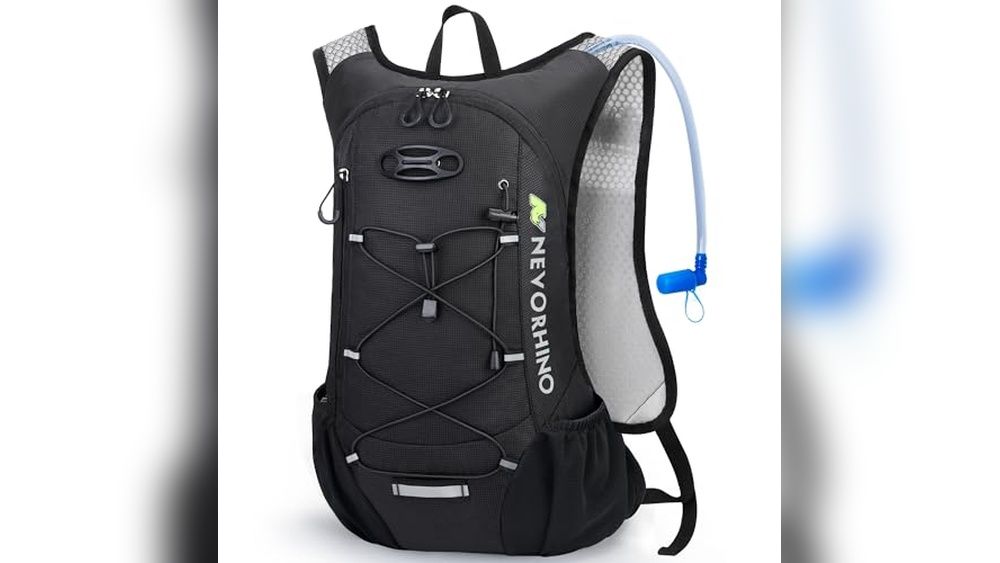
If you wear body armor with a backpack, you know how tricky it can be to reach your gear quickly. Imagine needing to grab something fast but struggling with awkward straps and layers.
What if you could access your backpack smoothly without taking off your armor or fumbling around? This guide will show you simple, practical ways to make accessing your backpack easy and efficient. Keep reading to discover tips that can save you time and hassle when it matters most.
Choosing Compatible Body Armor
Choosing compatible body armor is important for comfort and safety. The right armor fits well with your backpack and allows easy movement. It protects you while carrying your gear. Knowing the types, materials, and size helps you pick the best option.
Types Of Body Armor
Body armor comes in soft and hard types. Soft armor uses fabric layers to stop small bullets. Hard armor uses plates to stop bigger threats. Some armors combine both for better protection. Pick the type that matches your needs and backpack style.
Materials And Flexibility
Materials affect weight and comfort. Kevlar is light and flexible, good for soft armor. Steel plates are strong but heavy and less flexible. Ceramic plates offer balance between weight and protection. Choose materials that let you move freely with your backpack.
Size And Fit Considerations
Size matters for comfort and coverage. Armor should cover vital areas without restricting movement. Measure your chest and torso before buying. Armor that is too big or too small can cause discomfort. A good fit allows easy access to your backpack pockets and straps.
Selecting The Right Backpack
Selecting the right backpack is key for wearing body armor comfortably. The backpack must fit well over the armor without causing pressure or discomfort. Choosing the right design helps carry your gear safely and keeps your movement free. Focus on features that match your armor and daily needs.
Backpack Designs For Armor Compatibility
Some backpacks have special compartments for body armor plates. These designs keep the armor secure and prevent shifting. Look for backpacks with adjustable straps to fit different armor sizes. Designs that allow quick access to armor enhance safety in emergencies.
Storage Capacity And Compartments
Check the backpack’s size and number of compartments. Separate pockets help organize gear and keep items easy to find. A good backpack balances storage space with compactness. Avoid bulky backpacks that add extra weight or restrict movement.
Durability And Comfort Features
Strong materials protect your belongings and last longer. Look for water-resistant fabrics to protect gear from rain. Padded shoulder straps and back panels improve comfort during long wear. Ventilation helps reduce sweat and heat buildup. Comfort features reduce strain on your body.
Techniques To Wear Both Comfortably
Wearing a backpack with body armor can feel tricky. Both add weight and change how you move. Using the right techniques helps you wear both comfortably. It also keeps you safe and ready. Small changes make a big difference in comfort and balance.
Adjusting Straps For Stability
Start by tightening the backpack straps. Keep the backpack close to your back. Loose straps cause bouncing and strain. Adjust the body armor straps to fit snugly. Avoid straps that are too tight. Proper strap fit keeps everything stable during movement.
Balancing Weight Distribution
Place heavier items at the bottom of the backpack. This lowers the center of gravity and improves balance. Spread weight evenly on both shoulders. Uneven weight causes discomfort and muscle strain. Body armor should fit well to avoid shifting weight. Balance reduces fatigue and improves posture.
Managing Heat And Ventilation
Body armor and backpacks trap heat. Choose lightweight and breathable materials if possible. Leave space between your back and the armor. Use moisture-wicking clothing to stay dry. Take breaks to cool down when needed. Good airflow helps prevent overheating and discomfort.
Accessing Backpack While Armored
Accessing a backpack while wearing body armor can be tricky. The armor limits movement and blocks easy reach. Knowing how to use different backpack access methods helps. It allows quick and safe retrieval of your gear. Understanding these methods improves comfort and efficiency.
Quick-release Systems
Quick-release systems let you open backpacks fast. They use clips or buckles that unlock with one hand. These systems help you avoid fumbling with zippers. You can access items even in tight armor. Quick-release makes it easier to grab essentials quickly.
Front Vs. Top Access Methods
Front access backpacks open on the chest side. They are easier to reach while armored. Top access backpacks open at the top. They require lifting the backpack over the shoulders. Front access suits body armor better for fast access. Top access may slow you down in armor.
Using Side Zippers And Panels
Side zippers and panels offer another way to reach your gear. They let you open the backpack without removing it. Side panels provide quick entry to main compartments. This method works well with bulky armor. Side access reduces the need to shift the backpack.
Practical Tips For Everyday Use
Using backpack wearing body armor every day needs some smart habits. These tips help you stay comfortable and safe. They also keep your armor in good shape longer. Follow simple steps to make your daily use easier and more effective.
Minimizing Movement Restrictions
Choose a backpack that fits your body well. Adjust straps to keep the armor close to your back. Avoid loose or tight fitting. Move your arms and shoulders before wearing. This helps find a good fit. Practice walking and bending to check comfort. Change adjustments if you feel stuck or limited.
Securing Loose Straps
Check all straps after putting on the backpack. Tighten any loose ones to avoid swinging or noise. Use strap keepers or clips to hold excess straps. Loose straps can catch on objects or cause imbalance. Secure them close to your body. This keeps you safe and steady while moving.
Routine Checks And Maintenance
Inspect your body armor daily for any damage or wear. Look for tears, broken buckles, or worn fabric. Clean the backpack regularly with mild soap and water. Let it dry completely before use. Replace any damaged parts quickly. Proper care extends the life of your armor and keeps it effective.
Safety Considerations And Best Practices
Wearing body armor with a backpack requires careful attention to safety. Understanding how to handle and access the armor protects both the user and the equipment. Following best practices helps keep the armor effective and ready for use.
Safety is key. Damaging the armor reduces its ability to protect. Knowing how to remove the armor in emergencies saves time and prevents injury. Awareness of legal and tactical rules ensures responsible use.
Avoiding Armor Damage
Keep the armor away from sharp objects. Avoid dropping or bending it. Clean the armor with mild soap and water only. Store it flat or in a way that does not stress the material. Check the armor regularly for cracks or wear. Damaged armor may fail during use.
Emergency Removal Techniques
Practice quick removal steps before an emergency. Locate all straps and buckles on the backpack and armor. Loosen straps evenly to avoid sudden movements. Remove the armor carefully to avoid injury. Have a partner assist if possible. Clear communication helps speed up removal.
Legal And Tactical Implications
Understand local laws about wearing body armor. Some places restrict or require permits. Know the rules before carrying armor in public. Tactical use demands situational awareness. Use the armor only in appropriate scenarios. Misuse can lead to legal problems or danger.
Frequently Asked Questions
How Do I Wear Backpack Body Armor Correctly?
Wear the body armor under the backpack for proper protection. Adjust straps to secure it firmly. Ensure armor covers vital areas without restricting movement.
Can I Access Body Armor Quickly With A Backpack?
Yes, choose backpacks with quick-release systems. These allow fast access to armor in emergencies. Practice accessing the armor to improve speed and efficiency.
What Types Of Backpacks Fit Body Armor Best?
Look for backpacks designed with armor compartments. Tactical and military-style backpacks often include these. Ensure the backpack fits your body armor size accurately.
Is It Safe To Carry Body Armor In A Backpack?
Carrying body armor in a backpack is safe if properly secured. Avoid heavy loads that may damage the armor. Regularly inspect the armor for any wear or damage.
Conclusion
Accessing backpack-wearing body armor does not have to be hard. Follow simple steps to open the backpack quickly and safely. Always check the straps and zippers before use. Practice opening the armor to save time in emergencies. Choose body armor that fits well with your backpack.
Stay calm and confident while handling the armor. This helps protect you better during any situation. Regular care and attention keep the armor ready to use. Remember, ease of access can make a big difference. Stay safe and prepared every time you wear your backpack armor.