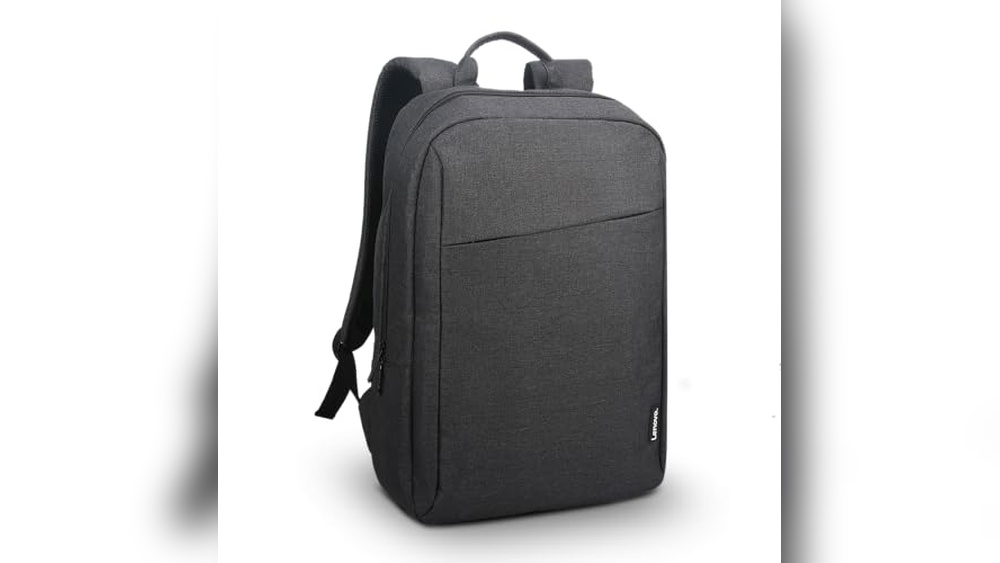
When you’re packing for a backpacking trip, every item counts—especially your food. Dried fruit is a popular choice because it’s lightweight, tasty, and packed with energy.
But you might be wondering: how long will dried fruit last while you’re out on the trail? Knowing this can save you from unpleasant surprises and keep your snacks fresh and safe to eat. Keep reading, and you’ll discover simple tips to make your dried fruit last longer, so you can enjoy every bite on your adventure.
Shelf Life Basics
Dried fruit is a popular snack for backpackers. It is lightweight and packed with energy. Knowing how long dried fruit lasts helps avoid waste and keeps your food safe. Shelf life depends on several key factors. Understanding these can help you plan better for your trips.
Storage conditions, packaging, and the type of dried fruit all play roles. Proper storage can extend shelf life. Poor storage can cause the fruit to spoil quickly. Let’s explore what affects the shelf life and the types of dried fruit you might carry.
Factors Affecting Shelf Life
Moisture is the biggest enemy of dried fruit. More moisture means faster spoilage. Keep dried fruit in airtight containers to avoid moisture. Heat speeds up the decay process. Store dried fruit in a cool, dark place.
Oxygen exposure leads to oxidation. This changes taste and texture. Vacuum-sealed packs limit oxygen exposure. The presence of preservatives can also extend shelf life. Check labels for added preservatives if you want longer storage.
Types Of Dried Fruit
Different fruits last different lengths of time. Fruits like raisins and apricots have a longer shelf life. They are dried thoroughly and have less moisture. Soft dried fruits, such as mango slices or figs, spoil faster. Their higher moisture content makes them more perishable.
Freeze-dried fruits last the longest. They have almost no moisture and keep nutrients well. Choose the type of dried fruit based on how long you plan to be out. This helps ensure you have safe and tasty snacks for your journey.
Storage Methods
Proper storage keeps dried fruit fresh longer during backpacking trips. The right method protects from air, moisture, and pests. It also keeps the fruit tasty and safe to eat. Below are some common storage options to consider for your dried fruit.
Sealed Packaging
Sealed packaging is the easiest way to store dried fruit. It stops air and moisture from spoiling the fruit. Many dried fruits come pre-packaged in sealed bags. Keep the package closed tightly after opening. This method works well for short trips.
Vacuum Sealing
Vacuum sealing removes air around the dried fruit. This slows down spoilage and keeps fruit fresh for weeks. It also saves space in your backpack. Use a small vacuum sealer or special bags. Vacuum sealing works best for long trips or bulk fruit.
Using Airtight Containers
Airtight containers block air and moisture from entering. Use plastic or metal containers with tight lids. These containers protect dried fruit from bugs and dirt. They are reusable and easy to carry. Airtight containers are a good choice for repeated use.
Ideal Conditions On The Trail
Dried fruit is a popular snack for backpackers. It provides energy and lasts longer than fresh fruit. But its shelf life depends on the trail conditions. Knowing ideal conditions helps keep dried fruit fresh and tasty for many days.
Temperature And Humidity
Cool temperatures help dried fruit last longer. Heat speeds up spoilage and makes fruit sticky. Humidity is a big enemy. Moist air can cause mold to grow. Keep dried fruit in a cool, dry place to stay fresh.
Protection From Sunlight
Sunlight harms dried fruit quality. UV rays break down nutrients and color. Sunlight also raises temperature inside the pack. Store dried fruit in a shaded spot. Use opaque bags or containers for extra protection.
Signs Of Spoilage
Dried fruit is a popular snack for backpackers due to its light weight and long shelf life. Still, it can go bad over time. Knowing the signs of spoilage helps keep you safe and prevents eating unpleasant food. Check your dried fruit carefully before eating. Small changes can tell you if it is no longer good.
Visual Changes
Look closely at the dried fruit’s surface. Mold appears as white, green, or black spots. Dark spots or discoloration may mean the fruit is old. If the fruit looks shriveled beyond normal dryness, it may be spoiled. Any unusual fuzz or powder is a red flag. Avoid eating fruit with these visual signs.
Smell And Texture
Smell the dried fruit. A sour or off odor means it may be bad. Fresh dried fruit has a sweet, fruity smell. Feel the texture. Slimy or sticky fruit is unsafe. It should be dry and slightly flexible. Hard, brittle pieces may be stale but not spoiled. Trust your nose and fingers for clues.
Taste Indicators
Taste a small piece only if it looks and smells fine. Spoiled dried fruit tastes sour, bitter, or strange. A bad taste means it is not safe to eat. Fresh dried fruit tastes sweet or tangy. Spit out any fruit with an off flavor. Do not swallow spoiled fruit to avoid stomach problems.
Maximizing Freshness
Keeping dried fruit fresh during a backpacking trip is important. Freshness means better taste and more nutrition. It also helps avoid waste and keeps your food safe to eat. Simple steps can help your dried fruit stay fresh longer. These steps save space and reduce mess in your backpack.
Pre-packaging Tips
Divide dried fruit into small, airtight bags before your trip. Use resealable plastic bags or vacuum-sealed bags. Remove as much air as possible to slow down spoilage. Label each bag with the date and type of fruit. This keeps your food organized and easy to find on the trail.
Portion Control
Pack only the amount of dried fruit you need for each day. Avoid opening large bags repeatedly. This reduces exposure to air and moisture. Smaller portions help keep unused fruit fresh longer. It also makes snack time quick and easy.
Avoiding Cross-contamination
Keep dried fruit separate from strong-smelling foods like cheese or jerky. Use different bags for each type of food. Wash your hands before handling dried fruit. Avoid touching fruit with dirty hands or utensils. This prevents mold and bad odors from developing.
Comparing Dried Fruit Types
Dried fruit is a popular snack for backpackers. It provides energy and is lightweight. Different types of dried fruit last different amounts of time. Knowing this helps you pack smart and avoid waste. Here, we compare common dried fruits and their shelf lives on the trail.
Raisins And Cranberries
Raisins and cranberries are small and chewy. They stay fresh for about 6 to 12 months if kept dry. Their natural sugars help preserve them. You can store them in a sealed bag to keep moisture out. These fruits are great for long trips.
Apricots And Peaches
Apricots and peaches are soft and sweet. They usually last 4 to 6 months when stored properly. They contain more moisture than raisins, so they spoil faster. Keep them in a cool, dry place. Use airtight containers to extend their life.
Bananas And Mangoes
Dried bananas and mangoes are tasty but less durable. They last about 3 to 6 months on average. Their higher sugar and moisture content cause quicker spoilage. Store in a cool, dark spot to keep them fresh longer. These fruits add variety to your backpack snacks.
Emergency And Long-term Options
When planning for emergencies or long trips, carrying fruit that lasts is smart. Dried fruit provides energy and nutrition without taking much space. Choosing the right type helps your food stay fresh longer.
Freeze-dried Fruit
Freeze-dried fruit keeps well for a long time. It loses almost all moisture but keeps its shape and flavor. This fruit can last for years if stored in a cool, dry place. It is light and easy to carry on any trip. Just add a little water, and it becomes soft again. Perfect for emergency kits or long backpacking trips.
Dehydrated Alternatives
Dehydrated fruit is another good option. It has a bit more moisture than freeze-dried fruit. This makes it taste sweeter but shortens its shelf life. Usually, dehydrated fruit lasts for several months to a year. Store it in airtight bags to keep bugs and air out. It works well for trips where you eat the fruit faster.
Frequently Asked Questions
How Long Does Dried Fruit Last While Backpacking?
Dried fruit can last 6 to 12 months if stored properly. Keep it sealed in an airtight container and away from moisture and heat to maintain freshness during backpacking trips.
Can Dried Fruit Spoil Without Refrigeration?
Yes, dried fruit can spoil without refrigeration if exposed to humidity or heat. Proper storage in a cool, dry place extends its shelf life and prevents mold growth.
What Affects Dried Fruit’s Shelf Life On Trails?
Temperature, humidity, and packaging affect dried fruit’s shelf life. Keeping fruit sealed, dry, and cool helps preserve taste and nutrition for longer backpacking adventures.
Is Dried Fruit Safe To Eat After Months Outdoors?
If properly stored, dried fruit remains safe for months. Check for unusual smell, texture, or mold before eating to ensure it hasn’t spoiled during your trip.
Conclusion
Dried fruit can last many days while backpacking if stored well. Keep it in a cool, dry place to stay fresh longer. Check for any signs of spoilage before eating. Packing small portions helps reduce waste and keeps fruit tasty.
Remember, proper storage is key for safe snacking outdoors. Enjoy your trip with healthy, lasting dried fruit snacks.