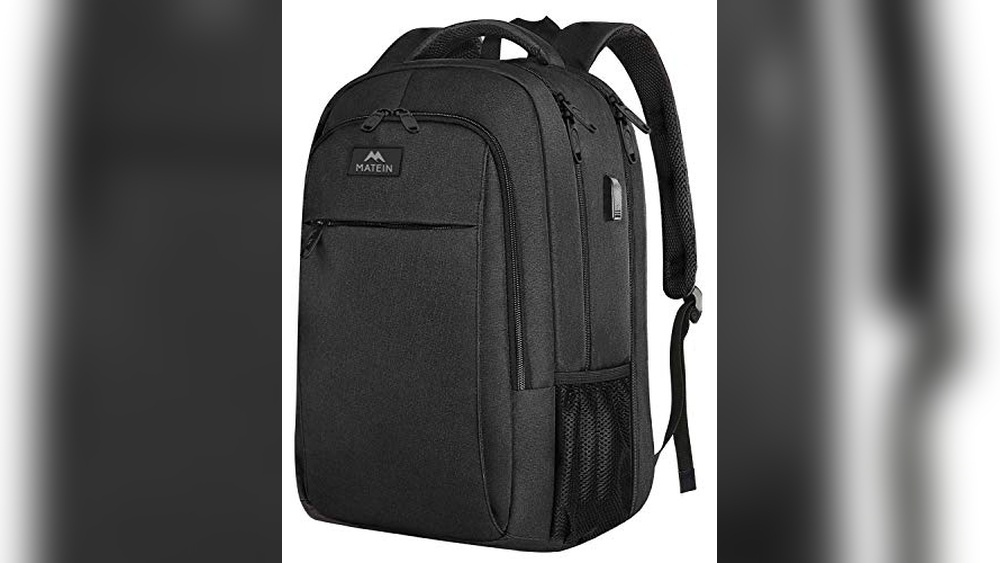
Are your backpack straps worn out or missing? Knowing how to attach straps to a backpack by sewing can save you money and extend the life of your bag.
You don’t need to be a sewing expert to do this. With a few simple steps, you can fix or replace your straps quickly and easily. Keep reading, and you’ll learn how to make your backpack comfortable and secure again—no hassle, no stress.
Choosing The Right Straps
Choosing the right straps for your backpack is important. Straps affect comfort and how well the backpack fits. The right straps make carrying heavy loads easier. They also last longer and prevent damage. Understanding types, materials, and sizes helps you pick the best straps for sewing.
Types Of Backpack Straps
There are several types of backpack straps. Shoulder straps are the most common. They carry the backpack on your back. Chest straps connect the two shoulder straps across your chest. They help keep the backpack stable. Waist straps wrap around your hips. They take weight off your shoulders. Choose straps based on how you use the backpack.
Materials For Durability
Strap materials affect strength and comfort. Nylon is strong and water-resistant. It lasts well outdoors. Polyester is also durable and resists fading. Canvas feels softer but may wear faster. Some straps have padding for extra comfort. Check the material quality before sewing it on.
Strap Width And Length
Strap width impacts comfort. Wider straps spread weight better. They reduce pressure on shoulders. Narrow straps may dig into the skin. Length matters too. Adjustable straps fit different body sizes. Make sure the straps are long enough for your needs. Proper size keeps the backpack secure and comfortable.
Gathering Tools And Materials
Gathering the right tools and materials is the first step to sew straps on a backpack. Good preparation saves time and helps create strong, lasting attachments. It also makes the sewing process easier and more precise.
Essential Sewing Tools
Start with basic sewing tools. You need sharp fabric scissors to cut straps and thread. A seam ripper helps fix mistakes quickly. Pins or clips hold the strap in place while you sew. A measuring tape or ruler ensures the straps are even. A thimble protects your finger when pushing the needle.
Thread And Needle Selection
Choose strong thread that matches the backpack color. Polyester thread works well because it is durable and flexible. Use a heavy-duty needle designed for thick fabric. Needles labeled for denim or upholstery are good choices. A needle size between 90/14 and 100/16 usually works best.
Additional Reinforcement Supplies
Extra supplies improve strap strength and safety. Use fabric glue to hold straps before sewing. Reinforcement patches or webbing add extra support. Bar tack stitches or box stitches increase durability. Heavy-duty sewing machines or hand stitching with strong thread also help.
Preparing The Backpack
Preparing the backpack is the first step before attaching new straps. This phase ensures the backpack is clean, safe, and ready for sewing. Proper preparation helps the straps fit well and last longer. It also prevents damage during the sewing process.
Cleaning And Inspecting
Start by cleaning the backpack thoroughly. Use a soft brush or cloth to remove dirt and dust. Check the fabric for any tears or weak spots. Look closely at the areas where the straps will attach. Repair any damage before moving on. A clean and strong surface holds stitches better.
Marking Strap Placement
Next, mark where the new straps will go. Use a fabric marker or chalk for clear, visible marks. Measure carefully to keep the straps even on both sides. Check the placement by holding the straps in position. Accurate marks make sewing easier and keep the backpack balanced.
Removing Old Straps
If your backpack has old or broken straps, remove them carefully. Use a seam ripper or small scissors to cut the stitches. Take your time to avoid harming the backpack fabric. Clean up any loose threads after removal. Removing old straps creates a neat area for the new ones.
Attaching Straps Step-by-step
Attaching straps to a backpack by sewing is a key step. It ensures the straps stay secure and comfortable. Follow these simple steps to do it right.
Positioning The Straps
Place the straps where you want them on the backpack. Usually, straps go near the top corners and bottom edges. Check that both straps are even in length. This helps the backpack sit right on your back.
Mark the spot with a fabric pencil or chalk. Double-check the position before you sew. Good placement keeps the backpack balanced and strong.
Pinning And Securing
Use pins to hold the straps in place. Insert pins across the strap and fabric to avoid slipping. Make sure pins do not block the sewing path. This keeps the straps from moving while sewing.
For extra hold, use clips or fabric tape. Secure both ends of the strap firmly. A steady strap means safer carrying and less wear.
Sewing Techniques For Strength
Use a strong thread like polyester for durability. Sew a box shape with an X inside at the strap ends. This creates a strong hold that resists pulling.
Take slow, even stitches. Backstitch at the start and end to lock the thread. Reinforced stitching helps the straps last longer and carry weight well.
Reinforcing The Attachment
Reinforcing the attachment of straps to a backpack is key for durability and safety. Strong attachments prevent straps from tearing off under weight or stress. This step ensures your backpack lasts longer and carries loads securely. Use simple techniques to make strap connections tough and reliable.
Double Stitching Methods
Double stitching adds an extra layer of strength to the strap attachment. Sew two rows of stitches close to each other. This distributes the load evenly and reduces strain on a single stitch line. Use a strong thread and a tight stitch pattern for best results. Double stitching keeps the straps firmly in place during heavy use.
Adding Patch Or Backing
Adding a patch or backing fabric behind the strap area improves support. Cut a small piece of strong fabric and sew it behind the strap ends. This spreads the pressure over a wider area. The patch stops the fabric from stretching or tearing near the stitches. It works as a reinforcement shield for the backpack material.
Checking For Weak Points
Inspect the strap attachment closely after sewing. Look for loose threads or uneven stitches. Test the strength by pulling gently on the straps. Weak points show signs of fabric damage or stitch gaps. Fix weak spots by adding extra stitches or patches. Regular checks help keep your backpack safe and reliable.
Finishing Touches
Finishing touches are the final steps in attaching straps to a backpack. They make your work neat and strong. These small details keep the straps safe and ready for use. Take time with each step. It ensures your backpack lasts longer and feels comfortable.
Trimming Excess Threads
Cut off loose threads close to the stitches. Use sharp scissors for a clean cut. Loose threads can catch on things and look messy. Trimming makes the backpack look tidy and well-made. Check all stitched areas for any extra threads.
Sealing Seams
Seal the seams to stop fraying. Use fabric glue or a seam sealer for this task. Apply a thin layer along the edges of the strap stitching. Let it dry completely before using the backpack. This step helps keep the stitches strong and prevents wear.
Testing Strap Stability
Pull on the straps firmly to check their strength. Make sure the stitches hold under pressure. Attach the backpack to your back and move around. Straps should feel secure and not shift or loosen. Testing ensures your sewing job is safe and durable.
Maintenance Tips For Longevity
Keeping your backpack straps in good shape helps your bag last longer. Small care steps can prevent big problems. Simple checks and cleaning keep your backpack strong and comfortable. Follow these tips to keep straps attached and working well.
Regular Inspections
Look at your straps often. Check the stitches and fabric for loose threads or tears. Pay attention to the points where the straps join the bag. Catching small problems early stops them from getting worse. Make inspections part of your routine before trips or heavy use.
Repairing Minor Damages
Fix small damages right away. Use a needle and thread to sew loose stitches. Patch small holes or worn areas with strong fabric. Avoid using weak glue or tape as a permanent fix. Repairing early saves the straps from breaking completely.
Proper Cleaning Techniques
Keep straps clean to avoid wear from dirt and sweat. Hand wash with mild soap and warm water. Use a soft brush to clean tough spots. Do not soak straps for too long. Let them air dry away from direct sunlight or heat. Clean straps last longer and stay flexible.
Frequently Asked Questions
How Do You Sew Straps Onto A Backpack?
To sew straps, align the strap ends on the backpack fabric. Use a strong thread and a sewing machine or hand stitch. Reinforce with multiple stitches for durability. Ensure straps are securely attached to handle weight.
What Materials Are Needed To Attach Backpack Straps?
You need durable fabric straps, strong thread, a needle or sewing machine, scissors, and pins. Optional tools include a measuring tape and chalk for precision. Quality materials ensure long-lasting strap attachment.
Can I Sew Backpack Straps Without A Sewing Machine?
Yes, you can hand sew straps using a strong needle and thread. Use a backstitch or box stitch for strength. It may take longer but is effective for secure attachment.
How To Reinforce Sewn Backpack Straps?
Reinforce straps by sewing multiple layers or using box stitches. Double stitching along the edges adds strength. Applying fabric glue before sewing can also enhance durability and prevent fraying.
Conclusion
Attaching straps to a backpack sew takes patience and care. Follow each step slowly and check your work often. Use the right tools and thread for strong, lasting stitches. Practice makes the process easier and more precise. Soon, your backpack will feel comfortable and secure.
Enjoy carrying your backpack with confidence and pride. Keep trying, and you will get better every time. Sewing straps is a useful skill anyone can learn.