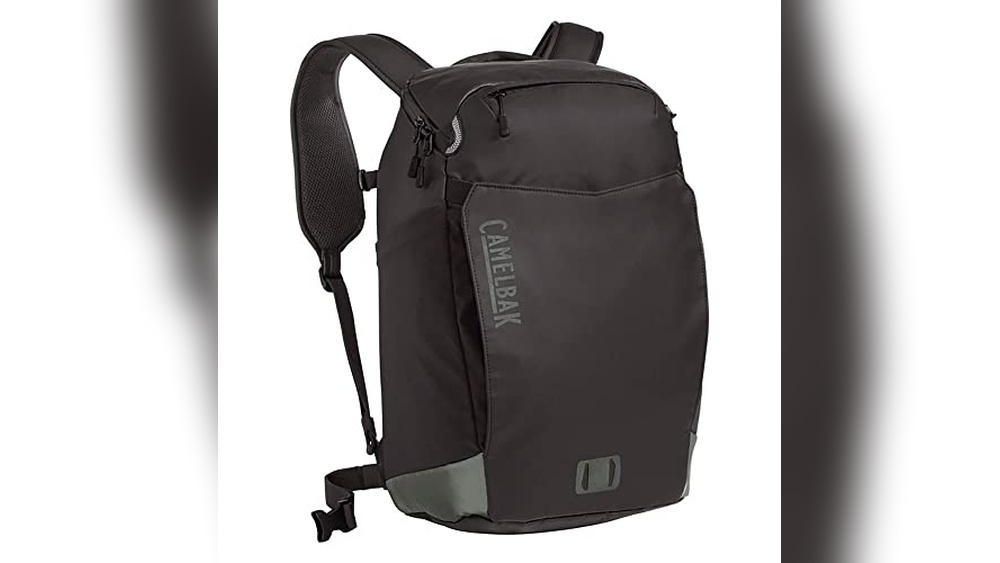
Do you ever wish your backpack had more pockets to keep your things organized? Adding pockets to your backpack can make a huge difference in how you carry your essentials.
Imagine having a special spot for your phone, keys, or snacks—easy to reach and never lost at the bottom of your bag. In this guide, you’ll learn simple, step-by-step ways to add pockets to your backpack. By the end, you’ll have a custom bag that fits your needs perfectly.
Ready to make your backpack smarter and more convenient? Let’s get started!
Choosing The Right Pocket Style
Choosing the right pocket style is key to improving your backpack’s use. Different pockets serve different needs. Some hold small items, others keep things secure. Picking the right style helps keep your stuff organized and easy to find.
Patch Pockets
Patch pockets are simple and flat. They sew directly onto the backpack’s surface. These pockets are easy to make and add. They work well for items you want quick access to, like a phone or a map. Patch pockets come in many sizes and shapes.
Zippered Pockets
Zippered pockets offer more security. They keep your items safe inside. These pockets are great for valuables like keys or money. The zipper stops things from falling out. They can be small or large, depending on what you need to carry.
Elastic Pockets
Elastic pockets stretch to hold items snugly. They are good for bottles or snacks. The elastic keeps things from slipping out. These pockets often sit on the side or front. They add flexibility and convenience to your backpack.
Selecting Materials And Tools
Selecting the right materials and tools is the first step to add pockets to your backpack. The choice affects durability and appearance. Choosing the best fabric and supplies helps your pocket last long and fit well. Gather all needed items before starting the project. Here’s a guide to help you pick the right materials and tools.
Fabric Types
Choose a fabric that matches your backpack’s material. Canvas is strong and works well for outdoor backpacks. Nylon is light and water-resistant, perfect for sporty bags. Denim offers a casual look and good strength. Pick fabric that feels sturdy but easy to sew. Avoid thin or stretchy fabrics that may tear easily. Use lining fabric inside pockets for a neat finish.
Sewing Supplies
Use heavy-duty thread for strong seams. Polyester thread resists wear and water. Sharp needles make sewing easier, especially on thick fabrics. A sewing machine speeds up the work and gives neat stitches. Scissors must be sharp to cut fabric cleanly. Pins or clips hold fabric pieces together while sewing. A measuring tape helps mark fabric accurately.
Optional Accessories
Add zippers for secure pockets. Choose plastic or metal zippers based on your style. Velcro strips make pockets easy to open and close. Buttons or snaps add decorative and functional touches. Use fabric glue for extra hold before sewing. Pocket patterns or templates help cut fabric evenly. Consider reinforcing corners with extra stitching for strength.
Measuring And Marking Pocket Placement
Measuring and marking pocket placement is the first step to a neat and useful addition. It helps to make sure pockets fit well and look good. Precise measuring avoids mistakes and saves time. Marking shows exactly where to sew or attach pockets.
Determining Size
Decide how big your pockets need to be. Think about what items you want to carry. A small pocket is good for keys or cards. Larger pockets fit water bottles or snacks. Measure these items and add some extra space. This helps pockets hold items comfortably without stretching.
Ideal Locations On Backpack
Choose spots that are easy to reach. Side pockets work well for water bottles. Front pockets are great for quick access items. Avoid placing pockets where they block zippers or straps. Also, keep pockets balanced on both sides. This keeps the backpack stable when you carry it.
Marking Guidelines
Use a pencil or fabric chalk to mark spots. Make small, light marks that can be erased later. Double-check your measurements before marking. Mark the corners and edges of where the pocket will go. This helps you sew straight and even pockets. Clear markings lead to a professional look.
Cutting And Preparing Fabric
Cutting and preparing fabric is the first step to adding pockets to your backpack. It sets the foundation for a neat, strong pocket. Careful preparation helps the pocket last longer and look better. Take time to measure and cut fabric with precision. This ensures your pocket fits well and holds items securely.
Cutting Techniques
Use sharp fabric scissors for clean cuts. Dull scissors can fray fabric edges. Place the fabric on a flat surface before cutting. Mark your pocket shape with chalk or a fabric pen. Cut slowly following the marked lines. Avoid cutting too close to the edge to prevent fraying. For rounded corners, cut small curves smoothly. Straight edges are easier to sew and align.
Reinforcing Edges
Reinforce the edges to stop fabric from fraying. Fold the edges over about ¼ inch and press with an iron. Sew a straight stitch along the folded edge. Double stitching adds extra strength to stress points. Use a zigzag stitch for fabrics that fray easily. Reinforced edges make the pocket stronger and last longer.
Adding Linings
Adding a lining makes the pocket more durable. Cut lining fabric the same size as the outer fabric. Place the lining and outer fabric right sides together. Sew around the edges, leaving a small opening. Turn the pocket right side out through the opening. Press the edges flat with an iron. Sew the opening closed with a hidden stitch. Linings give pockets a clean look and extra support.
Attaching Pockets To Backpack
Attaching pockets to your backpack helps keep things organized and easy to reach. You can choose from several ways to fix pockets securely. Each method has its own tools and steps. Pick the one that fits your skills and materials.
Hand Sewing Methods
Hand sewing works well for small or delicate pockets. Use strong thread and a sharp needle. Start by pinning the pocket in place on the backpack. Sew with small, even stitches along the edges. Double stitch corners for extra strength. Take your time to avoid mistakes. Hand sewing lets you control every stitch.
Using A Sewing Machine
A sewing machine makes attaching pockets faster and neater. Choose a heavy-duty needle for thick backpack fabric. Pin the pocket carefully to prevent shifting. Sew slowly around the edges, keeping stitches straight. Backstitch at the start and end to secure the thread. This method creates a strong hold and clean finish. It suits larger pockets and tougher fabrics.
Securing With Adhesives
Adhesives offer a quick, no-sew option for attaching pockets. Use fabric glue or iron-on adhesive tape made for textiles. Place the pocket in position and press firmly. Let glue dry fully before use. Adhesives work best for light, flat pockets. They may not hold well under heavy use. Always test adhesive on a small area first.
Adding Closures And Finishing Touches
Adding closures and finishing touches makes your new backpack pockets practical and neat. They keep your items safe and make the pockets easy to use. Choosing the right closure depends on your needs and style.
Installing Zippers Or Velcro
Zippers provide strong closure and keep things secure. Sew the zipper carefully along the pocket edge. Make sure it opens and closes smoothly. Velcro is easier to attach and use. Cut two strips and sew them on both sides of the pocket opening.
Adding Buttons Or Snaps
Buttons add a classic look and firm hold. Sew the button on one side and make a loop or buttonhole on the other. Snaps are quick to open and close. Use a snap fastener tool to attach them evenly. Both options are great for light items.
Reinforcing Stitching
Strong stitching keeps pockets durable and long-lasting. Double stitch around the edges and closures. Use thick thread for extra strength. Check all seams to avoid loose threads. Reinforced stitching prevents tears and handles weight well.
Tips For Durable And Functional Pockets
Adding pockets to your backpack makes it more useful and organized. Durable and functional pockets last longer and hold your items safely. Use the right materials and methods to improve pocket strength. Think about how to protect your stuff from rain and damage. Balance the weight to avoid strain on the backpack. Keep pockets clean and in good shape for better use.
Waterproofing Options
Choose waterproof fabric like nylon or polyester for pockets. Use waterproof zippers or flaps to keep water out. Apply a water-repellent spray to add extra protection. Sew pockets with sealed seams to stop water from entering. These steps help keep your items dry in wet weather.
Weight Distribution
Place pockets evenly on both sides of the backpack. Avoid putting heavy items in one pocket only. Position heavier pockets near the backpack’s center. This reduces stress on straps and keeps balance. Proper weight distribution makes carrying easier and more comfortable.
Maintenance Advice
Clean pockets regularly with a damp cloth or mild soap. Check for loose threads and stitches often. Repair small tears quickly to prevent bigger damage. Avoid overloading pockets beyond their size and strength. Proper care extends pocket life and keeps them functional.
Frequently Asked Questions
How Do I Choose The Right Fabric For Backpack Pockets?
Choose durable, water-resistant fabric like nylon or canvas for backpack pockets. Ensure it matches your backpack’s material for a seamless look. Consider fabric thickness to support the pocket’s weight and use.
What Tools Are Needed To Add Pockets To A Backpack?
You need fabric scissors, sewing needles or a sewing machine, thread, pins, and measuring tape. Optional tools include fabric glue or iron-on adhesive for no-sew pockets.
Can I Add Pockets Without Sewing Skills?
Yes, use iron-on adhesive or fabric glue for no-sew pockets. These methods are easy and effective for adding simple pockets to backpacks.
Where Should I Place New Pockets On My Backpack?
Place pockets where they are accessible and don’t interfere with the backpack’s shape. Common spots include sides, front, or inside the main compartment.
Conclusion
Adding pockets to your backpack makes it more useful and organized. It helps keep your things safe and easy to find. You can choose the best spot and size for each pocket. Sewing or using glue works well for attaching pockets.
Take your time and enjoy making your backpack better. Now, your backpack suits your needs perfectly. Try this simple project and carry your stuff with ease every day.