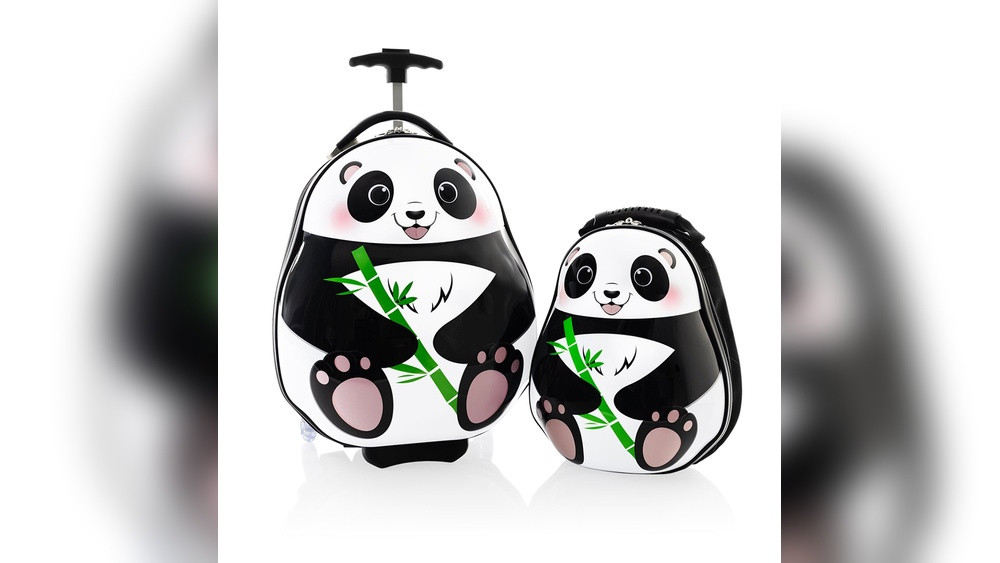
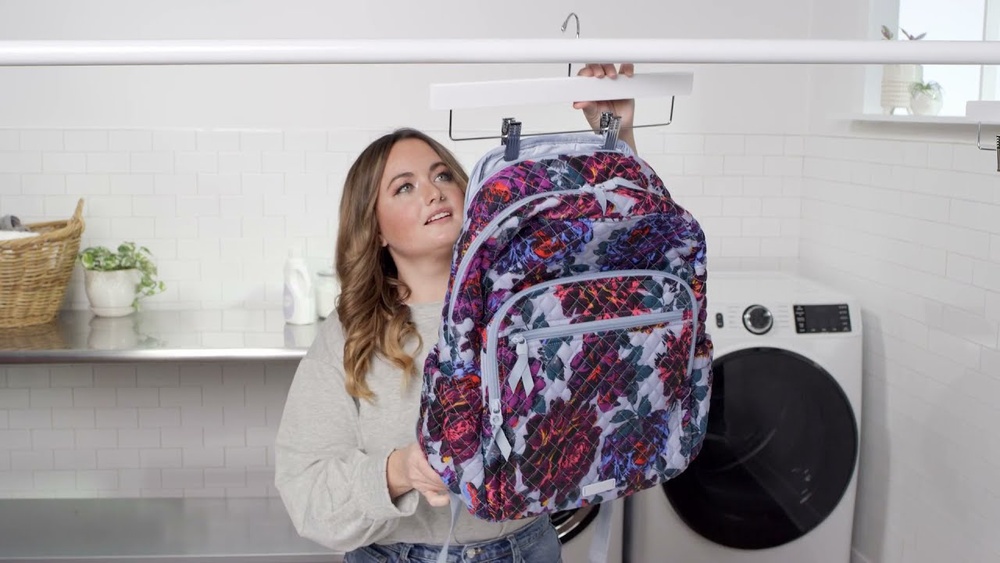
Have you ever stopped to think about how much your child’s backpack really weighs? Carrying too much can cause more than just tired shoulders—it can lead to pain and long-term health problems.
But how do you know when a backpack is too heavy? You’ll discover simple ways to check the right weight for your child’s school bag. Understanding this can protect your child’s health and make their school days more comfortable. Keep reading to learn exactly what weight is safe and how to lighten the load without missing anything important.
Backpack Weight Limits
Backpack weight limits are important for children’s health and comfort. Carrying too much weight can cause pain and affect posture. Schools and health experts suggest safe weight ranges for school backpacks. These limits depend on age and body strength. Knowing these limits helps parents and kids avoid problems.
Choosing the right backpack weight can reduce the risk of back and shoulder pain. It also helps children stay active and focused throughout the school day.
Recommended Weight By Age
Experts suggest backpacks weigh no more than 10-15% of a child’s body weight. Younger children should carry less. For example, a 50-pound child should carry 5 to 7.5 pounds. Older kids can carry a bit more but should stay within limits. Keeping backpacks light helps children walk and move easily.
Factors Influencing Weight Tolerance
Several factors affect how much weight a child can carry. Body size and muscle strength matter most. A taller, stronger child can handle more weight. The backpack design also plays a role. Padded straps and waist belts distribute weight better. The time spent carrying the bag is important too. Short walks can handle heavier loads than long ones.
Health Risks Of Overloaded Backpacks
Carrying a backpack that is too heavy can cause serious health problems for children. Their bodies are still growing and not ready for extra strain. Overloaded backpacks can lead to pain, discomfort, and even long-term damage. Understanding these risks helps parents and students make safer choices.
Ignoring backpack weight can affect a child’s health in many ways. The pressure on the spine, muscles, and bones can lead to lasting issues. Knowing the dangers helps prevent harm and keeps children healthy.
Spinal Strain And Posture Issues
Heavy backpacks pull the body backward. This causes children to lean forward to balance the weight. The spine bends unnaturally. Over time, this poor posture can cause spinal strain. It may lead to problems like scoliosis or a curved spine. Bad posture also increases the risk of back pain and discomfort.
Muscle Fatigue And Pain
Carrying too much weight tires the muscles quickly. The back, shoulders, and neck muscles work harder than normal. This causes muscle fatigue and soreness. Children may feel pain after a short time. Muscle strain can make daily activities harder. It may also reduce their ability to focus in school.
Long-term Effects On Growth
Heavy backpacks can affect bone growth in children. The extra weight puts stress on growing bones and joints. This can slow down proper development. Over time, it might cause deformities or uneven growth. Protecting children from heavy loads supports healthy bone and muscle growth.
Signs Of An Overloaded Backpack
Knowing the signs of an overloaded backpack helps protect children’s health. Carrying too much weight can cause pain and discomfort. It can also affect their mood and behavior. Parents and teachers should watch for these signs early. This way, they can help reduce the backpack load.
Children may not always say they feel pain. Watching their body and actions can tell a lot. These signs show when the backpack weight is too much. Acting fast can prevent long-term problems.
Physical Symptoms To Watch
Back pain is a common symptom of a heavy backpack. Kids might complain about sore shoulders or neck. Look for red marks on their skin from straps. They may also lean forward or to one side while walking. Tiredness and muscle strain often appear after carrying heavy bags. Some children may have trouble standing straight. Watch for headaches that come after school too.
Behavioral Changes In Children
Children may avoid carrying their backpacks or school entirely. They might seem tired or less interested in activities. Mood changes like irritability or sadness can happen. Some children ask for help more often than before. They may also rush or drag their backpacks without care. These changes hint at discomfort from an overloaded bag.
Choosing The Right Backpack
Choosing the right backpack is key to avoid carrying too much weight. It helps protect the back and shoulders. A good backpack makes school days easier and more comfortable.
Ergonomic Design Features
An ergonomic backpack fits the body shape well. It supports the natural curve of the spine. Wide shoulder straps spread the weight evenly. A padded back panel adds comfort and reduces strain. This design helps prevent back pain and posture problems.
Material And Durability Considerations
Strong materials keep the backpack safe from wear and tear. Look for water-resistant fabrics to protect books and electronics. Lightweight materials reduce the overall load. Durable zippers and seams ensure the backpack lasts long. Quality materials save money by avoiding frequent replacements.
Adjustable Straps And Padding
Adjustable straps allow a custom fit for every child. Proper strap length keeps the backpack close to the body. Thick padding on straps prevents digging into shoulders. Chest or waist straps help balance the weight better. This reduces pressure on the back and improves comfort.
Packing Tips To Reduce Weight
Carrying a heavy backpack can cause pain and affect a child’s posture. Reducing the weight helps protect their back and makes school days easier. Simple packing tips can make a big difference in how much weight a backpack holds.
Focus on what is truly needed. Organize items well to spread the weight evenly. Use digital tools to cut down on physical books and papers.
Prioritizing Essentials
Choose only the necessary books and supplies for each day. Leave extra notebooks or materials at home. Pack snacks and water in small containers. This keeps the backpack light and manageable.
Organizing For Balance
Place heavier items close to the back for better support. Use compartments to separate items and keep them steady. Distribute weight evenly on both sides. Avoid overloading one side to prevent strain.
Using Digital Resources
Replace heavy textbooks with tablets or e-readers if possible. Download notes and assignments to reduce paper. Use apps for homework and reading. This lowers the need to carry many books every day.
Alternatives To Carrying Heavy Loads
Carrying heavy backpacks can cause pain and injury for students. Finding ways to reduce the weight helps protect their health. Schools and parents can work together to make carrying books easier. Small changes can have a big impact on students’ comfort and focus.
Locker Use And Storage Options
Lockers offer a simple way to store books at school. Students can keep heavy items in lockers instead of carrying them all day. This lowers the load on their backs and shoulders. Schools should provide enough lockers near classrooms for easy access. Using lockers wisely helps students carry only what they need for each class.
Parent And School Support
Parents can help by buying lightweight school supplies. Schools can choose digital textbooks to reduce physical books. Teachers can plan homework that requires fewer materials. Support from adults makes a big difference in managing backpack weight. Teamwork between parents and schools keeps students safe and healthy.
Scheduling And Planning
Planning school days helps reduce the number of books carried. Students can organize their schedule to bring only necessary materials. Using a checklist prevents carrying extra items. Schools can arrange classes to limit heavy book transport. Good planning reduces strain and helps students stay comfortable all day.
Encouraging Healthy Backpack Habits
Encouraging healthy backpack habits helps protect children’s backs. It also teaches responsibility and care for their belongings. Good habits start early and last a lifetime. Parents and teachers play a big role in guiding these habits.
Regular Weight Checks
Check the backpack weight often. Use a scale to measure how heavy it is. Keep the weight under 10 to 15 percent of the child’s body weight. Remove extra items that are not needed every day. This prevents strain and discomfort during school hours.
Teaching Proper Lifting Techniques
Show children how to lift backpacks safely. Teach them to bend their knees and use both hands. Avoid twisting while lifting or carrying the bag. This reduces the risk of injury and muscle strain. Encourage slow, careful movements with the backpack.
Involving Children In Backpack Choices
Let children help pick their backpacks. Choose lightweight bags with padded straps and back support. Ensure the backpack fits their size and body shape well. This makes carrying more comfortable and less harmful. Involving children also helps them value the right backpack.
Frequently Asked Questions
How Much Weight Is Safe For A School Backpack?
A safe backpack weight is 10-15% of the child’s body weight. Exceeding this can cause back pain and posture issues. Always adjust straps for comfort and distribute weight evenly.
What Health Problems Come From Heavy Backpacks?
Heavy backpacks can cause back pain, shoulder strain, and poor posture. Prolonged use may lead to muscle fatigue and spinal issues in growing children.
How Can I Lighten My Child’s School Backpack?
Remove unnecessary items and use digital textbooks if possible. Organize books by day and only carry what’s needed. A backpack with multiple compartments helps distribute weight evenly.
When Should I Be Concerned About Backpack Weight?
Be concerned if the backpack feels uncomfortable or causes pain. If weight exceeds 15% of body weight, it’s time to lighten the load or use a rolling backpack.
Conclusion
A backpack that is too heavy can cause pain and injury. Keep the weight under 10-15% of a child’s body weight. Choose backpacks with padded straps and many compartments. Teach children to pack only what they need each day. Regularly check and adjust the backpack for comfort.
A lighter backpack helps students stay healthy and focused at school. Small changes make a big difference in their daily comfort. Always prioritize safety and ease when packing school bags.