Imagine waking up to the fresh scent of pine trees, the sound of birds singing, and a breathtaking view just outside your tent. You want to backpack, hike, and camp anywhere you choose in California, without limits or confusion.
But how do you find the best spots, follow the rules, and make sure you’re safe and prepared? This guide is made just for you. It will show you exactly how to explore California’s wild places your way, with confidence and ease.
Keep reading, and discover the secrets to your next unforgettable adventure.
Planning Your California Backpacking Trip
Planning your backpacking trip in California sets the stage for a great adventure. Proper planning helps avoid problems on the trail. It also makes sure you enjoy every moment outdoors. This section covers key steps to prepare for your trip, from picking the best spot to knowing the rules and timing your journey.
Choosing The Right Destination
California offers many hiking and camping spots. Each has different views and difficulty levels. Some trails are easy for beginners. Others challenge experienced hikers. Think about your fitness and skills. Check maps and read reviews. Find a place that fits your needs and interests.
Permits And Regulations
Many California parks require permits for camping and hiking. Permits help protect nature and control crowd sizes. Check the official park websites for rules. Apply for permits well before your trip. Follow all rules to keep parks clean and safe. Respect wildlife and other hikers on the trail.
Best Time To Go
Weather in California varies a lot by region. Coastal areas stay mild year-round. Mountains can be cold and snowy in winter. Spring and fall often offer the best weather for hiking. Summers can be hot, especially inland. Plan your trip during seasons with safe and comfortable weather.
Essential Gear For Backpacking And Camping
Backpacking and camping in California require the right gear. Choosing essential items makes trips safe and enjoyable. Packing smart helps carry less weight. This section covers key gear for your adventure.
Backpacks And Packing Tips
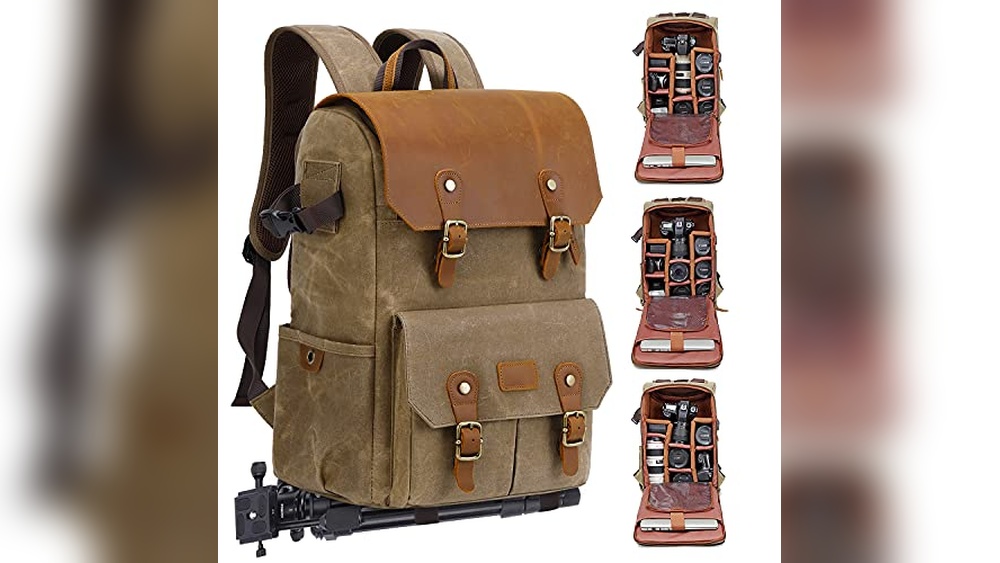
Select a backpack with good support and size. Aim for 40 to 60 liters for multi-day trips. Pack heavy items close to your back. Use packing cubes or stuff sacks to stay organized. Keep important gear easy to reach.
Shelter And Sleeping Equipment
Bring a lightweight tent or hammock with a rainfly. A sleeping bag rated for the season is a must. Add a sleeping pad for comfort and insulation. Test your shelter setup before the trip. It saves time and stress at camp.
Clothing And Footwear
Wear layers to adjust to changing weather. Choose moisture-wicking fabrics for comfort. Carry a waterproof jacket and warm hat. Hiking boots must fit well and be broken in. Extra socks help keep feet dry and healthy.
Cooking And Food Storage
Use a compact stove with fuel for hot meals. Pack lightweight cookware and utensils. Bring food that is easy to prepare and nutritious. Store food in bear-proof containers or hang it. Clean up thoroughly to avoid wildlife encounters.
Navigation And Safety
Navigation and safety are key for a great backpacking trip in California. Knowing where you are and staying safe helps you enjoy the wild without stress. Plan your routes carefully and prepare for surprises.
Maps And Gps Devices
Carry a detailed map of your hiking area. Paper maps work well if devices fail. A GPS device shows your exact location. It helps track your path and find campsites. Always check batteries before you start. Learn to read maps and use GPS together.
Wildlife Awareness
California has many wild animals. Keep a safe distance from bears, mountain lions, and snakes. Store food in bear-proof containers. Make noise while hiking to avoid surprising animals. Know what to do if you meet wildlife. Respect their space to stay safe.
Emergency Preparedness
Carry a first aid kit for small injuries. Have a whistle and mirror to signal for help. Know the nearest ranger station or emergency number. Tell someone your route and expected return time. Prepare for bad weather with extra clothes and shelter. Stay calm and use your tools if you face trouble.
Camp Setup And Leave No Trace Practices
Setting up camp properly and following Leave No Trace principles are vital for a safe and respectful outdoor experience. These practices protect nature and keep the area beautiful for others. A good camp setup also helps you stay comfortable and safe during your hike and camping trip in California.
Choosing A Campsite
Pick a spot that is flat and free of rocks or roots. Avoid fragile plants and wetlands. Stay at least 200 feet away from lakes and streams. Use established campsites when possible. This reduces damage to new areas. Look for natural wind breaks to shield your tent. Check for signs of animal activity and avoid those places. Choose a site that gets some shade during the day.
Setting Up Your Tent
Clear the ground of sticks and stones before pitching your tent. Lay down a footprint or tarp under your tent to protect the floor. Make sure your tent is tight and secure. This prevents water and wind from entering. Position your tent door away from the wind. Use all tent stakes and guy lines for stability. Keep your cooking area separate from your sleeping space. This keeps wildlife away from your tent.
Minimizing Environmental Impact
Pack out all trash, leftover food, and litter. Do not burn trash or food scraps. Use a camp stove instead of an open fire to reduce damage. If fires are allowed, keep them small and use existing fire rings. Scatter cold ashes away from camp. Avoid trampling plants and soil by walking on durable surfaces. Use biodegradable soap at least 200 feet from water sources. Leave rocks, plants, and other natural objects as you found them.
Hiking Techniques And Tips
Hiking in California offers many beautiful trails and campsites. To enjoy the outdoors safely, use good hiking techniques. These tips help you save energy and stay healthy on your trip.
Learning how to pace yourself, find water, and handle weather changes makes your hike easier. Each step can be fun and comfortable with the right habits.
Pacing And Resting
Start your hike at a slow, steady pace. Avoid going too fast at the beginning. Walk in a rhythm that feels natural. Take short breaks every hour to rest your legs.
Use these moments to drink water and eat small snacks. Resting helps your body recover and keeps your energy up. Listen to your body and adjust your speed as needed.
Water Sources And Hydration
Water is essential for any hike. Carry enough water and know where to find more. Streams and springs are common in California trails. Treat the water by boiling or using filters before drinking.
Drink small amounts often. Do not wait until you feel thirsty. Staying hydrated prevents tiredness and heat problems. Plan your route near reliable water spots.
Dealing With Weather Changes
California weather can change quickly. Carry layers of clothing to stay warm or cool. Waterproof jackets protect you from rain and wind. Check the weather forecast before you leave.
Find shelter if a storm starts. Avoid exposed areas during lightning. Being prepared helps you stay safe and enjoy your hike despite weather changes.
Local Highlights And Hidden Gems
California offers many places for backpacking, hiking, and camping. The state has popular spots and quiet, hidden gems. These places show the beauty of nature and local culture. Exploring these areas helps you enjoy your trip more.
From famous trails to secret camping spots, California has something special. Discover these local highlights to plan your adventure well.
Iconic Trails And Parks
California has famous trails like the John Muir Trail and Pacific Crest Trail. These paths show mountains, forests, and lakes. National parks such as Yosemite and Sequoia attract many hikers. The views are stunning and the trails well-marked. These places offer great chances for outdoor fun and photo moments.
Secluded Spots For Camping
Many quiet camping spots hide away from busy parks. Places like Ventana Wilderness or Lost Coast offer peace and fewer crowds. These areas let you enjoy nature’s sounds and starry nights. Bring your gear and be ready for simple, peaceful camping. These spots help you feel close to nature without distractions.
Cultural And Natural Attractions
California’s culture adds charm to your outdoor trip. Visit Native American sites and old mining towns. These places tell stories of the past. Natural wonders like the Redwood forests and hot springs add more interest. Exploring these attractions makes your hike and camp trip more meaningful.
Frequently Asked Questions
What Permits Do I Need For Backpack Hiking In California?
Most California backpack hikes require permits from park authorities. Check specific park websites for permit types, costs, and application deadlines. Some popular trails need advance reservations to protect natural resources and control crowding. Always carry your permit during your hike to avoid fines.
Where Can I Camp Freely In California Backcountry?
California allows dispersed camping on many National Forest lands, outside developed campgrounds. Follow Leave No Trace principles and camp at least 200 feet from water sources. Check local regulations, as some areas may have seasonal restrictions or fire bans.
How To Plan A Safe Backpack Hiking Route In California?
Study topographic maps and trail guides before hiking. Consider weather, terrain, and water availability. Inform someone about your route and expected return. Carry essential gear like navigation tools, first aid, and enough food. Always prepare for sudden weather changes in California’s varied climates.
When Is The Best Time For Backpack Hiking In California?
Late spring to early fall offers the best hiking weather in most California regions. Avoid winter in high elevations due to snow and ice. Coastal areas are milder year-round but can be foggy. Check local conditions and fire danger before planning your trip.
Conclusion
Backpacking, hiking, and camping in California can be simple and fun. Plan your trip well and choose safe spots to camp. Respect nature and follow all rules to protect the environment. Pack only what you need and stay prepared for any weather.
Enjoy the freedom to explore beautiful places at your own pace. Every adventure teaches you something new. Keep learning and stay curious. Your journey in California’s wild lands will bring great memories and peace. Start small, stay safe, and enjoy every step of the way.