Are you ready to take your backpacking adventures to the next level? Building endurance is the key to enjoying longer trips without feeling exhausted or overwhelmed.
Imagine hiking for hours, carrying your gear with ease, and still having energy left to soak in the stunning views. In this guide, you’ll discover simple and effective ways to boost your stamina, so every step feels lighter and every mile more exciting.
Keep reading, and you’ll learn how to prepare your body and mind for the trails ahead—making your backpacking experience truly unforgettable.
Benefits Of Backpacking Endurance
Building endurance for backpacking brings many benefits. It makes your hikes easier and more enjoyable. You can carry heavier loads without feeling tired. Your body becomes stronger and more prepared for long trips. Endurance helps you explore further and stay safe in nature.
With good endurance, you face fewer health issues on the trail. Your muscles and heart work better. You recover faster after tough days. This lets you hike more days in a row. Endurance also boosts your confidence to tackle new challenges.
Improved Physical Strength
Endurance training builds muscle and strengthens your bones. It supports joints and reduces injury risks. You can carry your backpack longer without strain. This makes hiking less painful and more fun.
Better Cardiovascular Health
Backpacking endurance improves heart and lung function. It helps your body use oxygen more efficiently. You breathe easier during climbs and fast walks. This lowers fatigue and keeps energy high.
Increased Mental Toughness
Endurance hikes train your mind to stay focused. You learn to push through discomfort and fatigue. This mental strength helps with planning and decision-making. It builds patience and calm in tough situations.
Enhanced Energy Levels
Good endurance means your body manages energy better. You feel less tired on long trails. Your stamina lasts through the day. This allows for more exploration and adventure.
Greater Enjoyment Of Nature
With endurance, you hike at your own pace. You stop less often and cover more ground. This leads to better views and more wildlife sightings. You enjoy the outdoors without feeling rushed or exhausted.
Key Components Of Endurance
Endurance is essential for backpacking. It helps you walk longer, carry heavy loads, and enjoy your trip without too much tiredness. Building endurance means working on different parts of your body and mind. These parts work together to keep you going during long hikes.
Cardiovascular Fitness
Cardiovascular fitness means how well your heart and lungs work. It helps you breathe better and move longer without stopping. Walking, running, cycling, or swimming can improve this fitness. Try to do these activities regularly to build strong heart and lungs.
Muscular Strength
Strong muscles support your body during hikes. They help carry your backpack and keep you steady on rough trails. Focus on exercises like squats, lunges, and core workouts. Strong legs, back, and stomach muscles reduce the chance of injury.
Mental Stamina
Mental stamina helps you stay focused and positive on tough hikes. It keeps you moving even when you feel tired or face challenges. Practice setting small goals and staying calm under pressure. Mental strength makes long backpacking trips easier and more fun.
Essential Gear For Training
Choosing the right gear is key to building endurance for backpacking. Good equipment helps your body adjust to long hikes and heavy loads. The right gear also keeps you comfortable and safe during training sessions. Focus on three main areas: backpack, footwear, and clothing.
Backpack Selection
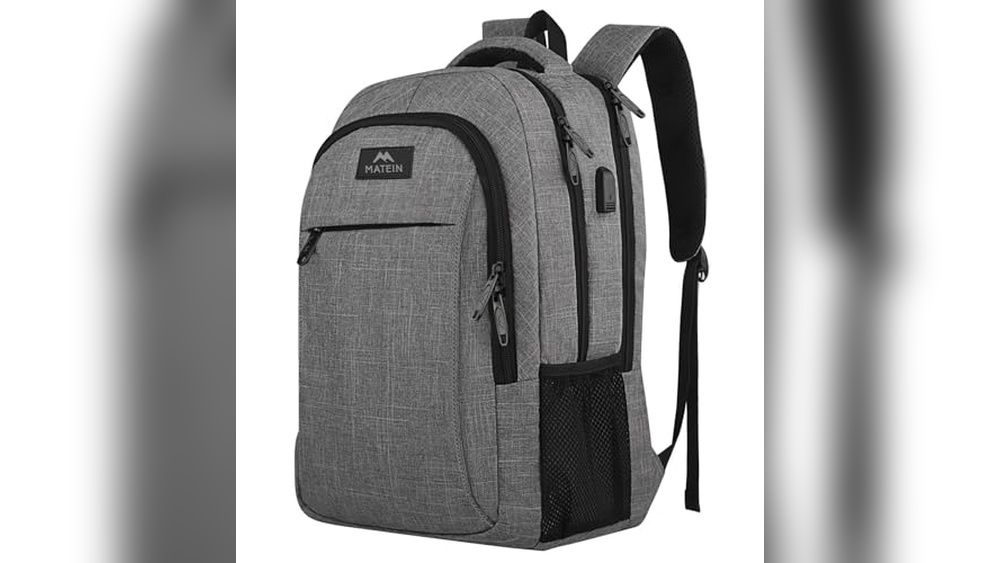
Select a backpack that matches the weight you plan to carry. Start with a smaller pack for short training walks. Gradually increase the weight as your strength improves. Look for padded straps and a supportive hip belt. These features reduce strain on your shoulders and back. A well-fitted backpack helps you keep good posture. This prevents injury and saves energy.
Footwear Choices
Pick shoes designed for hiking or trail walking. They should fit well and feel comfortable from the first use. Avoid shoes that pinch or rub your feet. Good shoes protect your feet on rough paths. They also give better grip on slippery or uneven surfaces. Break in your shoes during training to avoid blisters on your trip.
Clothing And Accessories
Wear clothes made of breathable, quick-dry fabric. These keep sweat away and reduce chafing. Dress in layers to adjust to changing weather. Use moisture-wicking socks to keep feet dry. Carry a hat and sunglasses to protect from sun. Gloves can help if you train in cold weather. Small accessories like a water bottle and a whistle are useful. They keep you safe and hydrated during long hikes.
Building A Training Plan
Building a training plan is key to improving endurance for backpacking. A clear plan helps you stay on track and avoid injury. It breaks down your goals into small, easy steps. Consistency in training makes a big difference over time.
Focus on steady progress. Your body adapts better to gradual challenges. A good plan mixes different types of workouts. This keeps training fresh and targets all your muscles.
Setting Realistic Goals
Start with small, clear goals. Choose targets you can reach in weeks or months. Avoid setting goals too high too fast. Realistic goals build confidence and keep you motivated. For example, plan to hike 2 miles with a light pack first. Then add distance or weight slowly.
Balancing Workouts
Mix aerobic exercises like walking or jogging with strength training. Aerobic workouts boost heart and lung capacity. Strength training builds muscles for carrying a heavy pack. Include rest days to help muscles recover. Balance prevents burnout and reduces injury risk.
Tracking Progress
Record your workouts in a journal or app. Note distance, time, and how you feel after each session. Tracking helps you see improvements and find areas to improve. Adjust your plan based on progress. Celebrate small wins to stay motivated.
Cardio Workouts For Backpacking
Cardio workouts are key to building endurance for backpacking. They strengthen your heart, lungs, and muscles. This helps you walk longer distances without feeling tired. Regular cardio also improves your stamina on uneven trails. Choose exercises that raise your heart rate and keep it steady. Here are some effective cardio workouts for backpacking.
Running And Jogging
Running and jogging improve your cardiovascular fitness fast. They build strong leg muscles and increase lung capacity. Start slow with short runs and increase distance over time. Use trails or parks to simulate backpacking terrain. Running uphill trains your body for steep climbs. Try interval training to boost endurance and speed. These workouts prepare you for long backpacking days.
Cycling
Cycling is a low-impact cardio workout that builds leg strength. It improves your heart health without stressing your joints. Ride on different terrains to mimic trail conditions. Use hills to increase effort and build stamina. Cycling helps increase your overall endurance for long hikes. It also improves your balance and coordination. Consistent cycling sessions make backpacking easier and more enjoyable.
Swimming
Swimming is a full-body cardio workout that builds endurance gently. It improves lung capacity and strengthens muscles evenly. Water supports your body, reducing joint stress. Swim laps at a steady pace to build stamina. Use different strokes to engage various muscles. Swimming also helps recover from other workouts. It’s a perfect cardio exercise for backpackers of all levels.
Strength Training Tips
Building endurance for backpacking requires more than just walking long distances. Strength training helps your muscles support your body and heavy loads. It reduces injury risk and improves stamina on trails. Focus on key muscle groups that carry most of your weight and keep you stable.
Core Exercises
A strong core supports your back and improves balance. Try planks, sit-ups, and Russian twists. These moves tighten the muscles around your stomach and lower back. A solid core helps you carry a backpack comfortably for hours.
Leg Workouts
Your legs do most of the work during backpacking. Squats, lunges, and step-ups build leg strength. These exercises target your thighs, calves, and glutes. Strong legs help you climb hills and walk on rough trails without getting tired fast.
Upper Body Conditioning
The upper body holds the backpack straps and helps with balance. Push-ups, pull-ups, and shoulder presses strengthen your arms and shoulders. These exercises make it easier to carry heavy packs and keep good posture on the trail.
Hiking Practice Techniques
Building endurance for backpacking requires regular hiking practice. Practicing on trails helps your body adjust to the demands of long hikes. It also improves your strength, balance, and stamina. Focus on different techniques during your hikes to prepare better. Three key areas to work on are trail selection, backpack weight management, and pacing with rest.
Trail Selection
Choose trails that match your current fitness level. Start with easy, flat paths to build confidence. Gradually pick routes with hills and uneven surfaces. This trains your muscles and joints for real backpacking. Try trails with different lengths to increase endurance step by step. Variety also prevents boredom and keeps you motivated.
Backpack Weight Management
Practice hiking with a loaded backpack. Begin with light weight and slowly add more. This helps your body get used to carrying gear. Adjust the pack to fit well and balance the load. Proper weight distribution reduces fatigue and risk of injury. Carry gear similar to what you’ll take on your trip.
Pacing And Resting
Set a steady pace that you can maintain for hours. Avoid rushing to save energy and prevent early exhaustion. Take short breaks every 30 to 60 minutes. Use rest time to hydrate and eat small snacks. Resting helps your muscles recover and keeps your mind sharp. Learn to listen to your body’s signals during hikes.
Nutrition And Hydration Strategies
Nutrition and hydration are key to building endurance for backpacking. Proper fuel and fluids help your body perform and recover. They keep energy steady and prevent fatigue.
Eating and drinking right supports long training sessions. It also helps your muscles stay strong and ready. Focus on balanced meals and regular hydration throughout training.
Pre-training Nutrition
Eat a meal rich in carbohydrates before training. Carbs give your body quick energy to start strong. Include foods like oatmeal, bananas, or whole grain bread. Avoid heavy or greasy meals that slow digestion. Drink water to stay hydrated but avoid too much before exercise.
During Training Fuel
Keep energy up with small snacks during training. Choose easy-to-digest foods like energy bars, nuts, or dried fruit. Sip water regularly to replace sweat losses. For longer sessions, add electrolyte drinks to maintain salt balance. Avoid sugary drinks that cause energy crashes.
Post-training Recovery
Refuel with protein and carbohydrates after training. Protein helps repair muscles and carbs restore energy stores. Try yogurt, a smoothie, or a sandwich with lean meat. Drink water or a recovery drink to rehydrate fully. Rest and eat well to prepare for the next workout.
Preventing Injuries
Preventing injuries is key to enjoying backpacking trips. Injuries can stop your progress and cause pain. Taking care of your body before and after hiking helps build endurance safely. Simple steps reduce risks and keep you moving forward.
Warm-up And Cool-down
Start each session with a warm-up. This prepares your muscles and joints for activity. Walk slowly or do light exercises for 5 to 10 minutes. After hiking, cool down by walking slowly again. Cooling down helps your body recover and lowers muscle soreness.
Stretching Routines
Stretching improves flexibility and reduces muscle tightness. Focus on your legs, hips, and back. Hold each stretch for 20 to 30 seconds. Do stretches before and after hiking. Regular stretching helps prevent strains and keeps muscles strong.
Recognizing Warning Signs
Listen to your body during training and hiking. Watch for pain, swelling, or unusual fatigue. Stop if you feel sharp pain or persistent discomfort. Early rest can stop injuries from getting worse. Don’t push through pain. Careful attention keeps you safe and healthy.
Mental Preparation
Mental preparation is key to building endurance for backpacking. It helps you stay strong during tough trails and long days. Your mind needs training as much as your body. Mental strength keeps you focused and motivated.
Building Confidence
Confidence grows from small achievements. Start with short hikes carrying a light pack. Each step forward builds your belief in your ability. Trust your skills and your body’s power. Positive thoughts help you face challenges calmly.
Stress Management
Backpacking can be stressful. Learning to manage stress is vital for endurance. Practice deep breathing to calm your mind quickly. Take breaks and relax your muscles. Staying calm saves energy and keeps you steady on the trail.
Visualization Techniques
Picture yourself completing the hike successfully. Imagine walking over hills and setting up camp easily. Visualizing success trains your brain to handle real situations. This mental rehearsal prepares you for any obstacle. It makes the journey feel easier before you start.
Adapting To Different Terrains
Backpacking takes you through many types of land. Each terrain needs your body to move and work differently. Training your body for these changes builds strong endurance. It helps you enjoy the hike without getting too tired.
Practice walking on different surfaces. This trains your muscles and balance. Your body learns to handle hills, rocks, sand, and roots. Adapting to each ground type lowers the chance of injury. It also makes your steps more steady and sure.
Mountain Trails
Mountain trails are steep and rocky. Climbing up works your leg muscles hard. Walking down needs control to avoid slipping. Use hiking poles for balance. Practice hill climbs to build leg strength. Slow, steady steps save energy on steep parts.
Forest Paths
Forest paths have roots, mud, and uneven ground. Watch your step to avoid tripping. Light, flexible shoes help with grip. Train by walking on trails with obstacles. Strengthen ankles to handle twists and turns. Moving carefully keeps you safe and steady.
Desert Conditions
Desert terrain is sandy and flat but tiring. Sand makes walking harder and slower. Train by walking on soft sand or beaches. Carry water and rest often to avoid heat. Wear light clothes and protect skin from sun. Building endurance here means managing heat and effort well.
Tracking Improvement And Adjustments
Tracking your progress helps you see how much your endurance improves. It shows what works and what needs change. Regular check-ins keep your training effective and safe. Adjustments prevent plateaus and reduce injury risk. You stay motivated by noticing small wins.
Using Technology
Fitness apps and smartwatches track your steps, heart rate, and distance. They give clear data on your daily activity. Some apps show trends over weeks or months. This data helps you understand your endurance growth. GPS watches also track elevation, useful for backpacking hills. Set reminders on your device to stay consistent.
Adjusting Training Intensity
Increase your workout difficulty gradually for steady progress. Add more weight to your backpack slowly. Extend walking or hiking time step by step. Mix in hills or rough terrain to challenge muscles. Notice how your body feels after each session. Rest or reduce intensity if you feel pain or too tired.
Setting New Challenges
Set small goals to keep your training fresh and fun. Try longer routes or different trails. Join group hikes to boost motivation. Challenge yourself with timed walks or step targets. Track achievements and celebrate milestones. New challenges build confidence and push endurance further.
Frequently Asked Questions
How Can I Improve Endurance For Backpacking Trips?
To improve endurance, gradually increase your hiking distance and weight. Incorporate cardio exercises like running or cycling. Strengthen leg muscles with squats and lunges. Consistent training boosts stamina and prepares your body for long backpacking trips.
What Foods Help Build Endurance For Backpacking?
Eat complex carbs like oats and brown rice for sustained energy. Include lean proteins to aid muscle repair. Hydrate well and consume fruits and vegetables for essential vitamins. Balanced nutrition supports endurance and recovery during backpacking.
How Often Should I Train To Build Backpacking Endurance?
Train at least 3-4 times per week, mixing cardio and strength workouts. Gradually increase intensity and duration. Rest days are crucial for recovery. Consistent training helps build stamina efficiently for backpacking adventures.
Is Weight Training Important For Backpacking Endurance?
Yes, weight training strengthens muscles, improves balance, and reduces injury risk. Focus on legs, core, and back exercises. Strong muscles support carrying heavy backpacks over long distances, enhancing overall endurance.
Conclusion
Building endurance for backpacking takes time and steady effort. Start with small walks, then add distance and weight. Rest days help your body recover and grow stronger. Drink water and eat well to keep energy high. Track your progress to stay motivated and see improvement.
Enjoy the journey as your stamina improves step by step. Soon, you will hike longer and feel more confident. Keep practicing, and your backpacking trips will become easier and more fun.