Have you ever wondered how some campers manage to carry everything they need in just a backpack? It might seem impossible to fit all your gear, food, and essentials into such a small space.
But the truth is, with the right planning and smart choices, you can camp comfortably without a heavy load weighing you down. You’ll discover simple tips and tricks that will help you pack light and still enjoy a great outdoor experience.
Ready to learn how to travel light and camp smart? Keep reading—your next adventure is closer than you think.
Choosing The Right Backpack
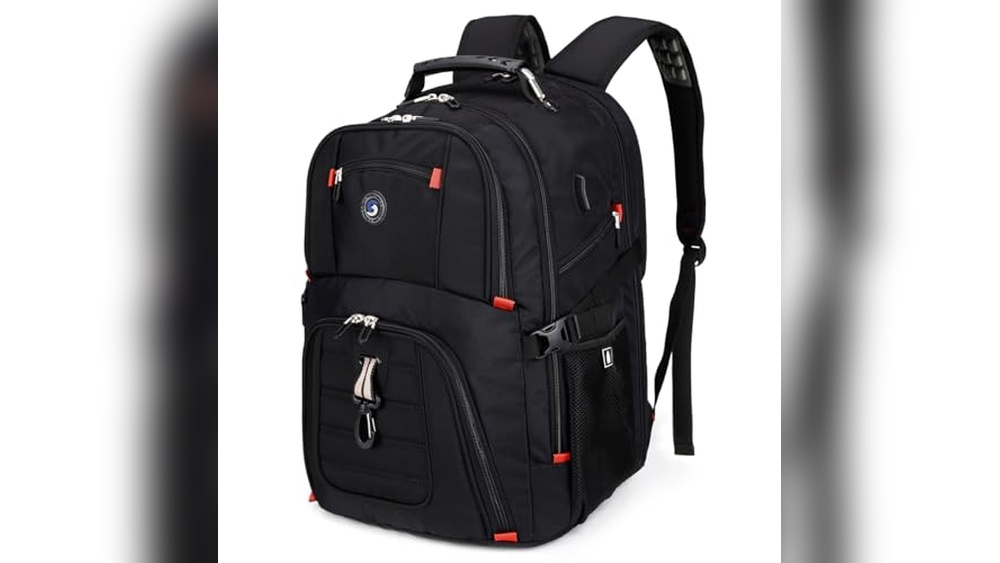
Choosing the right backpack is key to successful backpack camping. The right pack carries all essentials without adding extra bulk. It helps you move freely and stay comfortable during your trip. Focus on size, weight, and fit to find the perfect backpack.
Size And Capacity
Select a backpack size that matches your trip length. For short trips, 20 to 35 liters works well. Longer trips need 40 to 60 liters to hold more gear. Avoid packs that are too big; they tempt you to overpack. A good size keeps your load manageable and organized.
Weight Considerations
Pick a lightweight backpack to reduce strain. The pack itself should not add much weight. Look for materials like nylon or lightweight polyester. Every ounce counts when hiking long distances. A lighter pack lets you carry more supplies comfortably.
Comfort And Fit
Try on backpacks to check how they feel. Look for adjustable shoulder straps and padded hip belts. These features spread weight evenly across your body. A good fit prevents pain and fatigue on the trail. Choose a pack that moves with you, not against you.
Essential Gear Only
Packing light is key to backpack camping. Carrying only essential gear makes the trip easier and more fun. Every item must have a clear purpose. Carrying too much weight slows you down and wastes energy.
Choosing gear that serves multiple functions saves space. Small, light, and compact items keep the backpack manageable. Each piece adds value to the camping experience without extra bulk.
Multi-use Items
Multi-use items help reduce what you carry. A bandana can act as a towel, head cover, or pot holder. A knife with a built-in screwdriver or bottle opener covers many needs. A jacket that doubles as a pillow or blanket is smart. These items cut down on extra gear and weight.
Minimalist Cooking Tools
Simple cooking tools work best for backpack camping. A small stove or compact burner heats food quickly. Lightweight pots and pans fit easily in a backpack. A spork combines spoon, fork, and knife functions. Carry only what you need to cook basic meals.
Compact Shelter Options
Shelter must be light and easy to carry. A small tent or tarp provides protection from weather. Ultralight sleeping bags and mats keep you warm without bulk. Shelter gear should pack down small and weigh little. This gear helps you rest well with less load.
Clothing For Lightweight Camping
Packing clothing for lightweight camping means choosing items that save space and weight. Every piece must serve a purpose. This helps carry less and stay comfortable outdoors.
Clothing should protect from weather, keep you dry, and adjust to temperature changes. Smart choices make camping easier and more enjoyable.
Layering Strategies
Layering helps control body temperature. Start with a base layer that fits close to the skin. It moves sweat away quickly.
Add a middle layer for warmth. Fleece or lightweight wool works well. The top layer protects against wind and rain.
Layers can be added or removed easily. This keeps you comfortable throughout the day and night.
Quick-dry Fabrics
Quick-dry fabrics save time and weight. They dry faster than cotton, which holds moisture and feels heavy.
Materials like nylon and polyester wick sweat and dry in sunlight. This reduces the chance of chills from wet clothes.
Pack clothes made from these fabrics to stay fresh and dry during your trip.
Packing Smart
Choose versatile clothing that works in many situations. A long-sleeve shirt can protect from sun and bugs.
Roll clothes to save space and avoid wrinkles. Use compression bags or stuff sacks for better packing.
Limit yourself to essential items only. This keeps your backpack light and your load manageable.
Food And Hydration Tips
Carrying food and water on a backpacking trip needs smart choices. You want to eat well and stay hydrated without carrying heavy loads. Small, light meals and clean water keep energy up and backpack weight down. Here are tips to help manage food and hydration on the trail.
Lightweight Meal Choices
Choose foods that are light but full of energy. Dehydrated meals save space and weight. Nuts, dried fruits, and granola bars are easy to carry. Instant oatmeal and freeze-dried soups cook fast and taste good. Avoid heavy canned foods. Pick meals that need little cooking fuel.
Water Purification Methods
Clean water is a must for health. Carry a small water filter or purification tablets. Boiling water is simple but uses fuel and time. Filters remove dirt and bacteria. Tablets kill germs quickly. Carry a collapsible water bottle or hydration bladder. Refill from natural water sources safely.
Efficient Packing
Pack food and water gear to save space. Use resealable bags to keep food fresh and organized. Separate meals into daily portions. Keep your water purifier and bottle easy to reach. Avoid bulky containers. Use lightweight utensils and a compact stove. Plan meals to reduce waste and leftovers.
Packing Techniques
Packing for a backpack camping trip needs smart planning. The right techniques make carrying easier and keep things organized. Every item must have its place. This saves time and effort during the trip.
Efficient packing also helps reduce bulk and balance weight. These factors improve comfort and safety while hiking. The following tips explain how to pack well for backpack camping.
Organizing For Accessibility
Group items by use and importance. Keep daily essentials in outer pockets. This includes maps, snacks, and first aid kits. Store sleeping gear at the bottom. Place cooking tools near the top. This makes them easy to grab.
Use small bags or pouches inside the backpack. This prevents items from mixing and makes finding things quick.
Reducing Bulk
Choose lightweight, compact gear. Avoid packing extra or duplicate items. Roll clothes instead of folding to save space. Use compression sacks for sleeping bags and clothes. This squeezes air out and shrinks volume.
Remove unnecessary packaging from food and supplies. Every bit of saved space counts in a small backpack.
Balancing Weight
Keep heavy items close to your back. This improves stability and reduces strain. Place medium-weight items around the heavy core. Lighter items go near the outside and top.
Distribute weight evenly on both sides. Check the backpack before hiking to adjust load if needed. Balanced weight helps maintain good posture and reduces fatigue.
Safety And Navigation
Camping with just a backpack means carrying less but staying safe is key. Safety and navigation help campers find their way and avoid danger. Knowing what tools to bring and how to plan the route keeps the trip smooth and secure.
Essential Tools
Some tools are small but very important. A compass helps find direction without batteries. A map shows the area and trails clearly. A small first aid kit handles minor injuries quickly. A whistle can call for help if needed. These tools fit easily in a backpack but keep campers safe.
Lightweight Communication Devices
Phones may lose signal in the wild. Satellite messengers send messages anywhere. They weigh little and use little power. Two-way radios help talk to others nearby. These devices add safety without much weight. They keep campers connected in emergencies.
Route Planning
Planning the route before hiking saves time and energy. Study maps to know the path and landmarks. Mark water sources and rest spots. Check weather reports to avoid storms. Share the plan with someone at home. Good planning prevents getting lost or stuck.
Maintaining Comfort
Camping with just a backpack means carrying less but still staying comfortable. Comfort helps you enjoy the outdoors more. It makes sleeping, resting, and spending time outside easier. Packing smart and choosing the right gear keeps comfort high without extra weight.
Sleep Systems
A good sleep system is key to comfort. Lightweight sleeping bags with proper insulation work best. Inflatable sleeping pads add cushion and keep you off cold ground. Small pillows or stuff sacks filled with clothes can support your head. Choose compact gear that fits well in your backpack.
Weather Protection
Weather changes fast outdoors. A small, packable rain jacket or poncho keeps you dry. Lightweight tarps or rain flies protect your sleeping area from rain and wind. Breathable layers help regulate body temperature. Dressing in layers lets you add or remove clothes easily.
Keeping Clean
Staying clean feels good and prevents sickness. Pack a small towel and biodegradable soap for washing. Wet wipes are handy for quick cleanups. Store trash and food waste in sealed bags. Keeping your area tidy helps avoid attracting animals.
Frequently Asked Questions
How Do Campers Choose Essential Backpack Gear?
Campers prioritize lightweight, multi-use items to save space and weight. Essentials include a tent, sleeping bag, stove, water filter, and first aid kit. They plan carefully to balance comfort and practicality, ensuring only necessary gear fits into the backpack for easy carrying.
What Techniques Help Pack Backpacks Efficiently?
Use compression sacks and roll clothes to save space. Place heavy items close to your back for balance. Distribute weight evenly and keep frequently used items accessible. Efficient packing reduces strain and improves mobility during backpack camping trips.
How Do People Manage Food With Just A Backpack?
Campers carry lightweight, high-calorie, and non-perishable foods. They use dehydrated meals, energy bars, nuts, and dried fruits. Cooking is done with compact stoves, minimizing extra gear. Meal planning ensures enough nutrition without overpacking food supplies.
How Can One Stay Comfortable Camping With Minimal Gear?
Choose versatile clothing layers for changing weather. Use compact sleeping pads and insulated bags for warmth. Setting up a simple shelter protects against elements. Comfort comes from smart gear choices, not quantity, allowing a pleasant backpack camping experience.
Conclusion
Camping with just a backpack is about smart choices and light packing. Pick gear that serves many purposes. Carry only what you truly need. Planning meals and clothes carefully saves space and weight. This way, you stay comfortable and mobile.
Camping feels more freeing when you carry less. Try it yourself and enjoy the simple joy of backpack camping. It makes every trip easier and more fun. Keep learning and adjusting your gear for the best experience.