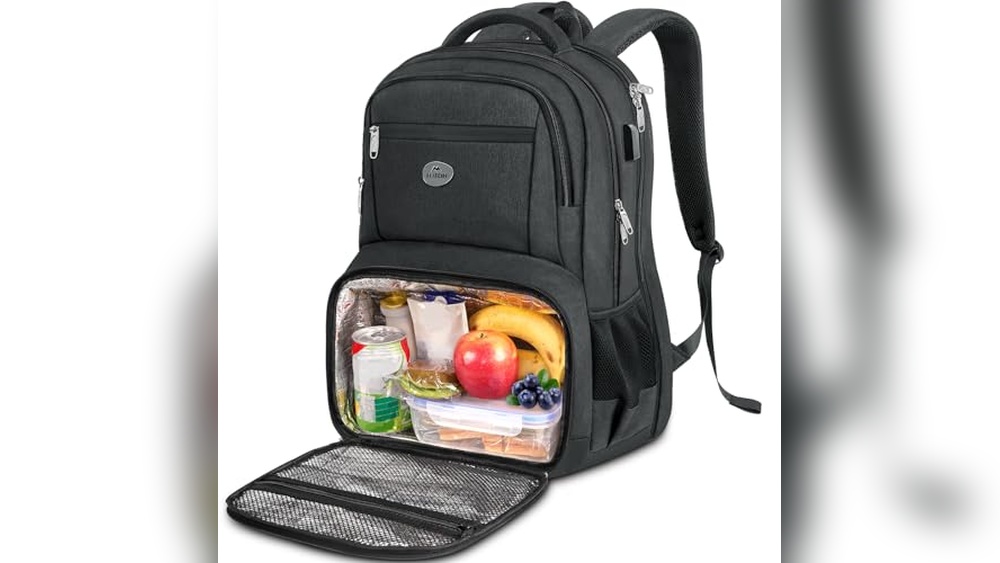
Choosing the right backpack for your trip can make all the difference between a great adventure and a struggle. You might be wondering, “How big of a backpack do I really need?” Picking a pack that’s too small means leaving behind important gear, while one that’s too big can weigh you down and slow you up.
You’ll discover exactly how to find the perfect size backpack tailored to your trip length, packing style, and comfort. Keep reading to avoid common mistakes and make your backpacking experience smooth and enjoyable from the start.
Choosing Backpack Size
Choosing the right backpack size is key for a good hiking experience. The size affects comfort, packing ease, and how long you can stay outdoors. A backpack too small limits your gear. Too big means extra weight and bulk. Understand your trip needs first. Then pick a backpack that fits your plan and body well.
Daypacks Vs Multi-day Packs
Daypacks hold gear for short trips, usually under 20 liters. They carry essentials like water, snacks, and light clothing. Multi-day packs are larger, from 40 to 70 liters. These fit sleeping bags, food, and more clothes for several days. Choose daypacks for quick hikes. Pick multi-day packs for longer adventures.
Volume Measurement Explained
Backpack size is measured in liters. This shows how much space is inside. A bigger number means more room for gear. A 15-liter pack fits a few items. A 60-liter pack holds camping gear and clothes. Think about what you carry daily. Match the volume to your gear needs for comfort.
Weight Considerations
Backpack weight affects how far and fast you can go. Heavier packs cause fatigue and strain. Keep your pack as light as possible. Use lightweight gear and pack only essentials. Try your loaded pack before trips. Adjust the size if it feels too heavy or bulky.
Backpack Sizes By Trip Length
Choosing the right backpack size depends on how long your trip will be. Different trip lengths need different backpack capacities. This helps you carry what you need without extra weight. Understanding backpack sizes by trip length makes packing easier and your trip more comfortable.
Short Day Trips
For short day trips, a small backpack works best. Backpacks with 15 to 25 liters are enough. Carry water, snacks, a jacket, and some small gear. These packs keep things light and easy to carry all day.
Weekend Getaways
Weekend trips need bigger backpacks. Choose bags between 30 and 50 liters. These hold clothes, food, and camping gear for two to three days. You get enough space without carrying too much weight.
Extended Backcountry Trips
Extended trips require the largest backpacks. Sizes between 50 and 70 liters suit multi-day or week-long adventures. These packs carry all your gear, food, and sleeping equipment. Make sure the backpack fits well to stay comfortable on long hikes.
Factors Affecting Backpack Size
Choosing the right backpack size depends on several key factors. These factors help decide how much space you need. Picking the wrong size can cause discomfort or leave you without essentials. Let’s explore what influences backpack size.
Personal Gear Needs
Your gear list shapes backpack size. Carrying just basics needs a smaller bag. Extra gear like cameras or cooking tools requires more space. Consider your gear carefully before choosing a size. Packing only what you need keeps weight down.
Climate And Weather
Weather affects what you pack and your backpack size. Cold climates need bulky clothes and sleeping bags. Rainy areas require waterproof gear and covers. Hot climates call for lighter clothing but more water. Know the weather to pack right.
Packing Style
Your packing habits change backpack size needs. Some pack tightly and efficiently. Others prefer loose packing with extra space. Rolling clothes saves space compared to folding. Choose a bag that fits your style well.
Packing Tips To Optimize Space
Packing smart helps you carry less and fit more in your backpack. Space matters a lot on the trail. Using smart packing tips can save space and reduce weight. Follow these steps to pack efficiently and keep your backpack organized.
Essential Gear Only
Bring only what you truly need. Avoid packing items you might not use. Focus on multipurpose gear to cut down bulk. Each item should serve a clear purpose. This keeps your backpack lighter and easier to carry.
Compression Techniques
Use compression bags or stuff sacks to shrink bulky items. Roll clothes tightly to remove air pockets. Compress sleeping bags and jackets to save room. These methods help fit more gear in less space.
Organizing For Accessibility
Place frequently used items on top or in easy pockets. Keep your map, snacks, and rain gear within quick reach. Use small bags to separate gear by type. This saves time and avoids unpacking everything at once.
Adjusting Backpack Fit
Adjusting your backpack fit is essential for comfort on long hikes. A well-fitted backpack reduces strain and improves balance. Proper adjustment helps carry weight evenly across your body. This section covers key steps for adjusting your backpack.
Torso Length Measurement
Measure your torso length to match the backpack size. Find the bony bump at the base of your neck. Locate the top of your hip bones. Measure the distance between these points. This length guides you in choosing the right backpack frame. A correct torso length prevents back pain and discomfort.
Hip Belt Positioning
Place the hip belt so it rests on your hip bones. The belt should wrap snugly but not tight. Your hips carry most of the pack’s weight. A well-positioned hip belt takes pressure off your shoulders. Adjust the belt until it feels stable and secure.
Strap Adjustments
Tighten the shoulder straps to bring the pack close to your body. Avoid straps that dig into your shoulders. Adjust the load lifter straps to pull the top of the pack forward. Use the sternum strap to stabilize the pack across your chest. Balanced straps improve comfort and control.
Popular Backpack Sizes And Uses
Choosing the right backpack size is key for a good trip. Backpacks come in different sizes, each made for certain activities and trip lengths. Knowing the size helps pack smart and stay comfortable. Here are popular backpack sizes and what they work best for.
20-35 Liters Packs
These packs are small and light. They fit day trips or short hikes. Perfect for carrying water, snacks, and a few extra clothes. Easy to carry and does not slow you down. Ideal for travel when you want to carry just the basics.
40-60 Liters Packs
This size works well for overnight trips or weekend adventures. Room for clothes, food, and camping gear. Many have extra pockets for better organization. Good balance between space and weight. Popular with hikers and backpackers for short to medium trips.
60+ Liters Packs
Large packs made for longer journeys. Suitable for multi-day hiking or full camping trips. Holds all essentials plus extra gear. Can carry a tent, sleeping bag, and cooking tools. Heavier but designed for comfort over long distances. Best for serious outdoor travelers who need extra space.
Tips For Trying And Buying
Choosing the right backpack size can change your trip comfort. Testing and buying the perfect pack needs care. Focus on fit, weight, and how it feels on your back. Try different styles before you buy. This helps find the best match for your trips.
Testing With Full Load
Fill the backpack with the weight you plan to carry. Walk around the store or your home. Notice how the pack feels on your shoulders and hips. Check if the straps dig into your skin. Adjust all straps to see what fits best. A fully loaded test shows real comfort and balance.
Retail Vs Online Shopping
Retail lets you try the pack and feel materials. You can ask store staff questions and get advice. Online shopping often offers more options and lower prices. Read reviews and check return policies before buying online. Choose what works best for your needs and budget.
Budget Vs Premium Models
Budget backpacks are good for light trips and beginners. They often use simpler materials and fewer features. Premium models last longer and have extra comfort features. Think about how often you will use the pack. Sometimes paying more means better support and durability.
Frequently Asked Questions
How Do I Choose The Right Backpack Size?
Choose a backpack size based on trip length and gear needed. For day trips, 20-30 liters work. Multi-day trips require 40-70 liters. Match the size to your packing style and comfort.
What Backpack Size Suits A Weekend Trip?
A 40-50 liter backpack fits most weekend trips. It holds essentials like clothes, food, and a sleeping bag. This size balances capacity and weight for easy carrying.
Can I Use A Small Backpack For Long Trips?
Small backpacks under 30 liters are usually too small for long trips. You may struggle to fit all gear. Consider larger packs with 50+ liters for multi-day adventures.
How Does Backpack Size Affect Comfort?
Backpacks too large or small cause discomfort. Proper size distributes weight evenly and reduces strain. Choose one that fits your torso length and waist size for best comfort.
Conclusion
Choosing the right backpack size depends on your trip length and gear. A small pack works for short trips or light gear. Longer trips need bigger backpacks to carry all essentials. Comfort matters, so pick a pack that fits your body well.
Remember, packing smart helps avoid carrying too much weight. Think about what you really need. The right backpack makes your adventure easier and more fun. Take your time to find the best fit for your travel style.