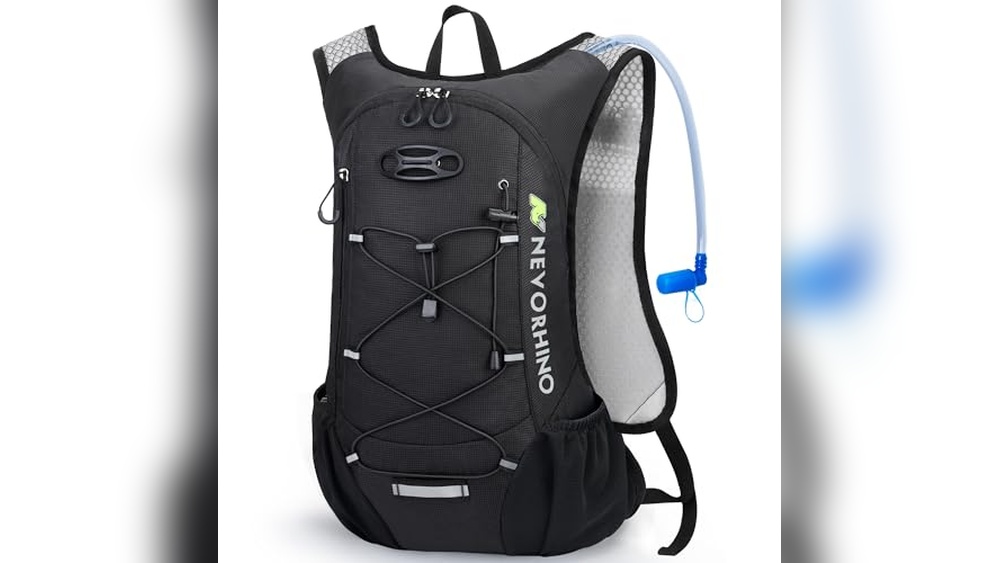
Have you ever wondered what makes a backpack comfortable to carry, even when it’s packed full? The secret often lies in the backpack frame.
Understanding how backpack frames work can change the way you choose and use your pack. It’s not just about looks or size—your frame can make a huge difference in support, balance, and ease on your back. Keep reading, and you’ll discover how these simple structures help carry heavy loads with less effort, so your next adventure feels lighter and more enjoyable.
Backpack Frame Types
Backpack frames come in three main types. Each type offers different support and comfort levels. Choosing the right frame depends on your activity and load needs.
Internal Frames
Internal frames sit inside the backpack. They are usually made of lightweight metal or plastic. These frames keep the load close to your back. This helps with balance and stability. Internal frames work well for hiking and climbing. They also allow the backpack to move with your body.
External Frames
External frames are visible on the outside of the pack. They are made of metal and provide strong support. These frames spread the weight evenly across your body. External frames are good for carrying heavy loads. They offer better ventilation between your back and the pack. This helps reduce sweating on hot days.
Frameless Backpacks
Frameless backpacks have no internal or external frame. They rely on padding and fabric for structure. These packs are very light and flexible. Frameless backpacks work well for light loads and short trips. They are easy to pack and carry. Perfect for casual use or small day hikes.
Frame Materials
Backpack frames come in different materials, each with unique features. The choice of frame material affects weight, strength, and comfort. It also impacts how well the backpack holds its shape and supports the load. Understanding these materials helps pick the right backpack for your needs.
Aluminum
Aluminum is a popular frame material. It is light and strong. Aluminum frames provide good support without adding too much weight. They resist rust and last a long time. This material works well for long hikes or heavy loads. Aluminum frames often bend but do not break easily.
Plastic And Composite
Plastic and composite frames are lightweight and flexible. They offer decent support while keeping the backpack light. These frames absorb shocks well, making them good for rough trails. Plastic frames may not be as strong as metal but are less expensive. They also resist water and rust.
Steel And Other Metals
Steel frames are very strong but heavier than aluminum. They provide excellent support for very heavy loads. Steel resists bending but can rust if not cared for. Other metals like titanium appear in high-end backpacks. Titanium is light and strong but costs more. Metal frames suit users needing maximum durability and support.
Load Distribution Principles
Load distribution is key to how backpack frames work. It helps carry heavy weight without hurting your body. A good backpack frame spreads the load evenly. This makes hiking easier and safer. Understanding the main principles can improve your comfort and balance.
Weight Transfer To Hips
Backpack frames move most weight to your hips. Your hips carry heavy loads better than your shoulders. The frame pushes the pack’s weight down to the hip belt. This reduces strain on your back and shoulders. You can walk longer without feeling tired.
Spinal Alignment
Proper load distribution keeps your spine straight. A good frame holds the pack close to your back. This helps keep your spine aligned while walking. It lowers the risk of back pain and injury. Your body stays in a natural position during movement.
Balance And Stability
Even load distribution improves your balance. The frame keeps the weight centered and steady. This helps you stay stable on rough trails or slopes. You avoid awkward movements that can cause falls. A balanced pack feels lighter and more controlled.
Adjusting The Frame For Comfort
Adjusting the frame of a backpack is key for comfort on long hikes. A well-fitted frame helps balance weight and reduces strain on your back. Small tweaks can make a big difference in how the pack feels.
Torso Length Adjustment
Every person’s torso length is different. Adjusting the frame to match your torso length ensures the pack sits right. Most backpacks have a sliding or removable back panel for this. The top of the shoulder straps should rest near your shoulders. This prevents pressure on your neck and shoulders.
Hip Belt Positioning
The hip belt carries most of the pack’s weight. It should sit on your hip bones, not your waist. Positioning the belt correctly helps transfer weight from your shoulders to your hips. Tighten the belt snugly but comfortably. This reduces back pain and improves balance.
Shoulder Strap Fit
Shoulder straps keep the pack close to your body. Adjust their length so they fit snugly but do not dig into your shoulders. The straps should support without causing discomfort. Padding on the straps adds extra comfort, especially with heavy loads. Proper fit helps keep the pack stable while you walk.
Benefits Of Framed Backpacks
Framed backpacks offer many advantages for hikers and travelers. They help carry heavy loads comfortably and protect your back during long trips. These backpacks use a built-in frame to spread weight evenly. This design improves comfort and reduces fatigue.
Enhanced Support
The frame inside the backpack gives strong support. It holds the pack’s shape and keeps it steady. This support stops the backpack from sagging or pulling on your shoulders. It makes walking easier and more stable on rough trails.
Improved Posture
Backpack frames help keep your back straight. They push the weight close to your body’s center. This balance reduces strain on your spine and muscles. Good posture helps avoid pain and injuries during long hikes.
Increased Carry Capacity
Framed backpacks can carry more gear than frameless ones. The frame handles heavy loads without bending or breaking. This lets you pack extra supplies for camping or travel. You get more space and better comfort at the same time.
Choosing The Right Frame
Choosing the right backpack frame is important for comfort and support. A good frame helps carry weight evenly and prevents pain. The right frame depends on your activities, body shape, and how much you carry. Understanding these factors makes your outdoor trips easier and more enjoyable.
Activity Type Considerations
Different activities need different frames. Hiking requires a strong, sturdy frame for long walks. Camping might need a frame with more space for gear. For climbing, a lightweight frame works best. Choose a frame that matches your outdoor activity and gear needs.
Body Shape And Size
Your body shape affects how the frame fits. Tall people may need longer frames. Shorter people need smaller frames for better support. The frame should fit your back length well. A poor fit causes discomfort and pain during use.
Backpack Weight
The weight you carry matters for frame choice. Heavy loads need a strong, rigid frame. Light loads can use flexible or no-frame backpacks. Frames help spread weight to hips and shoulders. This reduces strain and makes carrying easier.
Maintaining And Repairing Frames
Maintaining and repairing backpack frames keeps your pack strong and safe. A solid frame supports your load and makes hiking easier. Taking care of your frame helps it last longer and perform better on every trip.
Routine Inspections
Check your backpack frame regularly for any signs of damage. Look for cracks, bends, or loose screws. Test the frame by pressing and bending it gently. Make sure all parts are tight and secure. Early checks prevent bigger problems during your hike.
Common Repairs
Tighten loose screws or bolts with the right tools. Use strong tape or epoxy for small cracks. Replace worn-out straps or padding for comfort. Fix bent metal by carefully bending it back. Simple repairs save money and keep your pack ready.
When To Replace A Frame
Replace the frame if cracks are deep or metal breaks. Frames that bend easily may fail on the trail. If repairs do not hold, it is time for a new frame. A broken frame can cause injury or damage your gear.
Frequently Asked Questions
What Is The Purpose Of A Backpack Frame?
A backpack frame provides structure and support for carrying heavy loads. It distributes weight evenly, reducing strain on your back. This improves comfort and stability during hiking or travel. Frames can be internal or external, each designed for specific types of backpacks and activities.
How Do Internal Backpack Frames Work?
Internal frames are built into the backpack’s fabric. They contour to your back, offering close contact and better balance. This design helps keep the load stable and reduces pressure points. Internal frames are popular for hiking because they allow more flexibility and ease of movement.
Why Choose An External Backpack Frame?
External frames sit outside the pack, allowing better airflow between you and the pack. They provide strong support for heavy or bulky loads. External frames are ideal for carrying large camping gear or irregularly shaped items. They also make it easier to attach extra equipment.
Can Backpack Frames Prevent Back Injuries?
Yes, backpack frames help prevent back injuries by distributing weight evenly. They reduce muscle strain and improve posture while carrying heavy loads. Properly adjusted frames minimize pressure points and increase comfort. This makes long hikes or travel less tiring and safer for your back.
Conclusion
Backpack frames help carry weight evenly on your back. They keep your load stable and balanced. This reduces strain and makes hiking easier. Different frames suit different needs and backpacks. Choosing the right frame improves comfort and support. Understanding how frames work helps you pick better gear.
A good frame makes your outdoor trips more enjoyable. Keep these points in mind when selecting backpacks. Your back will thank you on every adventure.